
Are Dental Implants Pain-Free? What to Expect
21 September 2026 | Cosmetic Dentistry, Dental Technology, General Dentistry
Searching for pain free dental implants usually means you want a clear answer about comfort, not a sales phrase. The honest answer is that dental implant treatment is planned with anaesthetic and pain management, but no dentist should promise that it will be free of discomfort for every person. You may feel pressure or vibration during placement, then soreness, swelling or tenderness as the area heals. A dental examination is needed to assess what is likely in your situation.
A realistic answer about implant discomfort
A dental implant is a small fixture, commonly made from titanium, that is placed into the jawbone to support a replacement tooth, bridge or denture. Because implant placement is a surgical procedure, comfort depends on several factors, including the number of implants, whether bone grafting is needed, your general health, your anxiety levels and how your body heals.
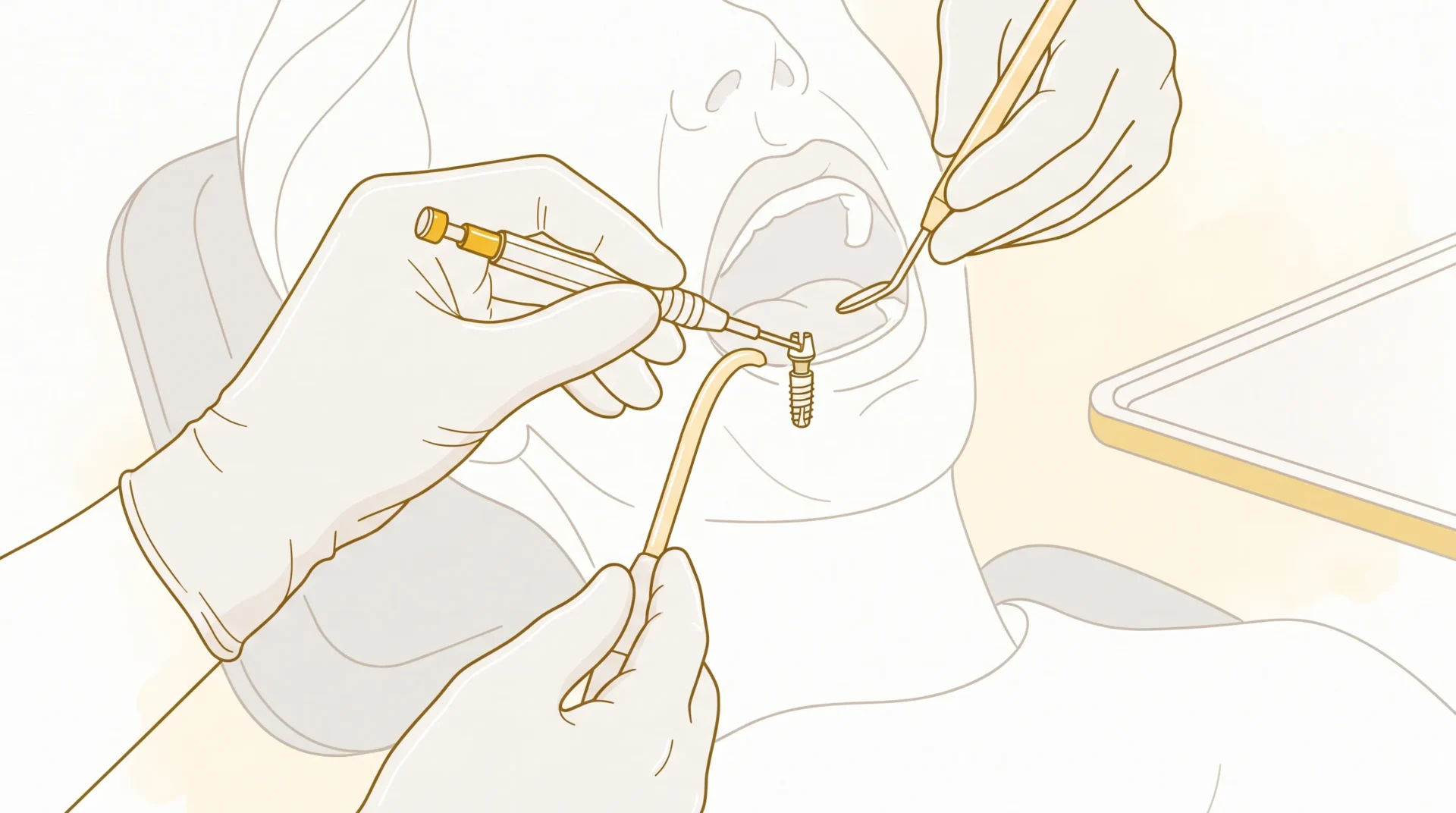
During the procedure, the area is usually numbed with local anaesthetic. Healthdirect explains that local anaesthesia is used to numb a specific part of the body so a procedure can be performed in that area. This means many patients do not feel sharp pain during placement, although they may feel pressure, movement or vibration.
After the anaesthetic wears off, some discomfort is common. Your dentist may discuss suitable pain relief, home care and what to expect over the next few days. Experiences vary, so it is worth having a direct conversation before treatment rather than relying on general descriptions online.
What pain free dental implants can and cannot mean
The phrase can be misleading if it is read as a promise. In Australian health advertising, dental care should be described accurately and should not imply that an invasive procedure has no risk or discomfort for everyone.
A safer way to think about pain free dental implants is controlled, planned and monitored comfort care. That means your dentist assesses your mouth, explains the procedure, uses appropriate anaesthetic and gives you instructions for recovery. It also means you should be able to raise your hand or signal if you feel discomfort during treatment so the dentist can check the area, pause or adjust the anaesthetic if clinically appropriate.
It is also helpful to separate the treatment visit from the recovery period. Numbing helps during the appointment, but healing still involves your body responding to surgery. Tender gums, mild bruising or swelling can occur, particularly when treatment is more complex. These symptoms should be discussed during your consultation so you have realistic expectations.
For a broader overview of the stages involved, Geelong Dental Centre has a guide to dental implant treatment from consultation to aftercare.
What you may feel before, during and after treatment
A discussion about pain free dental implants should cover each part of the process, from numbing through to healing. The details differ between patients, but the following table gives a general idea of what may be involved.
| Stage | What you may notice | How comfort is commonly managed |
|---|---|---|
| Consultation | No procedure is usually performed unless planned | Assessment, X-rays or scans, discussion of medical history and options |
| Local anaesthetic | A brief sting or pressure from the injection may be felt | Numbing gel may sometimes be used first, depending on the situation |
| Implant placement | Pressure, vibration or movement may be noticed | Local anaesthetic is used and the dentist monitors your comfort |
| First few days | Soreness, swelling, tenderness or bruising can occur | Pain relief, cold packs if advised, soft foods and aftercare instructions |
| Healing period | The area should gradually settle, but healing varies | Review appointments and oral hygiene guidance support recovery |
This is general information only. If your treatment involves multiple implants, tooth removal, bone grafting or a full-arch option, your dentist can explain how that may change the appointment length, recovery and possible discomfort.
Factors that can affect comfort and recovery
The experience of pain free dental implants can differ from person to person because implant treatment is not one single procedure. A simple single implant in a healthy mouth may feel quite different from treatment that involves infection management, several implants or grafting.
Factors that may influence discomfort include:
- The number and location of implants
- Whether a tooth needs to be removed first
- Whether bone grafting or sinus-related planning is required
- Gum health and the presence of active infection
- Smoking or vaping, which can affect healing
- Medical conditions such as diabetes or immune system concerns
- Medicines that affect bleeding or healing
- Your previous dental experiences and anxiety levels
Your dentist should ask about your medical history and current medicines before recommending treatment. This is not just a formality. Some health conditions or medicines may change the safest approach, the timing of care or whether another dental option should be considered first.
How planning may make the experience easier to manage
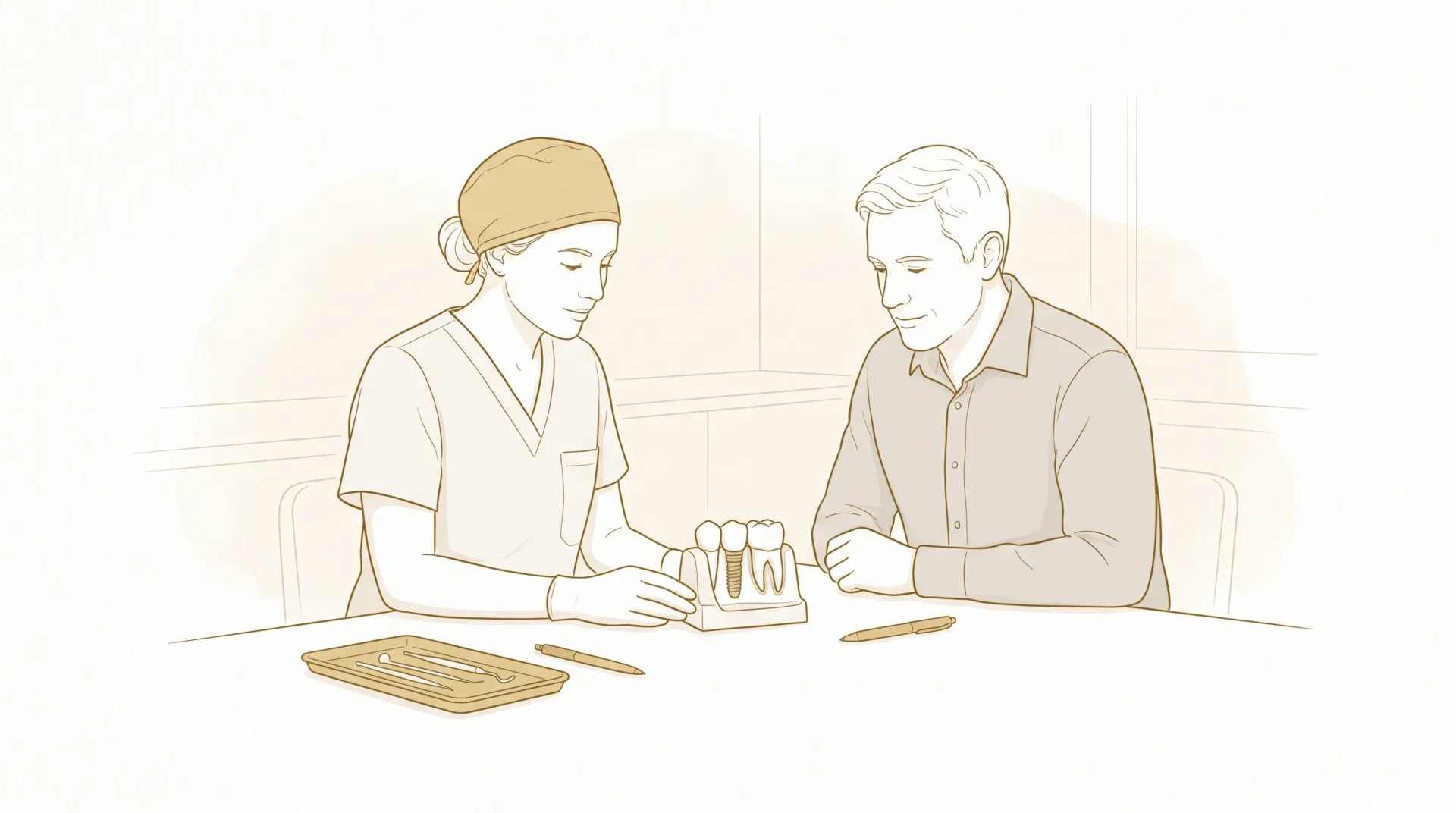
If you ask about pain free dental implants at a consultation, the most useful answer will usually come after an examination. Your dentist may check your gums, bite, jawbone volume, remaining teeth and general oral health. They may also recommend imaging to understand the bone and nearby structures.
The Australian Dental Association website Teeth.org.au provides patient information on dental implants, including the role implants may play in replacing missing teeth. Your own suitability still needs to be assessed clinically because dental implants are not appropriate for every patient.
Before treatment, it can help to ask about:
- What type of anaesthetic or comfort measures may be suitable
- What sensations are normal during the appointment
- What you should do if you feel pain during treatment
- What level of soreness may be expected afterwards
- What risks, alternatives and aftercare steps apply to you
- Who to contact if your symptoms feel unusual after the procedure
Geelong Dental Centre has a separate guide on what to ask at a dental implant consultation if you would like to prepare questions before your appointment.
Recovery and aftercare after implant placement
Searches for pain free dental implants often focus on the treatment day, but aftercare has a major influence on comfort during recovery. Your dentist will give instructions based on your procedure. These may include advice about eating, cleaning around the area, avoiding smoking, taking medicines as directed and returning for review appointments.
For the first 24-72 hours, soft foods may be more comfortable. It is usually sensible to avoid chewing directly on the treated area until your dentist advises otherwise. If a temporary tooth or restoration is fitted, you should follow the instructions given for that specific restoration because biting forces can affect healing.
Good oral hygiene is also important, but you may need to clean the area gently at first. Do not start mouth rinses, gels or medicines unless they have been recommended for you, especially if you have other medical conditions or take regular medication.
All dental procedures carry potential benefits and risks. With implant treatment, risks can include infection, bleeding, delayed healing, gum recession, implant failure, damage to nearby teeth, nerve injury or sinus-related complications in some upper jaw cases. Your dentist can explain which risks are relevant to your anatomy and treatment plan.
When discomfort may need prompt advice
A conversation about pain free dental implants should also cover what is not expected. Some tenderness after implant placement can be part of normal healing, but symptoms that worsen or feel unusual should be checked.
Contact your dentist promptly if you notice:
- Pain that is severe, increasing or not settling with recommended care
- Swelling that is spreading or affecting breathing or swallowing
- Ongoing bleeding that does not improve with the instructions provided
- Fever, pus or an unpleasant taste that persists
- Numbness, tingling or altered sensation that does not improve
- A temporary tooth, healing cap or implant component that feels loose
If you are unsure whether a symptom is normal, it is reasonable to call the clinic that provided your care. If you have severe symptoms outside dental hours, seek urgent medical or dental advice through an appropriate local service.
Comparing implants with other options
Dental implants are one option for replacing missing teeth. They may be considered alongside bridges, partial dentures, full dentures or no immediate replacement, depending on your oral health, budget, goals, medical history and the condition of nearby teeth.
If comfort is one of your main concerns, compare the whole process rather than only the procedure day. Dentures do not involve implant surgery, but they have their own adjustment period, maintenance needs and limitations. Bridges may avoid implant placement, but they may involve preparing adjacent teeth. Your dentist can explain the benefits, limitations and risks of each option after assessing your mouth.
For a more detailed comparison, you may find Geelong Dental Centre's article on dental implants or dentures useful.
Frequently asked questions
Are dental implants pain free? Dental implant placement is usually planned with local anaesthetic and pain control, but it should not be promised as painless for every person. Some patients mainly notice pressure during treatment and soreness afterwards, but experiences vary.
Are pain free dental implants possible with sedation? Sedation may be suitable for some patients, particularly those with significant anxiety or more complex treatment needs, but it is not appropriate for everyone. Your dentist can discuss whether any additional comfort measures may be suitable for your health, treatment plan and preferences.
How long does soreness last after implant placement? Soreness often improves over the first several days, but recovery varies depending on the procedure and your individual healing. If pain worsens, does not settle or is accompanied by swelling, fever, pus or bleeding, contact your dentist.
What should I do if I feel pain during the procedure? Let the dentist know immediately. You can usually agree on a hand signal before treatment begins. The dentist can pause, check the area and decide whether more anaesthetic or another step is appropriate.
Is implant treatment suitable if I am nervous about dental visits? Dental anxiety is common and should be discussed before treatment. Your dentist can explain the appointment, answer questions, discuss comfort options and help you decide whether implant treatment feels manageable for you.
Discuss dental implant comfort in Geelong
If you are considering dental implants and want a realistic conversation about comfort, recovery and suitability, a dental examination can help clarify your options. The team at Geelong Dental Centre can assess your oral health, explain the potential benefits, risks and alternatives and discuss what the treatment process may involve for your circumstances.
For patients in Geelong and nearby areas such as Newtown, Geelong West, East Geelong, Belmont and Highton, you can contact Geelong Dental Centre to arrange an assessment and ask questions before making a decision.
Disclaimer
The information provided on this website is for general informational and educational purposes only. It is not intended to replace professional dental advice, diagnosis or treatment. Dental needs and treatment outcomes vary between individuals. Always seek advice from a qualified dental practitioner regarding your specific circumstances before making decisions about your oral health or treatment. A consultation and clinical assessment are required to determine which treatment options may be suitable for you. All dental procedures carry potential risks and benefits, which will be discussed with you before treatment.