
When Might You Need a Dental Crown?
21 September 2026 | Crowns, General Dentistry, Tooth Decay
A dental crown may be recommended when a tooth has lost too much strength or structure for a filling to predictably support it. If you have searched for 'dentist near me that do crowns', you are likely trying to work out whether a damaged, cracked, heavily filled or root-filled tooth needs assessment. A crown is not always the answer, but it can be one option when a tooth needs more coverage than a standard filling can provide.
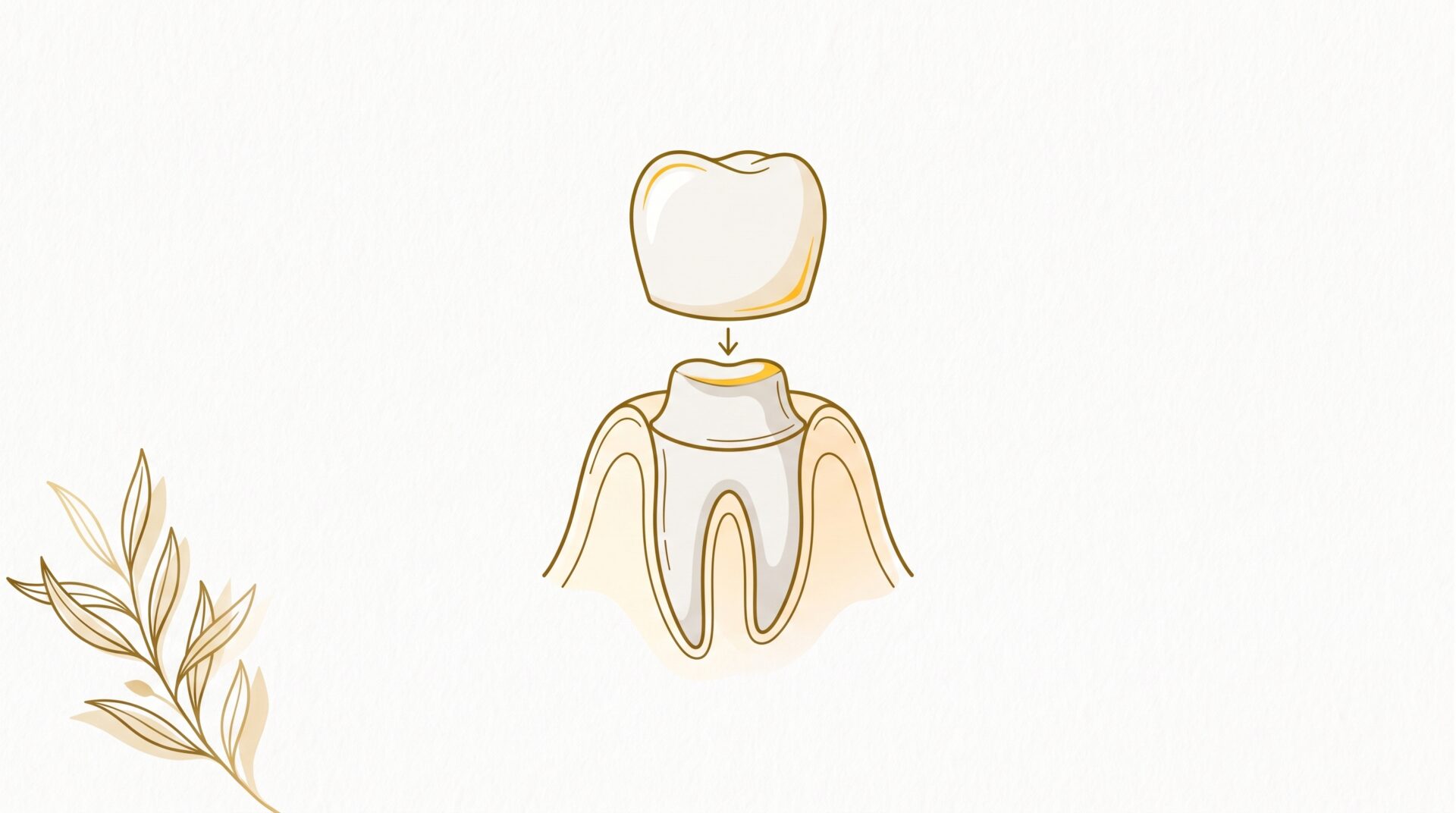
In everyday terms, a crown is a custom-made cover that fits over the visible part of a tooth. It is designed to help restore shape, function and appearance, depending on the tooth and the reason for treatment. Crowns are used in general, restorative, cosmetic and implant dentistry, but suitability depends on your oral health, bite, tooth structure, medical history and treatment goals.
Searching for a dentist near me that do crowns? Start with an assessment
A search for 'dentist near me that do crowns' often begins after something has changed, such as a broken tooth, new pain when chewing or a dentist mentioning that an older filling is starting to fail. The first step is not choosing the crown material or shade. It is finding out what is happening with the tooth.
During an assessment, your dentist may examine the tooth, check your bite, assess the gums, discuss symptoms and take an X-ray if clinically appropriate. This helps determine whether the tooth is restorable and whether a crown, filling, onlay, root canal treatment, extraction or monitoring may be suitable.
For general information about routine dental examinations, Geelong Dental Centre has a helpful guide to what a dental check-up and clean usually includes. A crown discussion may happen during a routine visit or after a specific concern, such as a cracked tooth or a large broken filling.
What does a dental crown actually do?
A dental crown covers the visible part of a tooth above the gumline. It may help hold remaining tooth structure together, rebuild a broken or heavily worn tooth, improve the shape of a tooth or form the visible tooth portion on top of a dental implant.
Crowns can be made from different materials. Common options include ceramic, zirconia, porcelain fused to metal and metal alloys. Each has different considerations for strength, appearance, tooth preparation and cost. Your dentist can explain which options may be appropriate for the tooth being treated.
| Crown situation | Why a crown may be considered | Other options that may be discussed |
|---|---|---|
| Large broken filling | Remaining tooth may be too weak for another filling | Larger filling, onlay or extraction if unrestorable |
| Cracked tooth | A crown may help support the tooth, depending on crack type | Monitoring, filling, root canal treatment or extraction |
| After root canal treatment | Some back teeth may need cuspal coverage due to reduced strength | Filling or onlay, depending on tooth structure |
| Severely worn tooth | A crown may help restore height and shape | Composite build-up, bite management or monitoring |
| Dental implant restoration | A crown can form the visible tooth on an implant | Denture or bridge, depending on the case |
Common reasons a crown may be recommended
One common reason people search for 'dentist near me that do crowns' is because a tooth has cracked or chipped. Small chips may only need smoothing or a filling, but deeper cracks can affect the way chewing forces travel through the tooth. Some cracks are straightforward to manage, while others may extend below the gum or into the nerve space, which can change the treatment options.
A crown may also be discussed when a tooth already has a very large filling. Fillings can work well when enough healthy tooth remains, but if the filling makes up most of the tooth, the remaining walls can be more vulnerable to fracture. A crown may help distribute biting forces more evenly, although no restoration can remove all future risk.
Teeth that have had root canal treatment may also need crowns, particularly molars and premolars used for heavy chewing. Root canal treatment removes infected or inflamed tissue from inside the tooth, but the tooth may already be structurally weakened by decay, cracks or old fillings. The Australian Dental Association public oral health site provides patient information about common dental treatments and oral health topics.
Crowns may also be part of implant treatment. In this situation, the crown is not placed over a natural tooth. It is attached to a dental implant via a connector called an abutment. If you are comparing replacement options for a missing tooth, this overview of dental implants or dentures may be useful before discussing individual suitability.
Symptoms that should not be ignored
Not every tooth that needs a crown is painful. Some teeth look and feel normal until a filling breaks or a crack worsens. Other times, symptoms suggest the tooth or surrounding tissues need prompt assessment.
Consider arranging a dental appointment if you notice:
- Pain when biting or releasing your bite
- A visible crack, chip or broken filling
- Sharp edges cutting the tongue or cheek
- Sensitivity that lingers after cold, heat or sweet foods
- Swelling, a pimple on the gum or a bad taste
- A tooth that feels loose or higher than the others
- A crown or temporary crown that has come off
Tooth decay is a common reason teeth lose structure. Better Health Channel explains that tooth decay develops when plaque bacteria produce acids that damage tooth enamel. If decay reaches deeper layers, treatment can become more involved, which is why assessment is worthwhile when symptoms appear.
If you are unsure whether symptoms need attention, Geelong Dental Centre has guidance on when you should book a dental appointment, including signs such as swelling, broken teeth and ongoing toothache.
What usually happens if a crown is being considered?
When someone searches for 'dentist near me that do crowns', they may be wondering whether the process is complicated. The steps depend on the tooth, the material chosen and whether other treatment is needed first. A typical crown pathway may include assessment, planning, tooth preparation, a temporary crown and final crown fitting.
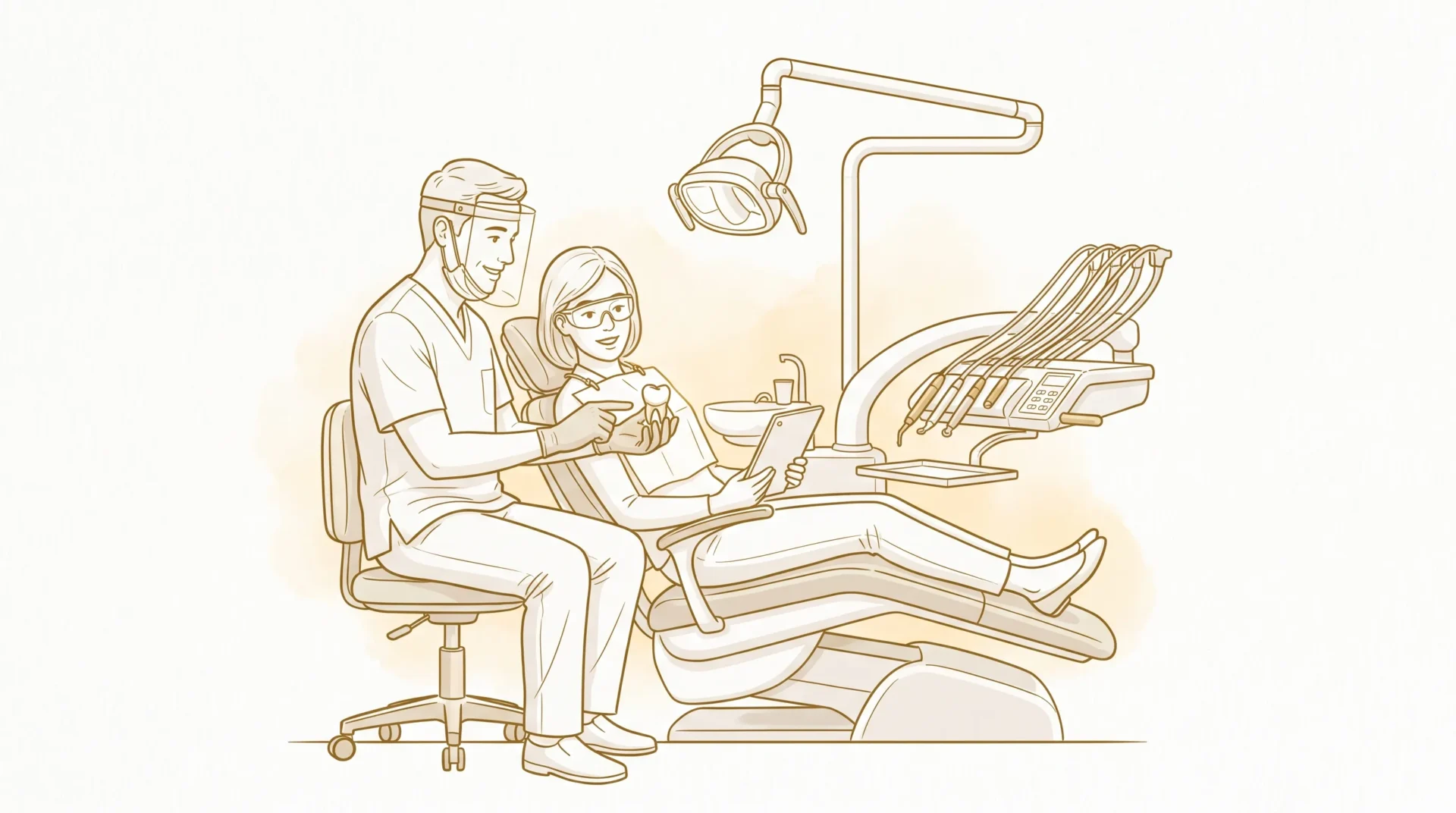
At the first appointment, your dentist examines the tooth and explains the findings. If a crown is suitable, they should also discuss reasonable alternatives, likely fees, expected appointments, maintenance and risks. If decay, infection or gum disease is present, those issues may need to be managed before or alongside crown treatment.
To prepare a tooth for a crown, the dentist reshapes the tooth so the crown can fit over it. This removes some tooth structure, which is why crowns are generally recommended when the expected benefit outweighs the loss of tooth tissue. An impression or digital scan may then be taken so the crown can be made to fit your tooth and bite.
A temporary crown may be placed while the final crown is being made. Temporary crowns are usually not as strong as final crowns, so your dentist may suggest avoiding very sticky or hard foods on that side until the final crown is fitted. At the fitting visit, the dentist checks the crown shape, contact with neighbouring teeth, bite and appearance before cementing or bonding it in place.
Benefits, limitations and risks to understand
A crown may help restore a tooth that has been weakened by decay, cracks, wear or a large filling. It may improve chewing comfort if the tooth was previously sharp, broken or uneven, although treatment outcomes vary. Crowns can also be used to improve the appearance of a tooth when colour, shape or surface damage cannot be managed more conservatively.
There are also limitations. A crowned tooth can still develop decay around the edges if plaque builds up. Gum inflammation can occur if cleaning is difficult or if the crown margin is irritated. Some teeth become sensitive after preparation. Occasionally, a tooth may later need root canal treatment, crown repair or crown replacement.
All dental procedures carry potential risks and benefits. A crown is not permanent in the sense that it lasts forever. Its lifespan depends on oral hygiene, bite forces, grinding or clenching, diet, material choice, the health of the underlying tooth and regular dental care. If you grind your teeth, your dentist may discuss bite management or a night guard, depending on your circumstances.
Crown, filling, onlay or veneer: how are they different?
Another reason people search for 'dentist near me that do crowns' is uncertainty about whether a crown is more than they need. Conservative treatment is usually considered where suitable because preserving healthy tooth structure is valuable.
A filling repairs a smaller area of missing tooth structure. An onlay is a partial coverage restoration that can protect one or more cusps, which are the raised biting points of back teeth. A crown covers more of the tooth. A veneer covers the front surface of a tooth and is usually discussed for selected cosmetic concerns, mostly in front teeth.
The right option depends on how much tooth remains, where the crack or decay is located, how the tooth contacts the opposing teeth and whether the nerve inside the tooth is healthy. Cost, maintenance, aesthetics and the amount of tooth preparation also matter.
Questions to ask before agreeing to a crown
A clear conversation can help you make an informed decision. You do not need to know dental terminology before the appointment. Your dentist should explain the situation in plain language and give you time to consider your options.
Useful questions include:
- Why may a crown be suitable for this tooth?
- Are there more conservative options, such as a filling or onlay?
- What are the risks if I delay treatment or monitor the tooth?
- Does the tooth need root canal treatment first?
- What crown materials are suitable for this tooth and why?
- What should I expect while wearing a temporary crown?
- How do I care for the crown at home?
If a tooth cannot be predictably restored, your dentist may discuss extraction and replacement options. These may include a denture, bridge or implant, depending on your oral health and preferences. No single option suits everyone.
Finding crown care in Geelong
If you are in Geelong, Newtown, Geelong West, East Geelong, Belmont, Highton or nearby areas, it can be useful to choose a dental clinic that explains restorative options clearly and allows time for questions. Geelong Dental Centre provides general, cosmetic and implant dentistry, including assessment of teeth that may need restoration.
A local search for 'dentist near me that do crowns' can help you find nearby clinics, but location is only one part of the decision. It is also reasonable to ask about the assessment process, available treatment options, fees, appointment timing and what happens if symptoms change before the crown is fitted.
A dental examination can help determine the cause of your symptoms and which options may be appropriate. To discuss a damaged, cracked, heavily filled or root-filled tooth, you can book an appointment with the team at Geelong Dental Centre in Geelong.
Frequently Asked Questions
Do I definitely need a crown if my tooth is cracked? Not always. Some cracks can be monitored or restored with a filling or onlay, while others may need a crown, root canal treatment or extraction. A clinical assessment is needed to understand the type, depth and direction of the crack.
Is getting a crown painful? Your dentist will usually use local anaesthetic when preparing a tooth for a crown. Some people experience sensitivity or tenderness afterwards, and experiences vary. If you are anxious or have had difficult dental visits before, mention this during your appointment.
How long does a dental crown last? Crown longevity varies between patients. Oral hygiene, biting forces, grinding, diet, crown material and the condition of the underlying tooth can all affect how long a crown remains serviceable.
Can a crown get decay underneath it? Yes. The crown material itself does not decay, but the natural tooth at the crown edge can still develop decay. Brushing, interdental cleaning and regular dental checks help monitor the crown and surrounding gums.
Can I whiten a crowned tooth? Whitening products do not change the colour of crown materials in the same way they can lighten natural teeth. If tooth colour is a concern, discuss timing and shade selection with your dentist before crown treatment.
What should I do if my crown falls off? Keep the crown if you can and arrange a dental appointment. Avoid chewing on that tooth until it is assessed. Do not use household glue, as this may damage the tooth or surrounding tissues.
How do I choose a dentist near me that do crowns? Look for a dentist who assesses the tooth properly, explains the reason for recommending a crown, discusses alternatives and outlines risks, costs and maintenance. Your decision should be based on suitability for your individual situation, not just the nearest appointment time.
Disclaimer
The information provided on this website is for general informational and educational purposes only. It is not intended to replace professional dental advice, diagnosis or treatment. Dental needs and treatment outcomes vary between individuals. Always seek advice from a qualified dental practitioner regarding your specific circumstances before making decisions about your oral health or treatment. A consultation and clinical assessment are required to determine which treatment options may be suitable for you. All dental procedures carry potential risks and benefits, which will be discussed with you before treatment.