Dental Care Considerations for Older Adults in Geelong
23 September 2026 | General Dentistry, Preventative Dentistry, Tooth Decay
If you have searched for dentists for seniors near me, you may be looking for dental care in Geelong that takes age-related oral health changes, medical history, mobility and comfort into account. Older adults often have different dental needs from younger adults, especially when they take regular medication, wear dentures, have existing crowns or bridges, or live with health conditions that can affect the mouth.
Dental care later in life is not only about treating problems when they appear. It can also involve preventing avoidable issues, keeping existing teeth and restorations stable where possible, and making practical choices that suit the person’s health, preferences and budget. A dental examination is the right starting point because suitability for any treatment depends on an individual assessment.
Why dental care can change as we get older
Age alone does not mean tooth loss is inevitable. Many older adults keep their natural teeth for life. However, the mouth can become more vulnerable to certain problems over time, particularly when several risk factors occur together.
A search for dentists for seniors near me is often prompted by a change: a broken filling, sore gums, loose denture, dry mouth, tooth sensitivity or difficulty chewing. Sometimes the concern is practical rather than clinical, such as needing clear fee information, shorter appointments, help understanding treatment options or a dentist who can work respectfully with a carer or family member.
The most helpful dental care for older adults is usually the care that considers the whole person. That includes teeth and gums, but also general health, medications, manual dexterity, transport, anxiety, hearing, vision and the person’s own treatment goals.
Medication, dry mouth and decay risk
Dry mouth, also called xerostomia, can occur when the salivary glands do not produce enough saliva or when saliva feels thick and sticky. It can be linked with some medicines, medical conditions, dehydration, mouth breathing and some cancer treatments. Saliva helps wash away food particles and neutralise acids, so a dry mouth can increase the risk of tooth decay, mouth ulcers, bad breath and denture discomfort.
The Australian Dental Association’s patient resource, Teeth.org.au, provides general oral health information for Australians, including common dental conditions and home care advice. If dry mouth is ongoing, it is worth raising with both a dentist and GP, especially if medication may be contributing.
Gum health and medical conditions
Gum disease can range from inflamed gums that bleed during brushing to more advanced disease affecting the bone that supports the teeth. Older adults may be more likely to have gum issues if they have a history of smoking, find cleaning difficult, live with diabetes or have not had regular dental care for some time.
Gums can also recede, which exposes the tooth root. Exposed roots can be sensitive and may decay more easily than enamel. A dentist can check gum measurements, bleeding points and tooth mobility, then explain what treatment or maintenance may be appropriate.
Existing dental work, dentures and implants
Many older adults have dental work completed over decades, such as fillings, crowns, bridges, implants, root canal treated teeth or dentures. These restorations can last for many years, but they still need review. Materials can wear, margins can become harder to clean, and dentures may loosen as the mouth changes shape.
A dental visit is also an opportunity to check how well someone can chew, speak and clean around existing dental work. For people with implants, ongoing maintenance is important because the gums and supporting tissues around implants still need monitoring.
What to look for when searching dentists for seniors near me
When you are comparing dental clinics in Geelong, Newtown, Geelong West, East Geelong, Belmont, Highton or nearby areas, it can help to look beyond distance alone. Convenience matters, but so do communication, treatment planning and practical access.
If your search for dentists for seniors near me is really about finding someone suitable for ongoing care, consider whether the clinic can explain findings in plain language, provide written treatment options when needed and discuss fees before treatment begins. Older adults should feel able to ask questions without feeling rushed or embarrassed.
The following points may help you prepare for a first appointment.
| Consideration | Why it matters | Helpful question to ask |
|---|---|---|
| Medical history | Some conditions and medicines affect dental care choices | Should I bring a medication list? |
| Mobility and access | Getting in and out of appointments can affect attendance | What should I know before arriving? |
| Communication | Clear explanations support informed decisions | Can treatment options be provided in writing? |
| Dentures or implants | Existing appliances and restorations need review | How often should these be checked? |
| Fees and timing | Costs and appointment length vary by treatment | Can I receive an estimate before treatment? |
Clear communication and treatment planning
Good dental communication means more than naming a problem. It includes explaining what was found, whether treatment is needed now or can be monitored, what alternatives may exist and what could happen if treatment is delayed. This matters because older adults may have different priorities, such as maintaining comfort, eating more easily, repairing a single tooth or avoiding complex treatment where possible.
For a broader overview of choosing ongoing care locally, Geelong Dental Centre has a guide on how to choose a local dentist for ongoing dental care. It covers practical factors such as location, availability, communication and fees.
Practical access, comfort and appointment timing
Some older adults prefer morning appointments, shorter visits or extra time to move between the waiting area and dental chair. Others may need to bring a carer, support person or list of questions. If memory, hearing or vision makes appointments harder, it can be useful to tell the clinic when booking so the team can plan the visit appropriately.
Dental anxiety can also affect older adults, including those who had difficult experiences many years ago. Dentists can discuss ways to make appointments more manageable, although experiences vary and no dental procedure can be described as completely risk-free or guaranteed to be free of discomfort.
Common appointment checks for older adults
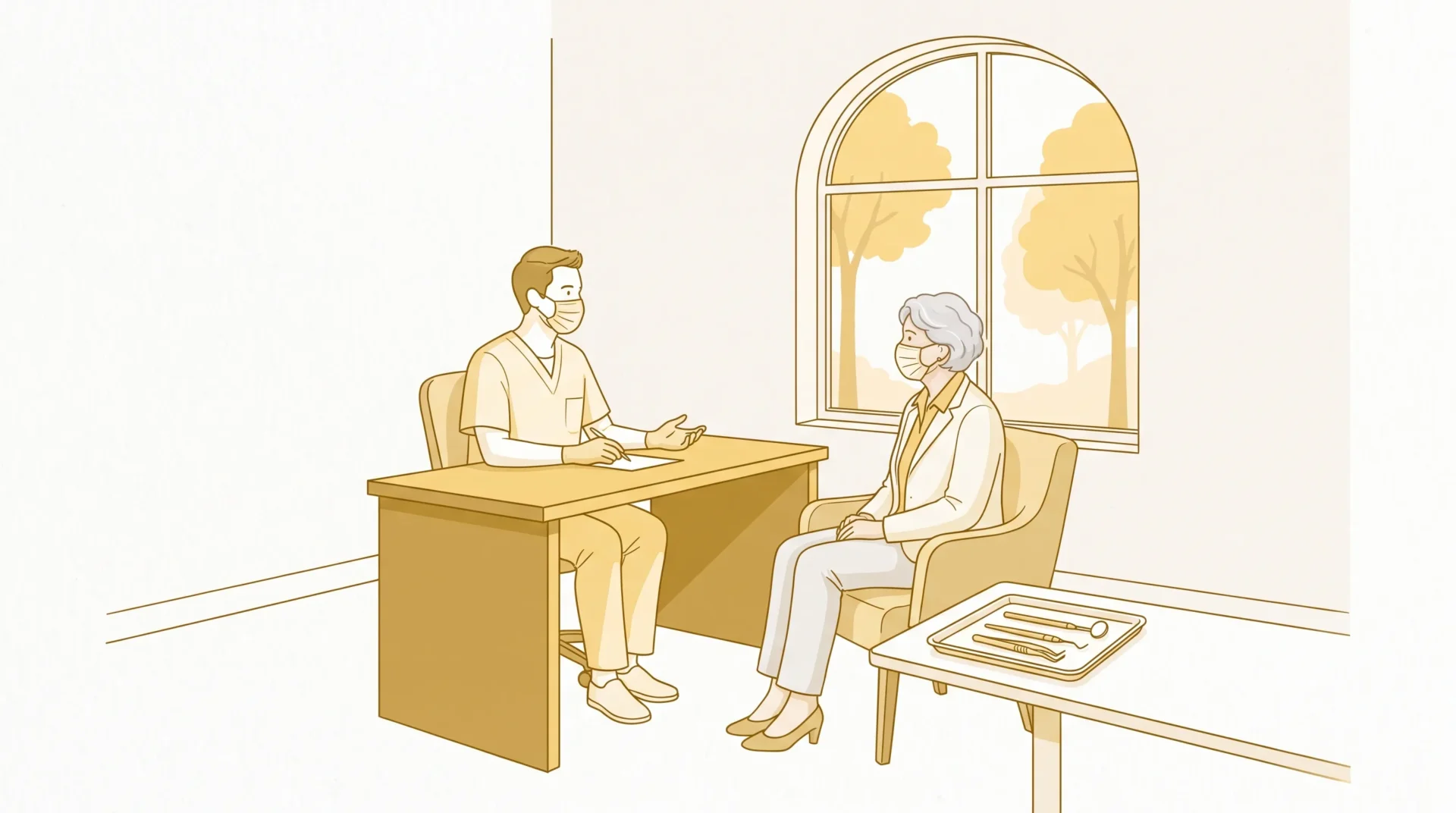
A dental appointment for an older adult may include many of the same checks as any routine visit, with extra attention to risk factors that become more common later in life. For example, the dentist may ask about medications, dry mouth, chewing difficulties, changes in speech, ulcers, jaw discomfort or problems wearing dentures.
If you are unsure what routine care can include, this article on dental services that may be part of your routine care explains examinations, cleaning, gum assessments, X-rays, fluoride advice and treatment planning in more detail.
Oral cancer screening and soft tissue checks
Dentists routinely look at more than teeth. They also check the tongue, lips, cheeks, palate, floor of the mouth and throat area for changes. Most mouth changes are not cancer, but a non-healing ulcer, red or white patch, lump, unexplained bleeding, numbness or difficulty swallowing should be assessed promptly by a health professional.
Smoking and heavy alcohol use can increase oral cancer risk. Anyone concerned about mouth changes should not wait for a routine appointment if symptoms are persistent or worsening.
X-rays and gum measurements
Dental X-rays may be recommended when a dentist needs information that cannot be seen directly, such as decay between teeth, bone levels, infection near tooth roots or the position of unerupted or impacted teeth. X-rays are not required for every person at every visit, and the decision should be based on clinical need.
Gum measurements may also be taken using a small measuring instrument. This helps identify pockets around teeth, gum inflammation and areas that are difficult to clean. If gum disease is present, the dentist can explain whether professional cleaning, periodontal maintenance or referral may be appropriate.
Home care tips that respect ageing hands, mouths and routines
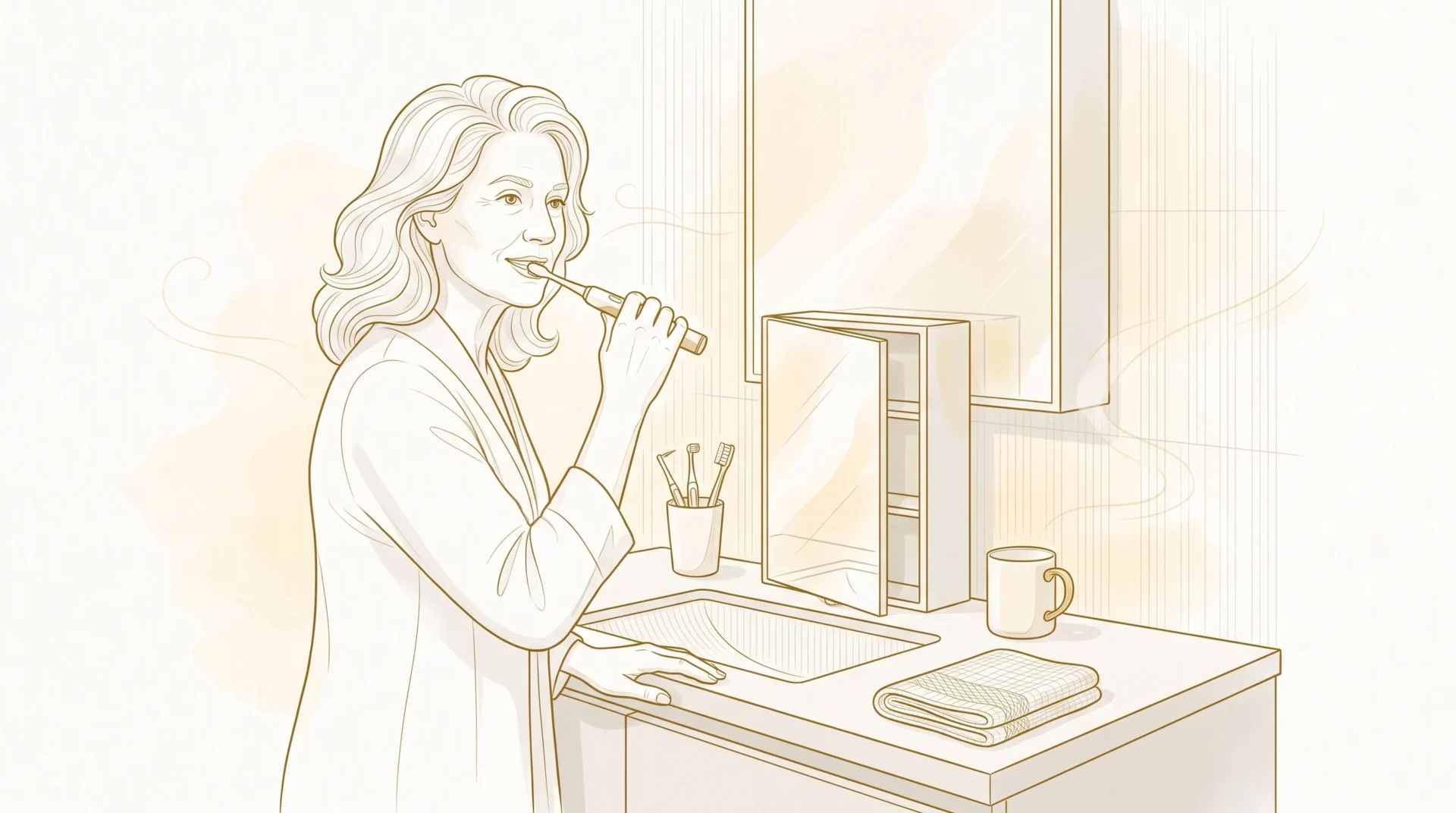
Home care advice should be realistic. If arthritis, tremor, reduced grip strength or fatigue makes brushing difficult, telling the dentist is useful. The goal is not to blame the person for struggling, but to find a routine that is easier to maintain.
Healthdirect provides general Australian information about dental care, including the role of regular check-ups and oral hygiene. For many older adults, small adjustments can make daily care more manageable.
Making brushing and cleaning between teeth easier
A toothbrush with a larger handle, an electric toothbrush or a modified grip may help some people clean more effectively. Interdental brushes can be easier than floss for people with spaces between teeth, bridges or limited hand movement. Fluoride toothpaste is generally recommended for adults, but a dentist can advise if a higher fluoride product may be appropriate for someone at higher decay risk.
Mouthwash is not a substitute for brushing and cleaning between teeth. Some mouthwashes may not be suitable for everyone, particularly if the person has dry mouth or sensitive tissues, so it is sensible to ask before using one long term.
Caring for dentures, crowns, bridges and implants
Dentures should usually be cleaned daily and handled carefully to avoid breakage. If a denture rubs, feels loose or makes chewing difficult, it should be assessed rather than adjusted at home. Poorly fitting dentures can irritate soft tissues and affect eating.
Crowns, bridges and implants also require careful cleaning around the edges and gumline. A person searching dentists for seniors near me may already know they have complex dental work and want reassurance that it can be maintained. A dentist or oral health professional can show cleaning techniques suited to the person’s restorations and dexterity.
Treatment options older adults may discuss with a dentist
Treatment needs vary widely. Some older adults only need preventive care and monitoring. Others may need fillings, replacement of old restorations, gum treatment, denture adjustments, root canal treatment, extraction or tooth replacement options. Cosmetic care, tooth whitening and clear aligner treatment may also be discussed by some older adults, but suitability depends on oral health, gum condition, tooth structure and personal goals.
When dentists for seniors near me appears in a search, it does not mean every older adult needs a senior-specific treatment. It means the dental plan should be tailored to the person’s current oral health, medical background, function, expectations and budget.
Repairing or replacing teeth
If a tooth is broken or heavily filled, options might include repairing it with a filling, placing a crown, considering root canal treatment if the nerve is affected, or removing the tooth if it cannot be restored. Each option has potential benefits, limitations, risks and costs.
Tooth replacement options may include dentures, bridges or dental implants. Dental implants are not suitable for every person and require assessment of oral health, bone, medical history and ability to maintain the area. Implant treatment also involves surgical and restorative stages, and outcomes vary between patients. If you are comparing implant care locally, this guide on finding a dental implant provider in Geelong outlines questions to ask about assessment, risks, timelines and aftercare.
Managing tooth wear, sensitivity and dry mouth
Tooth wear may be linked with grinding, acid exposure, abrasive brushing, reflux, diet or a combination of factors. Sensitivity can have several causes, including gum recession, decay, cracks, worn enamel or recent dental treatment. Because the cause matters, it is better to have persistent sensitivity assessed rather than relying only on desensitising toothpaste.
Dry mouth management may include reviewing medications with a GP, sipping water, avoiding tobacco, limiting alcohol, using saliva substitutes or changing oral care products. A dentist can assess decay risk and may suggest fluoride strategies if appropriate.
Costs, payment questions and public dental options in Victoria
Dental fees depend on the type of appointment, the complexity of treatment, materials used, X-rays, laboratory work and the number of visits required. It is reasonable to ask for an estimate before treatment, as well as the item numbers if you plan to check private health insurance benefits.
A search for dentists for seniors near me may also reflect concern about affordability. Medicare does not generally cover most private dental treatment for adults, although some people may have access to other support depending on eligibility, concession status, Department of Veterans’ Affairs arrangements or public dental services. Eligibility and waiting times for public dental care can change, so it is best to check current Victorian public dental information directly.
For a local explanation of fees and what to ask before treatment, Geelong Dental Centre has a helpful article on affordable dental care in Geelong and questions about fees. Clear fee conversations can help patients compare options without feeling pressured into treatment.
When an older adult should arrange a dental appointment
Some symptoms should be assessed sooner rather than waiting for a regular check-up. Dental pain, facial swelling, a broken tooth with sharp edges, denture sores, bleeding gums that persist, a loose adult tooth, difficulty chewing or an ulcer that does not heal should be discussed with a dentist or relevant health professional.
Emergency dental care may be needed for swelling, trauma, uncontrolled bleeding, severe pain or signs of spreading infection. If a person has facial swelling with fever, difficulty breathing or difficulty swallowing, urgent medical care should be sought.
For non-urgent concerns, a check-up can still be valuable. It can help identify whether a problem needs treatment, monitoring or a change in home care. It can also provide a chance to discuss realistic options before issues become harder to manage.
Frequently Asked Questions
How often should older adults see a dentist? The right interval varies. Some people may be advised to attend every six months, while others need more or less frequent reviews depending on decay risk, gum health, dry mouth, dentures, implants, medical history and home care ability.
What should I bring to a dental appointment as an older adult? Bring a current medication list, details of relevant medical conditions, private health insurance information if you have it, any dentures or appliances, and questions you would like answered. A support person can attend if that helps with communication or decision-making.
Are dental implants suitable for seniors? Dental implants can be considered for some older adults, but age alone does not determine suitability. A dentist needs to assess oral health, bone, medical history, medications, smoking history, cleaning ability and treatment goals before discussing whether implants may be appropriate.
Can a dentist help with dry mouth from medications? A dentist can assess the effects of dry mouth on teeth, gums and dentures, then suggest strategies that may help reduce decay risk and discomfort. Medication changes should only be discussed with the prescribing doctor or GP.
Is searching dentists for seniors near me enough to choose a clinic? Location is useful, but it is also worth considering communication, treatment planning, access, fees, appointment timing and whether the dentist can explain options in a way that supports informed decisions.
Planning dental care for an older adult in Geelong
Choosing dental care later in life is often about balance. The right plan may involve prevention, simple repairs, denture care, gum maintenance or more involved treatment, depending on the person’s needs and preferences. No article can diagnose the cause of symptoms or determine which treatment is suitable without an examination.
If you have been looking for dentists for seniors near me in the Geelong area, an assessment can help clarify what is happening and which options may be appropriate. To discuss concerns for yourself, a parent or another older adult, you can contact Geelong Dental Centre to arrange an appointment in Geelong.
Disclaimer
The information provided on this website is for general informational and educational purposes only. It is not intended to replace professional dental advice, diagnosis or treatment. Dental needs and treatment outcomes vary between individuals. Always seek advice from a qualified dental practitioner regarding your specific circumstances before making decisions about your oral health or treatment. A consultation and clinical assessment are required to determine which treatment options may be suitable for you. All dental procedures carry potential risks and benefits, which will be discussed with you before treatment.