

How to Choose a Local Dentist for Ongoing Dental Care
10 September 2026 | General Dentistry, Preventative Dentistry
Choosing a local dentist for ongoing dental care is about more than finding the closest appointment. The right fit should make it easier to keep up with check-ups, understand your options, ask questions comfortably and receive care that suits your oral health, medical history and personal preferences.
For patients in Geelong, that often means looking at practical details such as location, appointment availability and fees, as well as clinical factors such as registration, communication, preventive care and the range of services available. A good choice should feel clear, safe and manageable for the long term.
Why choosing dental care local to Geelong matters
Ongoing dental care works best when it is realistic to attend. If a clinic is difficult to reach from home, work, school or public transport, it can be easier to delay routine visits or postpone care when a concern first appears.
A local dental team can also build familiarity with your oral health over time. This does not mean treatment is automatically simpler or that problems can always be prevented, but continuity can help your dentist notice changes, compare current findings with past records and discuss options in the context of your history.
The timing of dental visits varies between patients. Some people may be advised to attend every six months, while others may need a different interval depending on gum health, decay risk, medical conditions, medications, pregnancy, past dental treatment and other factors. The Australian Dental Association’s patient resource, Teeth.org.au, explains a range of oral health topics and reinforces that dental advice should be tailored to the individual.
If you live or work around Geelong, Newtown, Geelong West, East Geelong, Belmont or Highton, choosing care that fits into your routine may make ongoing appointments easier to maintain.
What to look for in a local dentist for ongoing care
A clinic’s website and first conversation can tell you a lot. Look for clear information, practical access details and a willingness to explain treatment options without pressure.
| What to consider | Why it matters for ongoing care | Helpful question to ask |
|---|---|---|
| Practitioner registration | Dental practitioners in Australia must be registered to practise | “Can I confirm my dentist’s registration?” |
| Communication style | You need to understand findings, choices, risks and likely costs | “Will my options be explained before treatment starts?” |
| Preventive focus | Ongoing care is not only about fixing problems after they occur | “How do you assess decay and gum disease risk?” |
| Range of services | A broader range may reduce the need to move between clinics, although referrals are still sometimes appropriate | “Which services are offered here and when do you refer?” |
| Emergency guidance | Toothache, swelling or trauma may need timely professional advice | “What should I do if I have a dental concern between routine visits?” |
| Fees and payment options | Clear fee discussions support informed decisions | “Can I receive an estimate before proceeding?” |
| Record keeping | Records help track changes and support continuity | “Will previous X-rays or dental records be useful?” |
You can search the national AHPRA public register to confirm whether a dental practitioner is registered. This is a practical step for any patient choosing a dentist in Australia.
Communication should feel clear, not rushed
For many patients, the most important factor is not the size of the clinic or the appearance of the waiting room. It is whether the dentist explains things in a way that makes sense.
A good ongoing dental relationship should include clear discussion about:
- What your dentist can see during the examination
- Whether X-rays or other checks may be recommended and why
- The difference between monitoring, preventive care and active treatment
- The possible benefits, limitations and risks of each option
- Expected fees, timing and appointment stages where relevant
- What may happen if treatment is delayed or not chosen
Consent matters in dental care. You should have the opportunity to ask questions before treatment begins, except in rare urgent situations where immediate care may be needed to manage serious symptoms or injury.
If you feel unsure, it is reasonable to ask for information in simpler language or to request time to consider non-urgent treatment. A dentist cannot know your priorities unless there is space to discuss them.
Think about the type of ongoing care you may need
Not everyone needs the same dental services. Some patients are mainly looking for check-ups, cleans and preventive advice. Others may need help managing gum disease, worn teeth, missing teeth, tooth grinding, cosmetic concerns or past dental work.
For routine visits, it may help to understand what a dental check-up and clean usually includes so you know what to expect before booking. A standard visit commonly involves a discussion about your concerns, an examination, gum assessment and cleaning where appropriate. X-rays may be recommended depending on your circumstances, symptoms and dental history.
If you are considering cosmetic dentistry, Invisalign aligners, dental implants or whitening, a clinical assessment is needed before any recommendation can be made. Suitability depends on factors such as tooth and gum health, bite, bone levels, oral hygiene, medical history and treatment goals. All dental procedures carry potential risks and benefits, and outcomes vary between patients.
Geelong Dental Centre offers general, cosmetic and implant dentistry, as well as emergency dental care, children’s dentistry, Invisalign aligners, teeth whitening, root canal treatment and full smile restoration options. These services may not be suitable or necessary for every patient, so an examination is the appropriate starting point.
What the first appointment can tell you
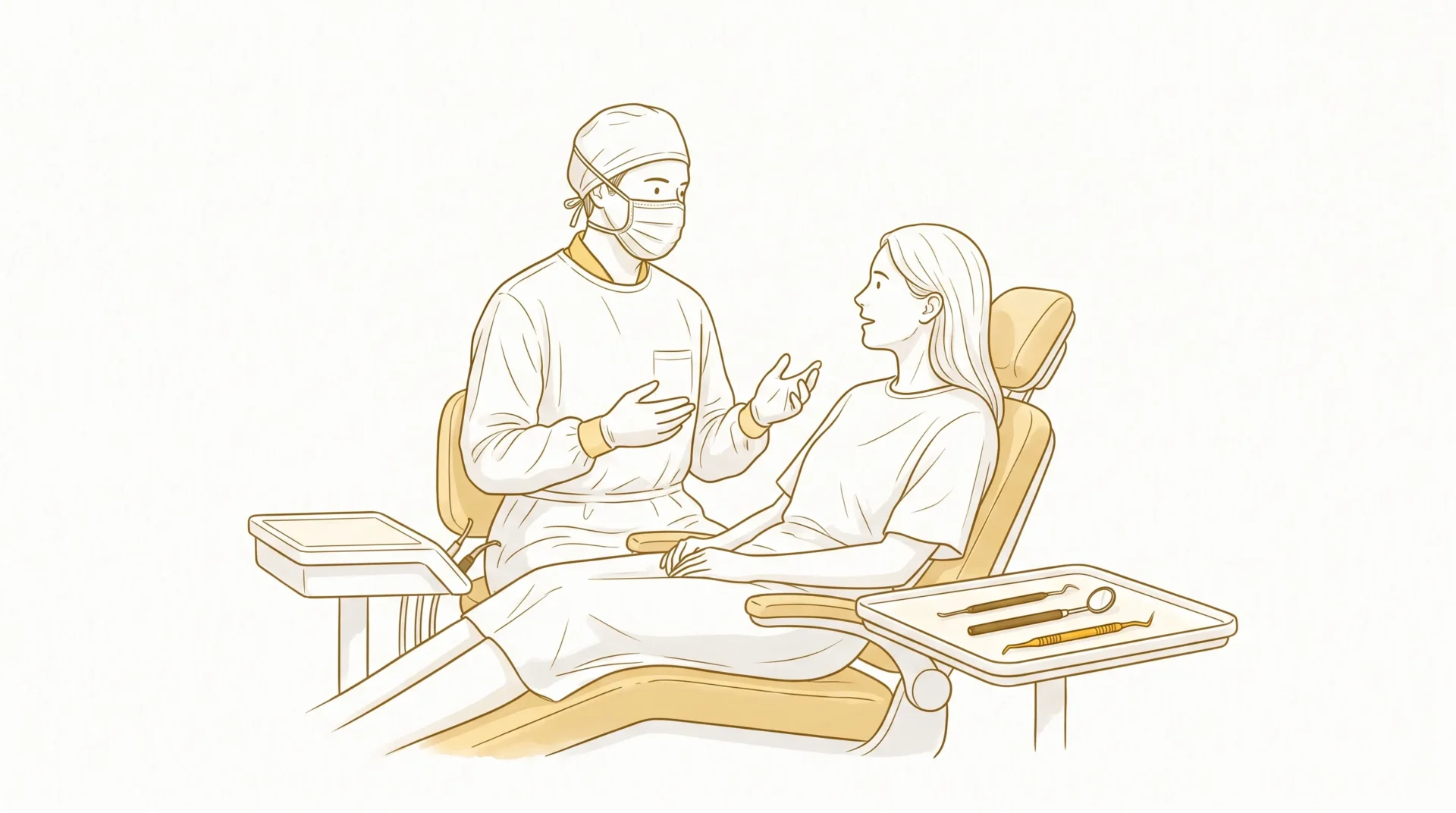
Your first visit is a useful chance to assess whether the clinic is a good long-term fit. You do not need to judge everything from one conversation, but you can notice how the team communicates, how fees are discussed and whether you feel comfortable asking questions.
A first appointment may include a medical history review, discussion of current concerns, oral examination, gum checks and X-rays if clinically indicated. Your dentist may also ask about diet, brushing, flossing or interdental cleaning, past dental experiences and any jaw pain, tooth sensitivity or bleeding gums.
If treatment is recommended, ask whether there are alternatives. In some cases, monitoring may be reasonable. In others, delaying care may increase the chance of symptoms or more complex treatment later. Your dentist should explain why a particular approach is being suggested for your situation.
Consider family needs and life stage
If you are choosing for a household, look for a clinic that can provide age-appropriate care and explanations. Children, teenagers, adults and older adults can have different oral health needs.
Children may need advice about brushing, fluoride toothpaste, diet, thumb sucking, mouthguards or early orthodontic concerns. Adults may be managing gum health, restorations, tooth wear, pregnancy-related gum changes or cosmetic questions. Older adults may need support with dry mouth, dentures, implants, medical conditions or changes that affect cleaning at home.
If your main priority is choosing one clinic for several family members, this guide to choosing a family dentist in Geelong may be useful alongside the broader points in this article.
Ask how preventive care is approached
Ongoing dental care should not only focus on treating problems once they become uncomfortable. Prevention and early assessment may help reduce the chance of avoidable dental issues, although no approach can guarantee that problems will not occur.
A prevention-focused clinic may discuss brushing technique, cleaning between teeth, fluoride, diet, tooth wear, gum health, mouthguards, smoking, vaping, alcohol intake and dry mouth. The advice should be relevant to you rather than a generic checklist.
Healthdirect provides general information about dental care and when to seek dental advice, including symptoms such as toothache, swelling or injury that may require professional assessment.
For some patients, ongoing care may include services beyond a basic check-up. You can read more about dental services that may be part of routine care if you want a clearer picture of how examinations, cleaning, gum assessment and preventive advice can fit together.
Weigh convenience against clinical fit
Convenience matters, but it should not be the only factor. A clinic close to home may still not suit you if you feel rushed, unclear about fees or uncomfortable discussing concerns. On the other hand, a clinic with advanced services may not be the right choice if appointment times, access or communication do not work for you.
A balanced decision usually considers:
- Location and parking or public transport
- Appointment availability that suits your schedule
- Whether emergency guidance is clear
- Communication and consent processes
- Fee transparency and payment options
- Services available for your likely needs
- Whether referrals are explained when required
If you have dental anxiety, a strong gag reflex, past difficult experiences or complex medical needs, mention this when booking. The response can help you judge whether the clinic is prepared to discuss practical ways to make care more manageable. This does not mean treatment will be free from discomfort or stress for every person, but open communication can help your dentist plan appropriately.
Be cautious with promises that sound too certain
Dental treatment is healthcare, so results and experiences vary. Be cautious if any clinic appears to promise a particular result, suggests that one option suits everyone or describes treatment as risk-free.
Balanced dental advice should acknowledge that:
- A diagnosis requires an examination
- Treatment suitability depends on individual factors
- Alternatives may exist, including no treatment in some situations
- Costs can vary with complexity
- Procedures have possible risks and limitations
- Cosmetic preferences should be discussed without pressure
This is especially relevant for treatments such as teeth whitening, veneers, Invisalign aligners, implants and All-on-4 implant treatment. These options may be suitable for some patients, but they require assessment, planning and a realistic discussion of benefits, risks, maintenance and alternatives.
When to seek a dentist sooner rather than waiting for a routine visit
Routine care is valuable, but some symptoms should be assessed sooner. Contact a dentist if you have toothache that persists, facial swelling, dental trauma, a broken tooth, bleeding that does not settle, signs of infection or difficulty eating because of dental pain.
If symptoms are severe, rapidly worsening or associated with difficulty breathing, swallowing, fever or facial swelling, seek urgent medical or dental advice. This article cannot diagnose the cause of symptoms, and timely assessment may be needed to decide what care is appropriate.
Frequently asked questions
How often should I see a local dentist? The right interval varies. Some patients are advised to attend every six months, while others may need more or less frequent visits depending on decay risk, gum health, medical history, age and previous dental treatment. Your dentist can recommend a recall interval after assessing your mouth.
What should I bring to a first dental appointment? Bring a list of medications, relevant medical history, private health insurance details if you use it and any recent dental X-rays if you have them. It can also help to write down your main concerns before the visit.
Is it better to choose a dentist close to home or close to work? Choose the location that makes it easiest to attend routine care and manage unexpected dental concerns. For some people, that is near home. For others, a clinic near work, school or regular errands is more practical.
How can I compare dental fees fairly? Ask what is included in the proposed appointment or treatment, whether X-rays are separate, whether you can receive a written estimate and whether alternatives are available. Lower fees are not always comparable if the services included are different.
Can one dentist provide all my dental care? Many general dentists provide a broad range of care, but referrals may be appropriate for complex treatment, specialist assessment or certain medical considerations. A clinic should explain when referral is recommended and why.
What if I feel nervous about seeing a dentist? Tell the clinic when you book and remind the dentist at the appointment. Dental anxiety is common, and discussing it early can help the team explain procedures clearly, allow breaks where appropriate and plan care in a way that considers your concerns.
Choosing ongoing care in Geelong
A local dentist should be someone you can return to for clear advice, preventive care and treatment discussions that reflect your individual needs. Registration, communication, access, fees, services and comfort all matter.
If you would like to discuss your oral health or arrange an assessment in Geelong, you can book an appointment with Geelong Dental Centre. A dental examination can help identify what is happening and which options may be appropriate for your circumstances.
Disclaimer
The information provided on this website is for general informational and educational purposes only. It is not intended to replace professional dental advice, diagnosis or treatment. Dental needs and treatment outcomes vary between individuals. Always seek advice from a qualified dental practitioner regarding your specific circumstances before making decisions about your oral health or treatment. A consultation and clinical assessment are required to determine which treatment options may be suitable for you. All dental procedures carry potential risks and benefits, which will be discussed with you before treatment.