Dental Implant Treatment From Consultation to Aftercare
4 September 2026 | Dental Fees & Financing, Dental Technology, General Dentistry
If you have been searching for dental implants Geelong, you are likely trying to understand more than whether an implant can replace a missing tooth. You may want to know how long treatment takes, what happens at each visit and how much care is needed afterwards. Dental implant treatment is planned in stages. Your dentist first assesses your mouth, medical history and goals, then explains suitable options, potential risks, alternatives and expected costs before treatment begins.
This guide walks through the usual pathway from consultation to aftercare, so you can approach your appointment with clearer questions and more realistic expectations.
Dental implants in Geelong: the usual treatment pathway
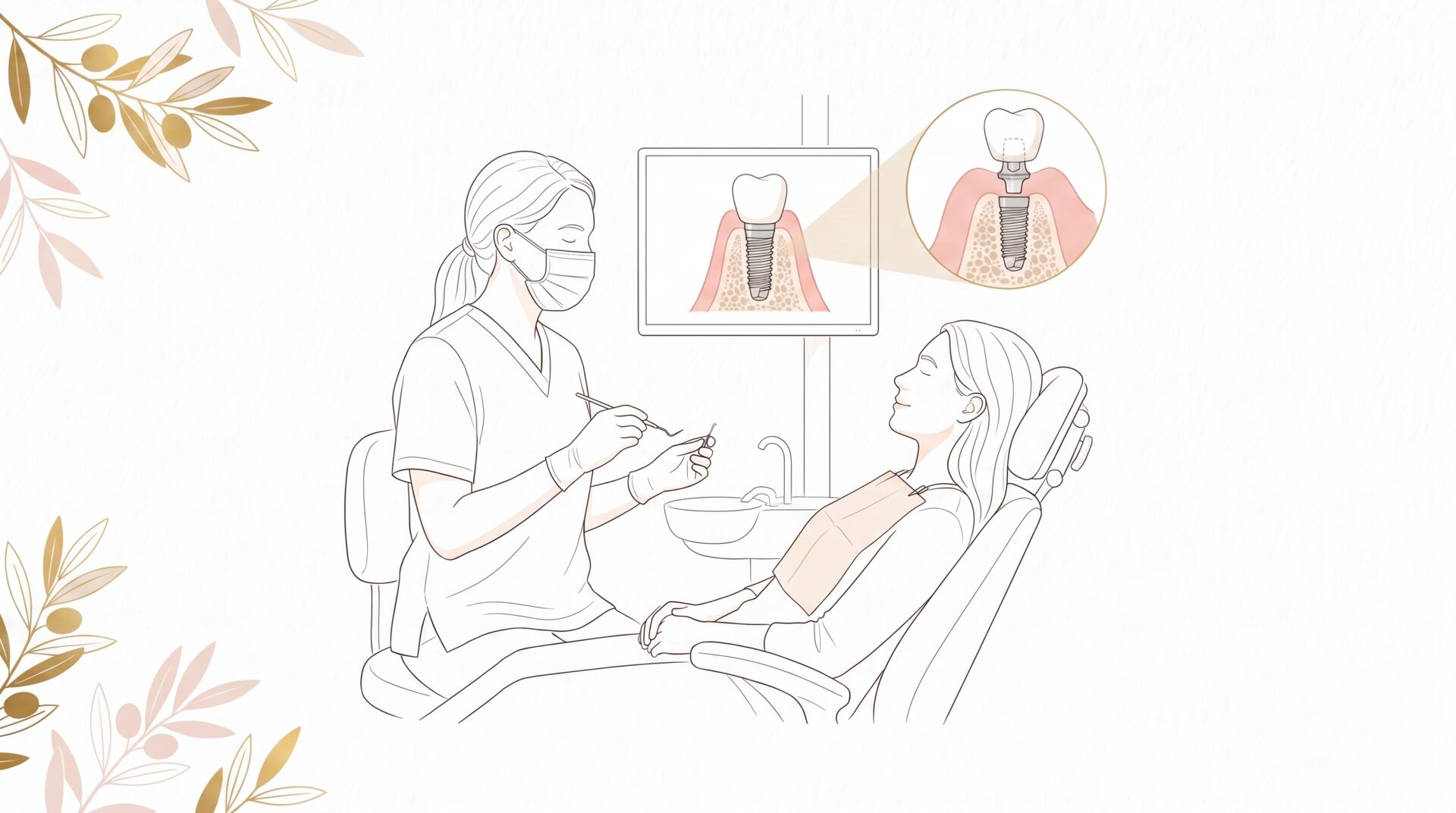
A dental implant is a small fixture placed into the jaw to support a replacement tooth, bridge or denture. The fixture is commonly made from titanium, although your dentist can explain the materials relevant to your case. After placement, the surrounding bone may grow around the implant in a process called osseointegration. Once healing is adequate, a connector called an abutment and a custom-made crown, bridge or denture can be attached.
The Australian Dental Association’s patient information on dental implants explains that implants can be used to replace one or more missing teeth, but suitability depends on the person’s oral health and jawbone. This is why a proper consultation is essential before deciding on treatment.
A typical implant journey may include:
| Stage | What usually happens | Timing note |
|---|---|---|
| Consultation and assessment | Discussion of your concerns, dental examination, X-rays or scans where appropriate | Often the first visit, although complex cases may need more than one appointment |
| Treatment planning | Review of implant options, alternatives, risks, costs and expected sequence | Timing depends on the information needed and whether preparatory care is required |
| Preparatory treatment | This may include gum treatment, removal of a tooth or bone grafting if clinically indicated | Not needed for every patient |
| Implant placement | The implant fixture is placed by the dentist under appropriate anaesthetic | Healing time varies between patients |
| Restoration | An abutment and crown, bridge or denture are fitted once the implant is ready | May involve impressions or digital scans |
| Review and maintenance | Ongoing checks, cleaning advice and monitoring of the implant and surrounding tissues | Long-term maintenance is important |
This pathway is not the same for everyone. A single implant to replace one tooth may be more straightforward than full-arch treatment such as All-on-4. Your dentist can explain what applies to your mouth after examining you.
The consultation: assessing your mouth, health and goals
The first consultation is not just about looking at the gap where a tooth is missing. Your dentist needs to understand the bigger picture, including your bite, gums, bone levels, medical history and what you are hoping treatment may achieve.
During an implant consultation, your dentist may ask about:
- Which tooth or teeth are missing and how long they have been missing
- Pain, swelling, loose teeth, gum bleeding or previous dental infections
- Smoking or vaping, as these may affect healing and implant maintenance
- Medical conditions such as diabetes, osteoporosis or immune-related conditions
- Medications, including blood thinners or medicines that affect bone metabolism
- Your preferences around fixed or removable tooth replacement options
- Budget, timing and whether you need a temporary tooth during treatment
Your dentist may also take X-rays or recommend a 3D scan if more detail is needed. A 3D scan can help assess the height, width and shape of the jawbone, as well as the position of nearby structures such as nerves or the sinus. Not every patient needs the same imaging, and your dentist should explain why any scan is recommended.
If you are preparing for an appointment, it may be useful to read through what to ask at a dental implant consultation before you attend. Good questions can help you understand suitability, alternatives, timing and maintenance in a more practical way.
Factors that influence whether implants may be suitable
Dental implants can be considered for many adults with missing teeth, but they are not automatically suitable for every person. Suitability depends on both dental and general health factors.
| Factor | Why it matters |
|---|---|
| Gum health | Active gum disease can affect the tissues that support teeth and implants |
| Bone volume | Adequate bone is needed to support an implant, although grafting may be considered in some cases |
| Bite and tooth wear | Heavy bite forces or grinding may affect planning and the type of restoration used |
| Medical history | Some conditions or medicines can influence healing and risk management |
| Oral hygiene | Implants need regular cleaning to reduce inflammation around the implant |
| Treatment goals | A single missing tooth, several missing teeth and a full arch require different planning |
Your dentist should also discuss alternatives. Depending on your circumstances, these may include a dental bridge, a removable partial denture, a full denture or no immediate replacement. If you are comparing fixed and removable options, this guide on dental implants or dentures may help you understand the broad differences before your consultation.
Treatment planning before implant placement
If an implant may be suitable, the next stage is treatment planning. This is where your dentist explains the proposed sequence, the number of appointments likely to be involved and any preparatory care that may be needed.
For some patients, planning is relatively direct. For others, the dentist may recommend managing gum inflammation, removing a damaged tooth, allowing an extraction site to heal or considering bone grafting before implant placement. Bone grafting means adding bone or bone-like material to help create enough support for an implant. It is not required for every case, and it adds its own healing time, risks and costs.
A written treatment plan can help you compare options. It should make clear what is included, what may change during treatment and what maintenance may be needed after the final tooth is fitted. If you have private health insurance, you can ask for item numbers to check your level of cover directly with your insurer. Cover varies between policies, so the dental clinic cannot confirm your exact rebate unless this has been checked with your fund.
It is also reasonable to ask whether treatment will be completed at one clinic or whether referral to another dental practitioner may be recommended for part of your care. Complex anatomy, advanced grafting needs or full-arch implant treatment can require detailed planning.
What happens on implant placement day
On the day of implant placement, your dentist will confirm the plan, answer any remaining questions and check that you are medically ready for the procedure. Anaesthetic is used to manage comfort during the appointment. Some patients may feel pressure or vibration, and experiences vary.
The general process often involves making an opening in the gum, preparing the bone and placing the implant fixture into the planned position. The gum is then closed around or over the implant, depending on the technique used. In some cases a temporary tooth or healing cap may be placed, but this depends on the stability of the implant, the location in the mouth and the treatment plan.
After the appointment, you will be given instructions for eating, cleaning and managing the area while it heals. You may also be advised about medication, follow-up visits and symptoms to watch for. If you develop increasing swelling, uncontrolled bleeding, fever or worsening pain, you should contact the dental clinic promptly or seek urgent medical advice if symptoms are severe.
Healing and osseointegration
After placement, the implant needs time to integrate with the surrounding bone. This healing period is an important part of treatment and should not be rushed. The timeframe can vary depending on the site, bone quality, whether grafting was needed, your general health and how the implant is responding.
During healing, your dentist may advise you to avoid chewing directly on the implant area for a period of time. You may need to keep the area clean with gentle brushing, rinsing or other instructions specific to your case. If you wear a temporary denture or appliance, it may need adjustment so it does not put unwanted pressure on the implant site.
Review appointments allow your dentist to check gum healing, comfort and implant stability. If healing is not progressing as expected, the treatment plan may need to be adjusted. Like all dental procedures, implant treatment carries possible risks, including infection, delayed healing or implant failure. These risks should be discussed before treatment begins.
Fitting the crown, bridge or denture
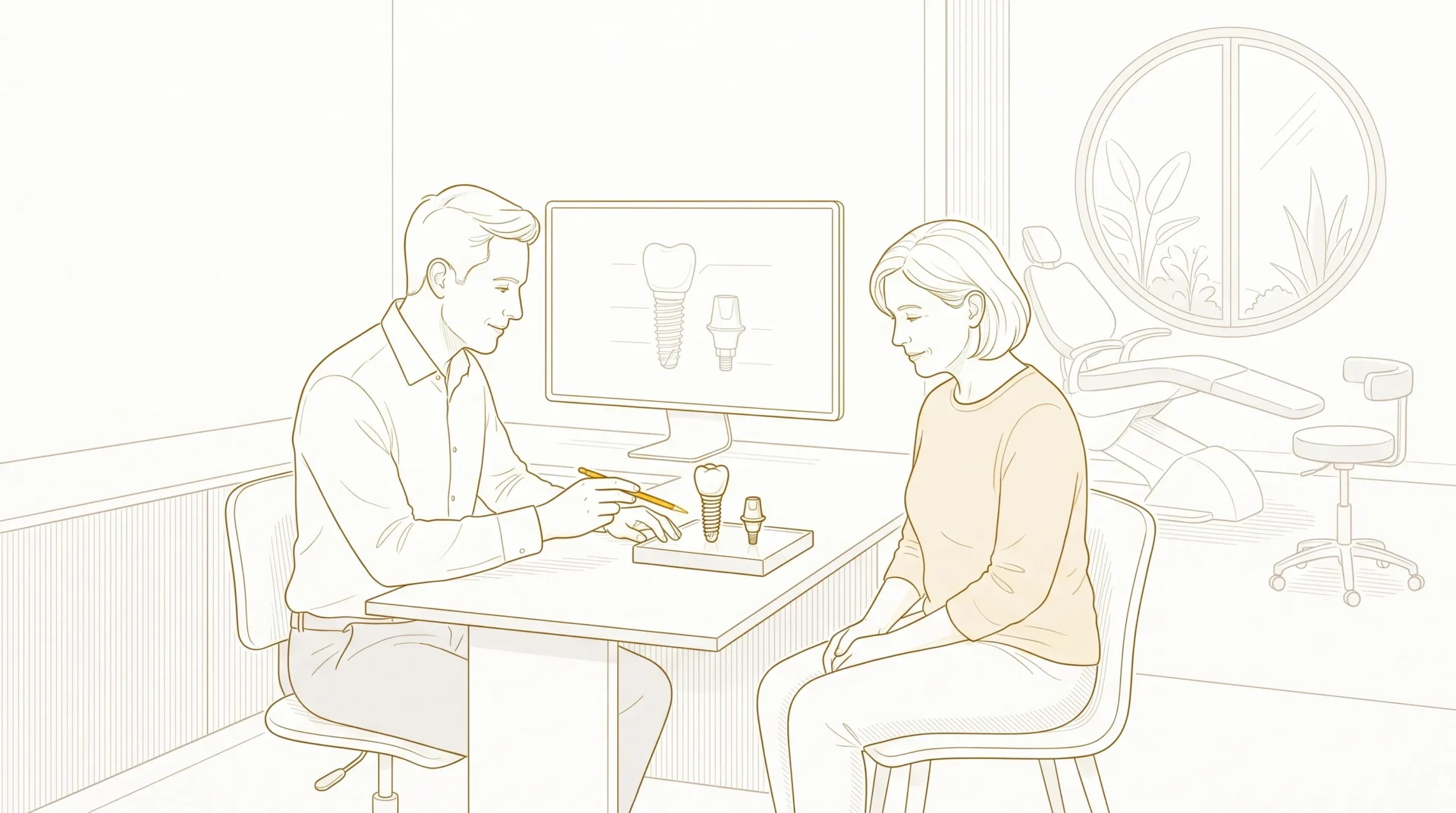
Once the implant is ready to be restored, your dentist will plan the visible tooth replacement. This may involve impressions or digital scans so the dental laboratory can make the crown, bridge or implant-supported denture.
For a single missing tooth, the final restoration is often a crown attached to the implant through an abutment. For several missing teeth, implants may support a bridge. For people missing most or all teeth in an arch, options such as an implant-retained denture or full-arch implant bridge may be discussed, depending on anatomy, oral health and treatment goals.
At the fitting appointment, your dentist checks the fit, bite and appearance of the restoration. Adjustments may be needed so the implant tooth works comfortably with the surrounding teeth. The final tooth should be cleaned and maintained like part of your mouth, even though it cannot decay in the same way as a natural tooth.
Possible benefits, limitations and risks
Dental implants may offer a fixed replacement option for missing teeth and can help support a crown, bridge or denture without relying on a removable plate in some cases. They may also help preserve bone volume in the area compared with leaving a tooth missing, although individual outcomes vary.
It is just as important to understand the limitations. Implant treatment involves surgery, healing time and ongoing maintenance. It is usually more complex than some other tooth replacement options and may not be the right choice for every patient.
Potential risks and complications can include:
- Infection or inflammation around the implant
- Failure of the implant to integrate with the bone
- Gum recession or changes in the appearance of the gum line
- Damage to nearby teeth or structures, depending on anatomy
- Sinus-related considerations for some upper back teeth
- Nerve irritation or altered sensation in rare circumstances
- Loosening, wear or fracture of the crown, screw or other components
- The need for future repair, maintenance or replacement of parts
Your dentist should explain the risks that are most relevant to your case, along with the steps used to reduce them. A clinical assessment is needed before weighing up whether the possible benefits are likely to suit your circumstances.
Aftercare: looking after your implant long term
Aftercare is not an optional extra. Dental implants do not get tooth decay, but the gum and bone around them can become inflamed. This is sometimes called peri-implant disease. Regular cleaning, dental reviews and early attention to changes around the implant can help maintain the surrounding tissues.
Daily care often includes brushing twice a day and cleaning carefully around the implant with floss, interdental brushes or other tools your dentist recommends. The best tool depends on the shape of the implant restoration and the spaces around it.
| Aftercare habit | Why it matters |
|---|---|
| Brush around the implant and gum line | Helps remove plaque from the restoration and surrounding tissues |
| Use interdental cleaning aids if advised | Cleans areas a toothbrush may not reach |
| Attend review appointments | Allows your dentist to monitor the implant, bite and gum health |
| Report changes early | Bleeding, swelling, looseness or discomfort should be assessed |
| Avoid smoking where possible | Smoking can affect gum health and healing |
| Wear a night guard if prescribed | May help protect restorations if you grind or clench |
The frequency of maintenance visits depends on your oral health, gum condition, cleaning ability and risk factors. Some people need more frequent reviews than others. If you are unsure what happens at a general dental visit, this overview of what to expect when visiting a Geelong dentist explains the usual examination and treatment planning process.
When to arrange an assessment
You may wish to arrange a dental assessment if you have one or more missing teeth, a loose denture, a tooth that has been assessed as not restorable or an old bridge you are concerned about. An assessment does not mean you have committed to implant treatment. It simply gives your dentist the chance to explain what may be possible and what alternatives are worth considering.
You should seek prompt dental advice if you have swelling, severe toothache, facial swelling, fever, trauma, uncontrolled bleeding or a tooth that has suddenly become loose. These symptoms may need attention before any discussion about replacing teeth.
For people in Geelong, Newtown, Geelong West, East Geelong, Belmont, Highton and nearby areas, Geelong Dental Centre can assess missing tooth concerns and explain whether implant treatment or another option may be appropriate for your circumstances.
Frequently Asked Questions
How long does dental implant treatment take? Treatment time varies. Some cases involve consultation, placement, healing and restoration over several months, while others take longer if extractions, grafting, gum treatment or more complex planning are needed. Your dentist can give a more realistic timeframe after assessing your mouth.
Is dental implant treatment suitable for everyone? No. Suitability depends on factors such as gum health, jawbone volume, medical history, medications, smoking status, bite forces and treatment goals. Your dentist needs to assess these before recommending an implant.
Will dental implant treatment hurt? Anaesthetic is used during implant placement to manage comfort. Some people experience swelling, bruising or soreness afterwards. Your dentist will explain what to expect and how to manage recovery, but experiences vary between patients.
What if I do not have enough bone for an implant? Some patients may be able to consider bone grafting or a different implant plan, while others may be better suited to another tooth replacement option. A scan and clinical examination can help your dentist explain what is possible.
Are dental implants better than dentures? Not necessarily. Implants and dentures work differently, and each option has benefits and limitations. The most appropriate choice depends on your oral health, budget, preferences, anatomy and ability to maintain the appliance or implant restoration.
How do I know what dental implants will cost? Costs depend on the number of implants, imaging, preparatory care, surgical complexity, the type of restoration and maintenance needs. A dentist can provide a treatment plan after assessment. If you have health insurance, ask for item numbers so you can check your rebate with your fund.
Discussing dental implants in Geelong
If you are considering dental implant treatment, a dental examination can help clarify whether it may be suitable and what alternatives you should understand before deciding. Your dentist can assess your oral health, explain the potential benefits, risks and limitations and provide a treatment plan based on your individual needs.
To discuss missing tooth options, you can book an appointment with Geelong Dental Centre for an assessment in Geelong.
Disclaimer
The information provided on this website is for general informational and educational purposes only. It is not intended to replace professional dental advice, diagnosis or treatment. Dental needs and treatment outcomes vary between individuals. Always seek advice from a qualified dental practitioner regarding your specific circumstances before making decisions about your oral health or treatment. A consultation and clinical assessment are required to determine which treatment options may be suitable for you. All dental procedures carry potential risks and benefits, which will be discussed with you before treatment.