Who Makes Up Your Dental Team?
3 September 2026 | Children's Dentistry, General Dentistry, Preventative Dentistry
Your dental team is made up of the people who support your oral health before, during and after an appointment. In most cases, the dentist is the person who assesses, diagnoses and discusses treatment options with you, but they are not the only person involved in your care.
At a dental practice, you may also meet dental assistants, oral health therapists, hygienists, reception staff and, for some treatments, external laboratory technicians or dental specialists. Each role has a different purpose. Understanding who does what can make your visit feel less confusing, especially if you are booking for a child, attending with tooth pain or considering a more involved treatment.
Why your dental team includes more than a dentist
Modern dental care is often a team effort because oral health involves prevention, diagnosis, treatment, infection control, appointment planning and communication. A single visit may include an oral examination, X-rays if clinically appropriate, a clean, treatment planning, fee discussions and home care advice.
The exact people involved will depend on the reason for your appointment. A routine check-up may involve fewer team members than an emergency visit, cosmetic consultation, Invisalign discussion or dental implant assessment. Not every dental practice has every type of practitioner on site, and some services may involve referral to another provider when that is in your interests.
For patients in Geelong, Newtown, Geelong West, Belmont, Highton and nearby areas, knowing the roles within a clinic can also help when choosing where to book. If you are unsure what a first appointment may involve, Geelong Dental Centre has a helpful guide on what to expect when visiting a Geelong dentist.
Who may be part of your dental team?
The names of dental roles can sound similar, but their responsibilities are different. In Australia, some dental roles are registered health practitioners, while others are trained support or administrative roles. Your clinic can explain who you are seeing and what they are qualified to provide.
| Team member | What they generally help with | When you may meet them |
|---|---|---|
| Dentist | Examination, diagnosis, treatment planning and dental procedures within their scope | Check-ups, toothache, fillings, crowns, cosmetic care, implants and urgent concerns |
| Oral health therapist | Preventive care and some dental treatment within their scope, often including care for children and adolescents | Cleans, oral hygiene advice, children’s dentistry and preventive appointments |
| Dental hygienist | Gum health, preventive care, scaling, polishing and oral hygiene coaching within their scope | Professional cleans, gum maintenance and prevention-focused visits |
| Dental assistant | Chairside support, instrument preparation, suction, infection control support and patient comfort | Most treatment appointments and many examinations |
| Reception and administration team | Appointments, forms, payments, health fund processing and general information | Before and after your visit, and when booking future care |
| Dental laboratory team | Custom-made dental items made to the dentist’s prescription | Crowns, bridges, dentures, veneers, implant components and some appliances |
| Dental specialist | Assessment or treatment in a specific area of dentistry | When referral is recommended for more complex needs |
These roles may overlap in the way they interact with you, but they should not blur important clinical responsibilities. For example, reception staff can help you book the right type of appointment, but they cannot diagnose the cause of pain over the phone. A dental assistant may help during a procedure, but the dentist remains responsible for diagnosis and treatment planning.
The dentist: assessment, diagnosis and treatment planning
The dentist is usually the main clinician responsible for assessing your oral health, identifying dental conditions and discussing suitable options. This may include checking your teeth, gums, jaw joints, bite and soft tissues such as the tongue and cheeks.
A dentist may recommend X-rays when they are needed to see areas that are not visible during a visual examination. They may also assess symptoms such as toothache, sensitivity, broken teeth, swelling, bleeding gums or concerns about the appearance of teeth.
Depending on your needs, a dentist may provide or discuss options such as:
- General dental care, including check-ups, fillings and preventive advice
- Emergency dental care for urgent symptoms or injuries
- Cosmetic dentistry, where suitable, after assessing oral health first
- Invisalign aligners or other orthodontic referral pathways, depending on the case
- Dental implants, All-on-4 implants or other tooth replacement options after assessment
- Root canal treatment when the dental pulp, the soft tissue inside a tooth, is affected
- Teeth whitening, where appropriate for your teeth and gums
All dental procedures carry potential benefits, limitations and risks. Suitability depends on your oral health, medical history, anatomy, treatment goals and personal circumstances. Your dentist can explain the options that may be appropriate and whether no treatment, monitoring or referral should also be considered.
Oral health therapists and hygienists: prevention and gum care
Oral health therapists and dental hygienists often play an important role in prevention. They may help with professional cleaning, gum health assessment, plaque and tartar removal, fluoride application when appropriate and practical advice about brushing and cleaning between teeth.
Plaque is a sticky film of bacteria that forms on teeth. Tartar, also called calculus, is hardened plaque that cannot be removed with normal brushing. Professional cleaning may be recommended as part of routine care, particularly where tartar, gum inflammation or hard-to-reach areas are present.
Oral health therapists may also provide certain restorative treatments within their training and scope. In many practices, they are involved in children’s dentistry and family preventive care. If you are booking for a child, the clinic can let you know which practitioner is appropriate for the visit.
If you want a broader look at what can be included in routine care beyond a basic check, this article on dental services that may be part of your routine care explains common appointment components in patient-friendly terms.
Dental assistants: clinical support and infection control processes
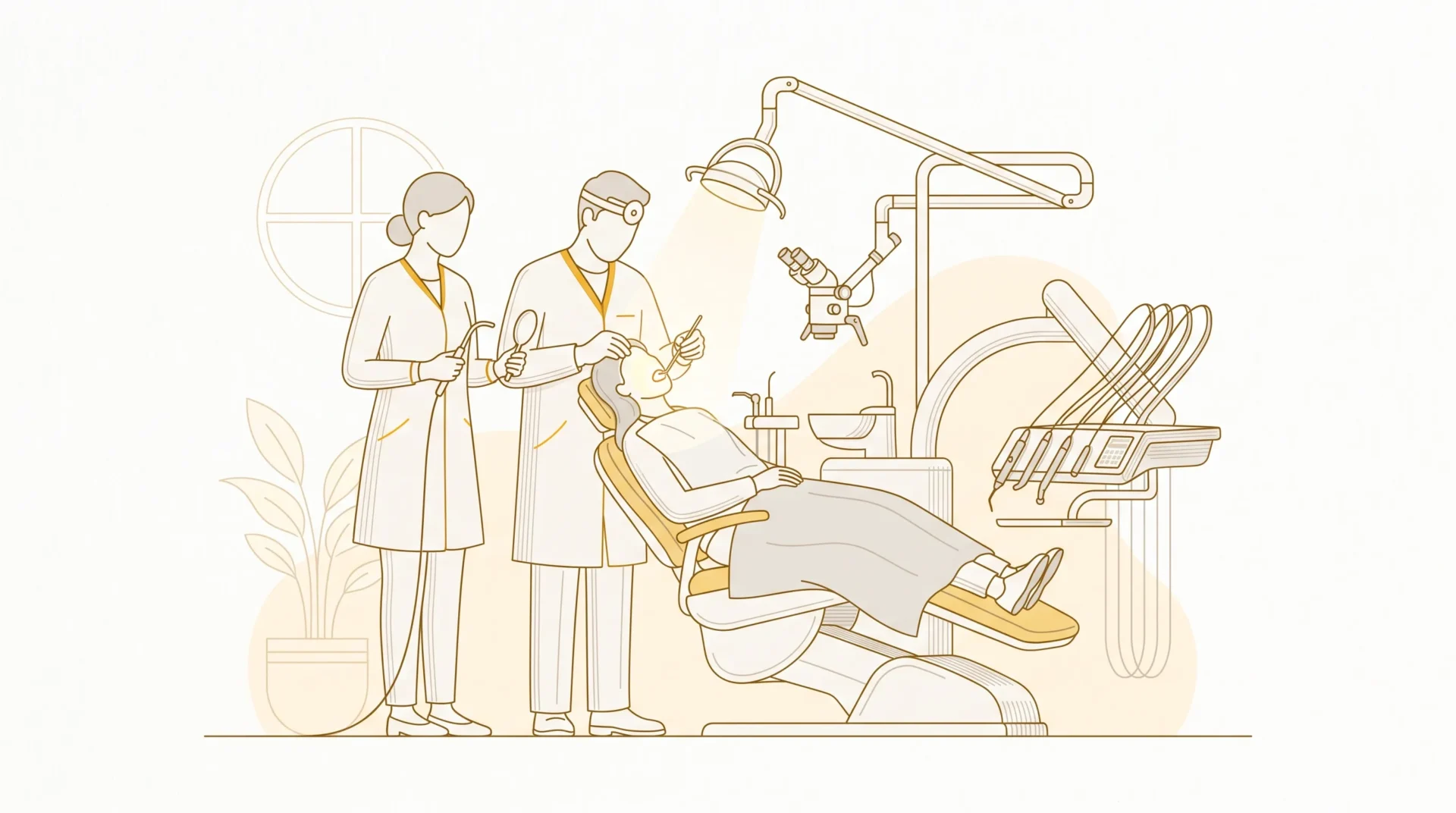
Dental assistants are often the team members you see seated beside the dentist or oral health practitioner. Their role is practical and important. They prepare the treatment room, pass instruments, operate suction, help keep the appointment running smoothly and support infection prevention procedures.
They may also help you feel oriented during the visit by explaining when to open or close your mouth, handing you protective eyewear or checking that you understand simple instructions. During treatment, they help the clinician maintain visibility and access, which can make procedures more organised and efficient.
Dental assistants do not diagnose dental conditions or decide on treatment options. Their role supports the clinician and patient, rather than replacing the assessment and decision-making performed by a registered dental practitioner.
Reception and administration staff: the first point of contact
For many patients, the first member of the dental team they speak with is the reception or administration team. They may ask about your concern, help find a suitable appointment time, explain what information to bring and assist with forms.
If you call about pain, swelling, a broken tooth or an injury, reception staff may ask questions so they can book the appointment appropriately. This is not a diagnosis. It helps the clinic understand whether you may need a longer appointment, an emergency assessment or advice about seeking urgent medical care if symptoms suggest a broader health concern.
Administration staff may also discuss payment options, health fund claiming and follow-up appointments. Clear communication at this stage can reduce surprises and help you understand what to expect when you arrive.
Dental laboratory technicians and behind-the-scenes care
Some dental work involves custom-made items that are created outside the treatment room. Crowns, bridges, dentures, veneers, implant components and some appliances may be made by a dental laboratory according to the dentist’s prescription.
You may not meet the laboratory team directly, but their work can be part of the overall care process. The dentist records the information needed, such as scans, impressions, shade details or design requirements. The laboratory then creates the dental item, and the dentist checks the fit, appearance and function before it is issued or placed.
Because every mouth is different, custom dental work requires careful assessment and planning. Adjustments may sometimes be needed. Your dentist can explain likely timeframes, possible limitations and any maintenance requirements before you decide whether to proceed.
When your dental team may involve a referral
A general dentist can provide many types of dental care, but some situations may benefit from referral to a dental specialist or another health practitioner. This can happen when a case is complex, when specialist equipment or training may be needed, or when a second opinion would support safer decision-making.
Examples may include complex orthodontic concerns, advanced gum disease, complicated root canal treatment, oral surgery, jaw issues, oral medicine concerns or medically complex care. A referral does not mean something has gone wrong. It means your dentist considers another practitioner’s input may be useful.
Orthodontic care is one area where different team members may be involved. Clear aligner treatment, such as Invisalign, requires assessment, planning and monitoring. Traditional fixed braces are often managed by an orthodontic provider, and some patients enjoy personalising the look of their braces with elastics. For a non-clinical example of this kind of personal choice, this guide shares ideas for braces colour combinations. Colour choices are separate from clinical suitability, which should always be assessed by the treating dental practitioner.
How the dental team works together during an appointment
Although every appointment is different, the teamwork usually follows a clear pattern. Before you arrive, the administration team helps gather details and schedule the visit. When you are in the clinic, the clinical team confirms your medical history, listens to your concerns and carries out the assessment or treatment that is appropriate for that appointment.
If treatment is recommended, your dentist should explain the reason for it, what it involves, possible benefits, relevant risks, alternatives and likely fees. You should have an opportunity to ask questions before making a decision. Informed consent is not just a signed form. It is a conversation that helps you understand your choices.
For more complex care, the process may involve multiple appointments. An implant consultation, for example, may include examination, imaging, discussion of medical history and time to consider options. Cosmetic treatment may first require checking that the teeth and gums are healthy enough for the proposed care. Emergency dental care may focus first on assessing the cause of pain or swelling, with follow-up treatment discussed after the immediate concern is understood.
Your role as part of the dental team
Patients are not passive in dental care. Your information, preferences and questions matter. Your dental team can assess and explain, but they also rely on you to share details that may affect treatment planning.
It is helpful to tell the clinic about your medical conditions, medications, allergies, pregnancy, previous dental experiences and any anxiety or concerns. If cost, appointment timing or treatment preferences matter to you, raising these early can help your dentist discuss options that are realistic for your circumstances.
Good home care also supports professional dental care. Brushing, cleaning between teeth, limiting frequent sugary snacks and drinks, using fluoride toothpaste and attending reviews when advised may all help maintain oral health. For practical family routines, you may find this guide to everyday dental care habits for the whole family useful.
Questions you can ask your dental team
If you are unsure about a recommendation, it is reasonable to ask for clarification. A good clinical conversation should leave you with a clearer understanding of your choices, not pressure you into a decision.
Useful questions include:
- What is the likely cause of this problem?
- What are my options, including monitoring or no treatment where appropriate?
- What are the potential benefits and risks of each option?
- How urgent is this, and what may happen if I wait?
- Will I need X-rays or other imaging, and why?
- What costs should I expect before deciding?
- Would referral to another dental practitioner be appropriate?
You do not need to know the correct dental terms before asking. Describing what you feel, when it started and what makes it better or worse is often enough to begin the conversation.
When to contact a dental team sooner
Some dental concerns can wait for a routine appointment, while others are better assessed promptly. Contact a dental clinic if you have ongoing toothache, facial swelling, a broken or knocked tooth, bleeding that does not settle, signs of infection, an injury to the mouth or pain that affects eating or sleeping.
If you have swelling that affects breathing or swallowing, heavy bleeding, a serious facial injury or symptoms that feel medically urgent, seek emergency medical care. Dental clinics can assess many oral health issues, but some symptoms need immediate hospital or medical attention.
For a more detailed guide, Geelong Dental Centre explains when you should book a dental appointment and what symptoms may need earlier assessment.
Frequently asked questions
Is the dentist the only person who looks after my teeth? No. The dentist is usually responsible for assessment, diagnosis and treatment planning, but other team members may support preventive care, chairside assistance, administration, custom dental work and referrals where appropriate.
Will I always see the same member of the dental team? Not always. It depends on the type of appointment, clinician availability and your dental needs. You can ask the clinic who you are booked with and why that practitioner is suitable for the appointment.
Can reception staff tell me what treatment I need? Reception staff can help you book an appointment and may ask about your symptoms, but they cannot diagnose the problem or recommend personalised treatment. A clinical assessment is needed.
Who should I speak to if I feel nervous about dental care? You can mention this when booking or at the start of your appointment. The dental team can discuss what may help you feel more informed and prepared, although experiences vary between patients.
What if I want cosmetic dental treatment? A dentist should first assess your oral health, discuss your goals and explain suitable options, limitations, risks and alternatives. Cosmetic treatment is not appropriate for everyone, and healthy teeth and gums are usually considered before appearance-focused care.
Speak with a dental team in Geelong
Understanding who makes up your dental team can make appointments feel more straightforward. Each role has a different purpose, from assessment and treatment planning to prevention, chairside support and appointment coordination.
If you have a dental concern or are due for a check-up, a dental examination can help determine what may be appropriate for your situation. To discuss your needs, you can book an appointment with the team at Geelong Dental Centre in Geelong.
Disclaimer
The information provided on this website is for general informational and educational purposes only. It is not intended to replace professional dental advice, diagnosis or treatment. Dental needs and treatment outcomes vary between individuals. Always seek advice from a qualified dental practitioner regarding your specific circumstances before making decisions about your oral health or treatment. A consultation and clinical assessment are required to determine which treatment options may be suitable for you. All dental procedures carry potential risks and benefits, which will be discussed with you before treatment.