What a Dental Check-Up and Clean Usually Includes
7 September 2026 | General Dentistry, Preventative Dentistry, Teeth Cleaning
If you have searched for a check up and clean dentist near me, you are probably looking for a clear idea of what happens before you book. A routine dental check-up and clean usually includes a conversation about your oral health, an examination of your teeth and gums, a professional clean to remove plaque and tartar and advice based on what your dentist sees.
The exact appointment can vary. Some people need X-rays, gum measurements or fluoride treatment, while others may only need a straightforward examination and clean. Your dentist should explain what is recommended, why it may be useful and whether there are any alternatives.
What a check up and clean dentist near me appointment usually involves
A dental check-up and clean has two main purposes. The check-up looks for signs of tooth decay, gum disease, wear, cracks, infections and other oral health concerns. The clean removes hardened deposits that brushing and flossing cannot remove at home.
Here is a simple overview of what may be included.
| Part of the appointment | What it usually involves | Is it always needed? |
|---|---|---|
| Health and dental history | A discussion about medical conditions, medications, symptoms and past dental care | Usually yes |
| Dental examination | Checking teeth, fillings, crowns, bite, jaw and soft tissues | Usually yes |
| Gum assessment | Looking for bleeding, inflammation, gum recession or deeper gum pockets | Often yes |
| Dental X-rays | Images used to check areas not easily seen in the mouth | Only when clinically appropriate |
| Scale and polish | Removal of plaque and tartar, followed by polishing | Usually included in a clean |
| Fluoride treatment | A protective fluoride application to support enamel | Sometimes recommended |
| Preventive advice | Personalised brushing, flossing, diet or product guidance | Usually yes |
A check-up and clean is not a one-size-fits-all appointment. A teenager with braces, an adult with bleeding gums and someone who has not seen a dentist for several years may each need a different approach.
The first step is usually a short conversation
Before your dentist looks in your mouth, they will usually ask about your general health and any dental concerns. This may include questions about pain, sensitivity, bleeding gums, dry mouth, jaw discomfort, grinding or changes you have noticed.
Your medical history matters because some health conditions and medications can affect your mouth. For example, some medicines may contribute to dry mouth, which can increase the risk of decay. Diabetes, pregnancy, smoking history and certain heart conditions may also be relevant to dental care planning.
It is worth mentioning if you feel nervous about dental visits or have had a difficult experience in the past. This helps the dental team pace the appointment and explain what is happening in a way that feels manageable.
What the dentist checks during the examination
During the examination, your dentist looks at more than just whether you have a cavity. They usually assess the teeth, gums, tongue, cheeks, palate, jaw joints and bite.
The dentist may check for:
- Early signs of tooth decay or weakened enamel
- Cracks, worn edges or damaged fillings
- Gum inflammation, bleeding or recession
- Signs of clenching or grinding
- Changes in the soft tissues of the mouth
- Areas where food or plaque may be trapping
- Problems around crowns, bridges, implants or dentures
This examination helps your dentist decide whether routine preventive care is enough or whether further assessment is needed. It does not mean treatment will automatically be recommended. If something is found, your dentist should explain the issue, the possible options and what may happen if it is monitored rather than treated straight away.
Gum health is a key part of the visit
Many people book a check-up and clean because their teeth feel fine, then discover the main concern is actually their gums. Gum disease can develop gradually and may not cause pain in the early stages.
Your dentist or oral health professional may look for bleeding, swelling, plaque build-up, tartar and changes in the gum line. In some cases, they may measure the small spaces between the teeth and gums. These measurements can help identify whether gum inflammation is mild or whether deeper gum pockets need closer management.
Bleeding gums are common, but they should not be ignored if they keep happening. They may be linked to plaque build-up, brushing technique, smoking, pregnancy, some health conditions or other factors. A dental examination can help clarify what may be contributing.
Are X-rays part of every dental check-up?
Dental X-rays are not necessarily taken at every routine visit. Your dentist may recommend them if they need to see between teeth, under existing fillings, around tooth roots or below the gum line. These are areas that cannot always be properly assessed by looking in the mouth alone.
X-rays may be considered when:
- You have symptoms such as pain, swelling or sensitivity
- There are areas of concern between teeth
- Your dentist needs to check bone levels around teeth
- You have existing fillings, crowns, implants or root canal treated teeth
- You have not had dental X-rays for some time and your risk factors suggest they may be useful
Dental X-rays involve a small amount of radiation, so they should only be used when the expected diagnostic benefit is appropriate. If you are pregnant, trying to become pregnant or have concerns about X-rays, let your dentist know so they can discuss what is suitable for your circumstances.
For general oral health information written for Australian patients, Healthdirect provides a helpful dental care overview.
What happens during the professional clean?
A professional clean usually involves scaling and polishing. Scaling removes plaque and tartar from the teeth, especially around the gum line and between teeth. Tartar is hardened plaque, and once it has formed it cannot be removed properly with a toothbrush at home.
Your dentist, hygienist or oral health therapist may use an ultrasonic scaler, hand instruments or a combination of both. An ultrasonic scaler uses vibration and water to loosen deposits. Hand instruments allow more detailed cleaning in specific areas.
After scaling, your teeth may be polished to remove some surface stains and leave the tooth surfaces feeling smoother. Polishing is not the same as whitening. It may make teeth feel cleaner and may reduce some external staining, but it does not change the natural colour of the teeth in the way a whitening treatment may.
If you would like a more detailed explanation of the cleaning part of the appointment, Geelong Dental Centre has a separate guide on what happens during a professional teeth clean.
Will a dental clean feel uncomfortable?
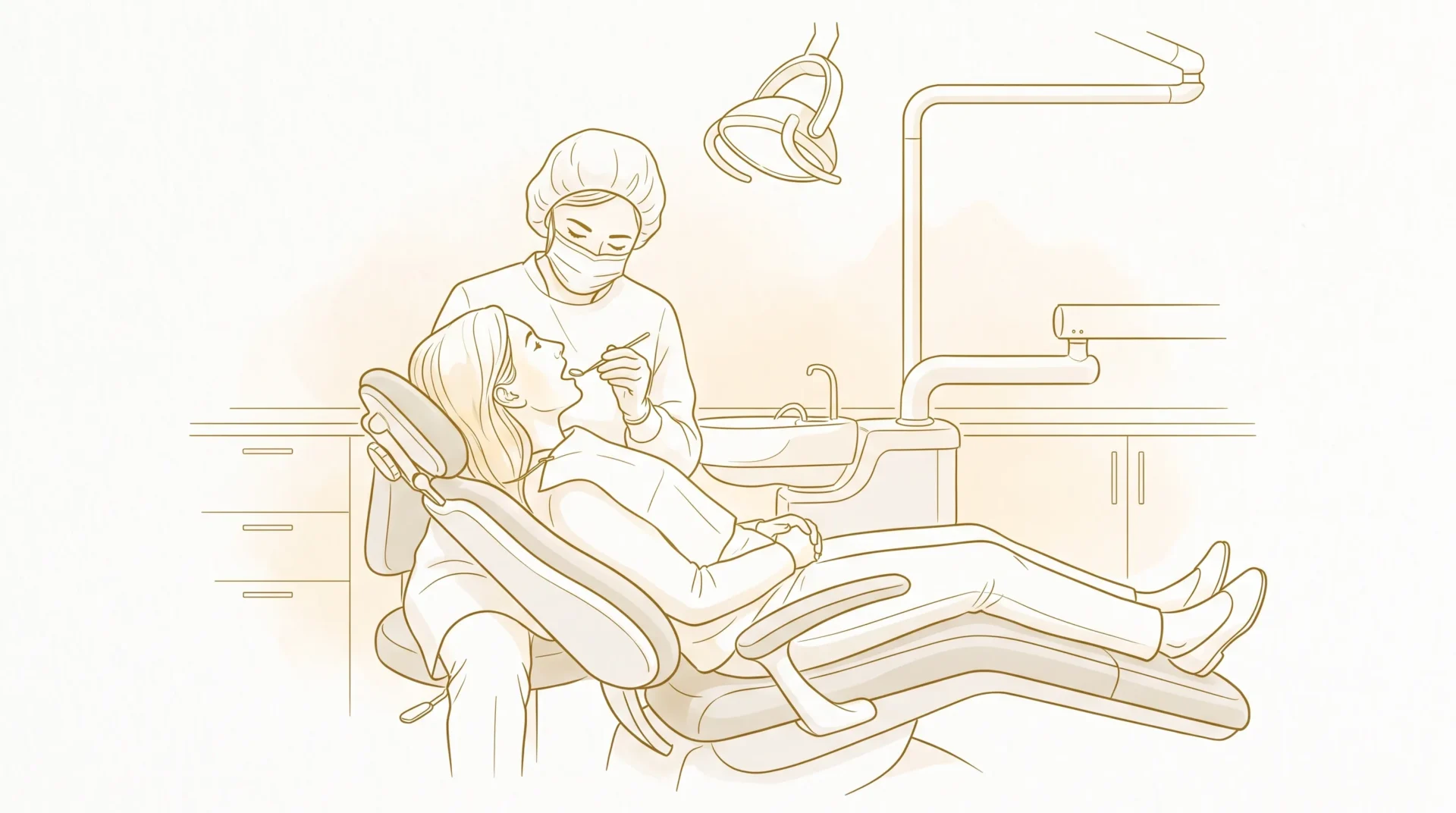
A routine clean may feel a little scratchy or sensitive in some areas, especially if there is gum inflammation, exposed tooth roots or heavier tartar build-up. Some people also notice mild gum tenderness or slight bleeding afterwards, particularly if their gums were already inflamed.
You can ask for breaks during the appointment. If you have sensitive teeth or feel anxious, let the dental team know before the clean begins. Your dentist can discuss ways to make the visit more manageable, although experiences vary from person to person.
If a deeper clean is needed due to gum disease, your dentist should explain this separately. Deeper gum treatment may involve different appointment lengths, local anaesthetic in some cases and more detailed home care instructions.
Fluoride may be recommended for some patients
Fluoride is a mineral that can help strengthen tooth enamel and support prevention of tooth decay when used appropriately. In a dental appointment, fluoride may be applied as a gel, foam or varnish. It is not needed for every patient at every visit.
Your dentist may discuss fluoride if you have a higher risk of decay, tooth sensitivity, dry mouth, exposed root surfaces or early enamel changes. They may also talk about toothpaste strength, brushing habits and dietary factors that affect enamel.
The Australian Dental Association patient website Teeth.org.au provides accessible information about oral health topics, including preventive care and home dental habits.
Personalised advice is part of the value of the visit
A check-up and clean is not only about removing tartar. It is also a chance to understand what is happening in your mouth and how to care for it between visits.
Your dentist may discuss brushing technique, cleaning between teeth, mouthguards, diet, acidic drinks, smoking, dry mouth or dental products. Advice should be practical and matched to your needs. For example, someone with tight spaces between teeth may need different interdental cleaning tools from someone with gum recession or dental implants.
If you have children, your dentist may also talk about age-appropriate brushing, fluoride toothpaste, thumb sucking, fissure sealants or diet habits. Routine dental visits for children are usually focused on prevention, early detection and helping children become familiar with dental care.
How often should you have a check-up and clean?
There is no single interval that suits everyone. Many people are advised to attend around every six months, but some may need more frequent care and others may be suitable for longer intervals. Your dentist can recommend a recall period after considering your oral health, gum condition, decay risk, medical history and home care routine.
You may need more regular appointments if you have active gum disease, frequent decay, dry mouth, a history of complex dental treatment or difficulty cleaning certain areas. If your oral health is stable and your risk is lower, your dentist may suggest a different schedule.
The aim is not to attend more often than necessary. It is to choose a timing that supports early detection and preventive care based on your individual risk.
What if the dentist finds a problem?
If your dentist finds decay, gum disease, a cracked tooth or another concern, they should explain what they have seen in plain language. You may be shown photos, X-rays or diagrams so you can understand the issue.
Depending on the finding, options may include monitoring, preventive care, a filling, gum treatment, a mouthguard, referral or further investigation. Cosmetic concerns, such as staining, tooth shape or alignment, can also be discussed if you raise them, but cosmetic treatment is a personal choice and may not be suitable for everyone.
Before proceeding with treatment, it is reasonable to ask about:
- The purpose of the treatment
- Possible benefits and limitations
- Potential risks or side effects
- Alternative options, including no treatment where appropriate
- Expected fees and appointment timing
- What may happen if the issue is monitored
All dental procedures carry potential risks and benefits. Treatment suitability depends on your oral health, medical history, anatomy, preferences and the clinical findings at the appointment.
When to book sooner than a routine check-up
A routine check-up and clean is suitable for many people who are not experiencing urgent symptoms. However, some concerns should be assessed sooner rather than waiting for a regular recall appointment.
Consider contacting a dentist promptly if you have facial swelling, dental trauma, a broken tooth, severe or worsening pain, pus, fever, difficulty opening your mouth or bleeding that does not settle after an injury. Ongoing sensitivity, bleeding gums, loose teeth or a sore spot that does not heal should also be checked.
For a broader guide to timing, you can read Geelong Dental Centre’s article on when to book a dental appointment.
How to prepare for your appointment
You do not need to do anything complicated before a check-up and clean. If possible, bring a list of your medications, details of any allergies and information about recent medical changes. If you have dental extras cover, bring your health fund card or details.
It can also help to think about what you want to ask. Common questions include why gums bleed, whether sensitivity is normal, how to clean around a crown or implant, whether whitening may be suitable or how often to bring children in for dental visits.
If you are booking locally in Geelong, you may want to mention whether you are after a routine check-up and clean or whether you have a specific concern. This helps the reception team allow an appropriate appointment type where possible. Geelong Dental Centre also has information on how to book a teeth cleaning appointment if you are unsure which visit to choose.
For patients in Geelong and nearby suburbs
People looking for dental care in Geelong, Newtown, Geelong West, East Geelong, Belmont, Highton or nearby areas often want a practical appointment that covers both prevention and early detection. A check-up and clean can be a useful starting point if you have not been for a while, have noticed changes in your mouth or simply want to keep track of your oral health.
It is also a good opportunity to ask about other services only if they are relevant to you, such as children’s dentistry, fillings, emergency dental care, teeth whitening, Invisalign aligners, dental implants or other general and cosmetic dental options. Your dentist can assess whether any option may be suitable and explain the potential benefits, risks and alternatives.
Frequently asked questions
How long does a dental check-up and clean usually take? Appointment length varies depending on your oral health, whether X-rays are needed, the amount of tartar present and whether you have specific concerns. A straightforward visit is usually shorter than an appointment that involves more detailed assessment or discussion.
Is a check-up and clean the same as a deep clean? No. A routine clean usually removes plaque and tartar from the visible tooth surfaces and around the gum line. A deep clean, sometimes called periodontal cleaning, may be recommended when gum disease has affected deeper areas around the teeth. Your dentist should explain the difference if deeper treatment is being considered.
Can I book a clean without a check-up? Some patients ask for a clean only, but a dental examination is often recommended so the dental team can check for decay, gum disease and other issues before or during the clean. The appropriate appointment type depends on your circumstances and clinic procedures.
Will my teeth look whiter after a scale and polish? A scale and polish may remove some external stains from coffee, tea, wine or smoking, which can make teeth appear cleaner. It does not change the underlying natural shade of the teeth like a whitening treatment may. Whitening suitability should be assessed by a dentist.
Do I need dental X-rays at every check-up? Not usually. X-rays are recommended based on clinical need, risk factors, symptoms and the time since previous images. Your dentist should explain why an X-ray is being suggested and how it may help with diagnosis or treatment planning.
Booking a dental check-up and clean in Geelong
A dental check-up and clean can help your dentist assess your oral health, clean areas that are difficult to manage at home and discuss any concerns in a clear, practical way. It is not a substitute for personalised advice, and the right approach depends on your individual needs.
To discuss a routine visit or a dental concern, you can book an appointment with Geelong Dental Centre in Geelong. Your dentist can assess your mouth and explain which options may be appropriate for your circumstances.
Disclaimer
The information provided on this website is for general informational and educational purposes only. It is not intended to replace professional dental advice, diagnosis or treatment. Dental needs and treatment outcomes vary between individuals. Always seek advice from a qualified dental practitioner regarding your specific circumstances before making decisions about your oral health or treatment. A consultation and clinical assessment are required to determine which treatment options may be suitable for you. All dental procedures carry potential risks and benefits, which will be discussed with you before treatment.