
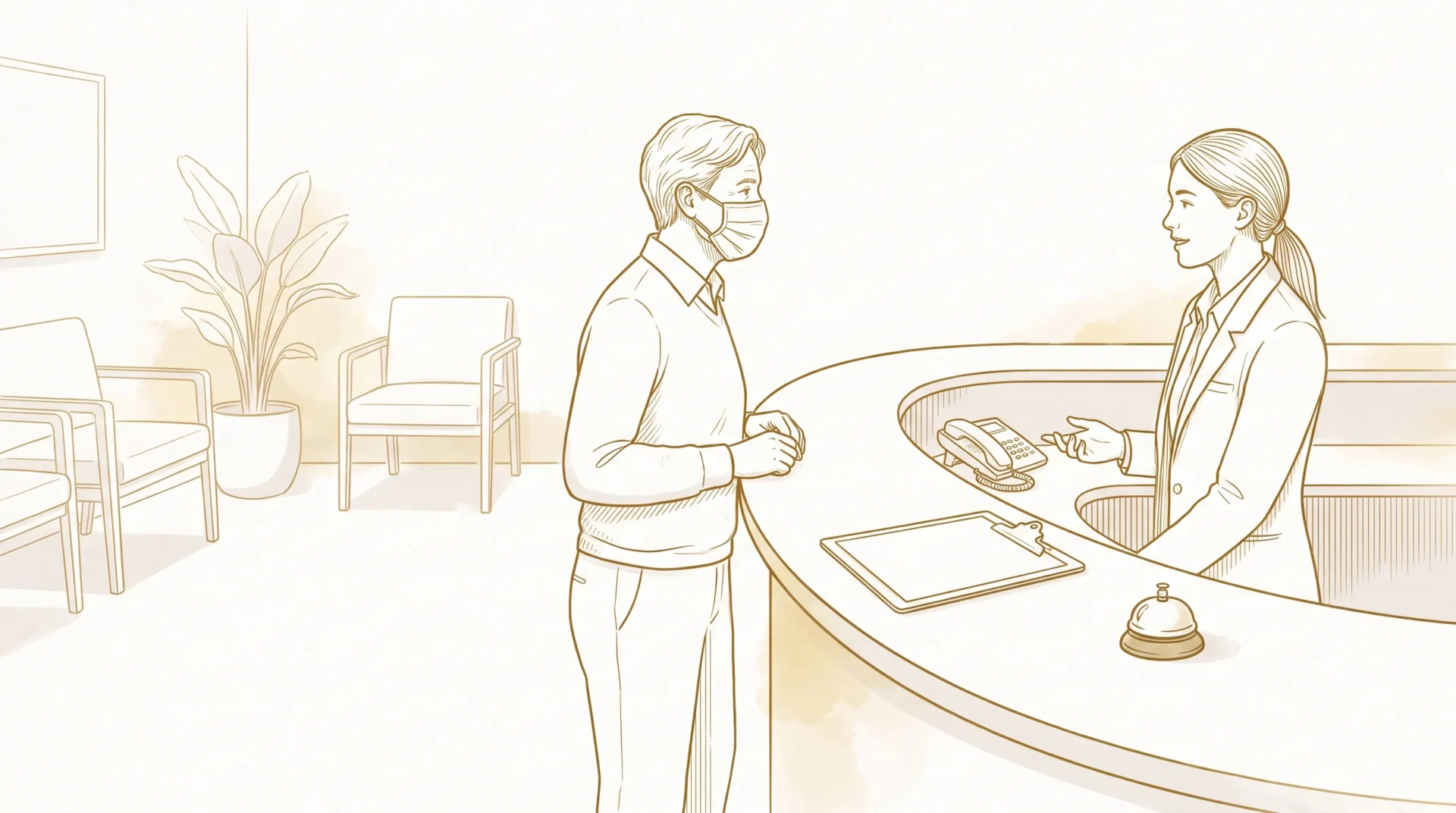
How to Book a Teeth Cleaning Appointment
1 September 2026 | General Dentistry, Preventative Dentistry, Teeth Cleaning
If you searched for “book appointment for teeth cleaning”, you are likely ready to arrange a routine dental clean and want to know the easiest way to do it. In most cases, booking is straightforward: choose a dental clinic, explain whether you want a clean only or a check-up and clean, share any symptoms or medical considerations, then confirm the appointment time, fees and payment options.
A professional teeth clean may be recommended as part of routine dental care, or when plaque, tartar, staining or gum concerns need assessment. It is not a one-size-fits-all appointment. Your dentist or oral health professional can check your teeth and gums first, then explain what type of care may be suitable for your circumstances.
How to book appointment for teeth cleaning in Geelong
For patients in Geelong, Newtown, Geelong West, East Geelong, Belmont, Highton and nearby areas, the basic booking process is much the same whether you book online or by phone.
- Choose the type of appointment: Ask whether you should book a teeth clean on its own, or a check-up and clean together. If you have not seen a dentist for a while, a check-up may be recommended before or during the clean.
- Share the reason for your visit: Let the clinic know if it is a routine clean, if your gums bleed, if you have sensitivity, if you have visible tartar, or if you have a specific concern.
- Mention relevant health information: Tell the team if you are pregnant, take blood-thinning medication, have diabetes, have a heart condition, have allergies, or have been advised to take antibiotics before dental treatment.
- Ask about timing and fees: Appointment length and cost can vary depending on whether you need an examination, X-rays, a routine clean, gum treatment or follow-up care.
- Confirm your booking details: Add the date, time, location and any pre-appointment instructions to your calendar.
Geelong Dental Centre offers online appointment booking, so you can choose a suitable time without needing to call during business hours. If you are unsure which appointment type to select, phoning the clinic can be useful because the team can help direct your booking based on what you describe.
What type of teeth cleaning appointment should you book?
Many people use “teeth cleaning” to describe a few different dental appointments. When booking, it helps to know what you may be asking for.
A routine professional clean often includes scaling, which removes plaque and hardened tartar, also called calculus, from around the teeth and gumline. It may also include polishing to remove some surface staining and smooth the tooth surfaces. Fluoride may be discussed for some patients, depending on their oral health needs.
If there are signs of gum disease, a standard clean may not be enough. Your dentist may recommend a more detailed gum assessment or staged periodontal treatment. Periodontal means relating to the gums and supporting structures around the teeth. This is why an examination is often useful, especially if you have bleeding gums, gum recession, loose teeth or have not had dental care for some time.
If you would like a clearer idea of what happens once you are in the chair, Geelong Dental Centre has a separate guide on what happens during a professional teeth clean.
When should you book a teeth cleaning appointment?
You do not need to wait until something feels wrong to book. A teeth cleaning appointment can be part of preventive care, where your dental team checks for early signs of tooth decay, gum inflammation, wear, cracking or other oral health concerns.
You may consider booking a dental clean if:
- It has been a while since your last check-up or professional clean.
- Your gums bleed when brushing or cleaning between your teeth.
- You can feel rough deposits around your lower front teeth or molars.
- You notice persistent bad breath or an unpleasant taste.
- You have surface staining from tea, coffee, red wine or smoking.
- You are starting orthodontic treatment such as aligners and have been advised to keep your teeth and gums well maintained.
Some symptoms need a different type of appointment. Toothache, swelling, dental trauma, a broken tooth, fever with facial swelling, or uncontrolled bleeding should be discussed promptly with a dental professional. If you are unsure whether your concern is routine or more urgent, the guide on when to book a dental appointment may help you decide what to tell the clinic when you call.
Online booking, phone booking or booking after another visit?
The easiest booking method depends on how clear your needs are. Online booking is convenient for many routine appointments, while phone booking may be better if you have symptoms or questions.
| Booking method | Often useful when | What to prepare |
|---|---|---|
| Online booking | You want a routine check-up and clean, or you already know the appointment type you need | Your preferred date, contact details and any notes about your visit |
| Phone booking | You have pain, swelling, bleeding gums, dental anxiety, complex medical history or uncertainty about the right appointment | A brief description of symptoms, medications, health conditions and availability |
| Booking during another visit | Your dentist has recommended a review, follow-up clean or ongoing gum care | The timeframe suggested by your dentist and any treatment plan details |
If you are booking for a child, an older family member, or someone with additional needs, mention this when arranging the appointment. The clinic may need to allow extra time or note practical considerations before the visit.
Keeping appointment details in one place can also help if you are juggling other professional commitments, such as work meetings, school interviews or a matter with a lawyer in Eindhoven. The aim is simply to reduce double-booking and make it easier to arrive with the information you need.
What information should you give when you book?
You do not need to know the technical dental terms. A simple explanation is enough.
For example, you might say, “I would like to book a check-up and clean. My gums sometimes bleed when I brush,” or “I am due for a routine clean and I have some sensitivity on one side.” This gives the team a better idea of whether a standard appointment may be suitable, or whether the dentist may need to allow for assessment of a particular issue.
Useful information to mention includes:
- Whether you are a new or existing patient.
- When you last saw a dentist, if you remember.
- Any pain, swelling, sensitivity, bleeding, broken teeth or loose teeth.
- Current medications and relevant medical conditions.
- Pregnancy, allergies or previous reactions to dental materials or medicines.
- Whether you feel anxious about dental visits.
- Whether you have private health insurance and would like to ask about claiming.
If you have recent dental X-rays from another clinic, ask whether they may be useful. In some cases, the clinic may request them with your permission. X-rays are not always needed for every visit, but they may be recommended when your dentist needs more information than they can see during an examination.

Should you book a clean only, or a check-up and clean?
A check-up and clean are commonly booked together because they address different parts of your oral health.
The clean focuses on removing plaque, tartar and some surface staining. The check-up allows the dentist to assess your teeth, gums, bite, existing fillings, crowns, implants, dentures or other dental work. Your dentist may also check for signs of oral disease and discuss home care habits.
A clean-only booking may be suitable in some circumstances, such as when you are already under regular care and have been advised to return for hygiene maintenance. However, if you are a new patient, have symptoms, have not had a dental examination recently or are unsure about your gum health, a check-up may be recommended.
The Australian Dental Association’s patient information website, Teeth.org.au, provides general oral health information for the public, including guidance on brushing, cleaning between teeth and dental visits. Your own recall interval should still be based on individual advice from your dentist, as some people need more frequent care than others.
What happens after you book?
After your appointment is confirmed, you may receive a reminder by SMS, email or phone, depending on the clinic’s system. If you need to change the appointment, contact the clinic as early as practical so the time can be offered to another patient.
Before your visit, continue brushing and cleaning between your teeth as you normally would. You do not need to brush aggressively before a clean, as this can irritate the gums. If your gums bleed, still mention it at the appointment rather than trying to hide it. Bleeding gums can have several causes and a dental assessment can help identify what may be contributing.
Bring any items that may be relevant to your appointment, such as:
- Your private health insurance card, if you have one.
- A list of medications, including supplements.
- Details of allergies or medical conditions.
- A mouthguard, retainer, denture or aligner, if you wear one.
- Previous dental records or X-rays, if requested.
If you feel nervous, say so when booking or when you arrive. Dental anxiety is common and there is no need to apologise for it. The team can explain what is happening before treatment proceeds and discuss ways to make the appointment more manageable.
What should you ask about fees and payment options?
Dental fees vary because the appointment may include different services. A new patient check-up and clean may involve a different fee from a maintenance clean for an existing patient. X-rays, fluoride, gum charting or additional treatment planning may also affect the final cost.
Before confirming your appointment, you can ask:
- What is included in the appointment I am booking?
- Is the fee different for a check-up and clean compared with a clean only?
- Might X-rays be recommended, and how are fees explained if they are needed?
- Can I receive item numbers to check with my private health insurer?
- What payment options are available?
Geelong Dental Centre emphasises clear communication and flexible payment options. A dental examination can also help clarify whether any further treatment is being recommended, why it may be considered and what alternatives may be available. You should have the opportunity to ask questions before agreeing to treatment.
Booking for children, teens or family appointments
Children can benefit from becoming familiar with dental visits from a young age, but their appointment needs may differ from adults. A child’s visit may focus on checking tooth development, brushing habits, diet, fluoride exposure, early decay risk and any concerns such as tooth grinding or thumb sucking.
If you are booking for multiple family members, ask whether appointments can be scheduled close together. This is not always possible, but it can make planning easier. For children or teens with braces, aligners, mouthguards or retainers, bring these appliances to the visit if relevant.
If your child has toothache, swelling, dental trauma or a knocked tooth, tell the clinic clearly when booking. That may change the urgency or type of appointment recommended.
What if you have not had a clean for a long time?
Many people delay dental visits because of cost concerns, busy schedules, anxiety or previous uncomfortable experiences. If it has been years since your last appointment, you can still book. The dentist may simply need to spend more time assessing your current oral health before recommending a cleaning approach.
In some cases, tartar build-up or gum inflammation means treatment may need to be staged across more than one visit. Temporary tenderness, sensitivity or bleeding can occur during or after cleaning, particularly if the gums are inflamed. Your dental team can explain possible benefits, risks and limitations before treatment starts.
No article can tell you exactly what you need without an examination. Your suitability for any treatment depends on factors such as gum health, tooth condition, medical history, medications, oral hygiene habits and individual preferences.
Planning your visit to a Geelong dentist
If you are booking in Geelong, consider practical details such as travel time, parking, work commitments, school pick-up times and whether you need an appointment before or after business hours. If you are a new patient, allow time for forms and discussion of your medical history.
A first visit may include an examination, discussion of your concerns, possible X-rays if clinically indicated, a clean if suitable and advice about home care. If more complex treatment is needed, your dentist may recommend a separate appointment to discuss options properly. For a broader overview of the appointment process, you may find it useful to read about what to expect when visiting a Geelong dentist.
Frequently asked questions
How do I book a teeth cleaning appointment in Geelong? You can usually book online or by phone. Choose a routine clean or check-up and clean if you know what you need, or call the clinic if you have symptoms, medical considerations or questions about the right appointment type.
How often should I book a professional teeth clean? The right interval varies. Some people are advised to attend every six months, while others may need more or less frequent visits depending on gum health, decay risk, medical history, oral hygiene and previous dental treatment.
Can I book a teeth clean if my gums bleed? Yes, but mention the bleeding when you book. Bleeding gums can have different causes, including gum inflammation, brushing technique, medication effects or other factors. A dentist can assess what may be contributing.
Will a teeth clean whiten my teeth? A professional clean may remove some surface staining, which can make teeth look cleaner or brighter. It does not change the natural colour of the tooth in the same way as teeth whitening treatment. Whitening suitability should be assessed separately.
Is teeth cleaning uncomfortable? Experiences vary. Some people feel little discomfort, while others notice sensitivity or tenderness, especially if there is gum inflammation or heavy tartar build-up. Tell the dental team if you are sensitive or anxious so they can discuss what may help.
Can I eat before a teeth cleaning appointment? In most cases, you can eat before a routine dental clean unless the clinic gives you different instructions. Brushing beforehand is fine, but there is no need to scrub hard. If you have a medical condition that affects eating or medication timing, ask for guidance when booking.
Ready to arrange a teeth cleaning appointment?
A dental examination can help determine whether a routine clean, check-up and clean, gum assessment or another appointment type may be appropriate. If you would like to arrange care in Geelong, you can book an appointment with Geelong Dental Centre and share any concerns when making your booking.
Your dentist can assess your oral health, explain the potential benefits, risks and alternatives, then discuss options based on your individual needs.
Disclaimer
The information provided on this website is for general informational and educational purposes only. It is not intended to replace professional dental advice, diagnosis or treatment. Dental needs and treatment outcomes vary between individuals. Always seek advice from a qualified dental practitioner regarding your specific circumstances before making decisions about your oral health or treatment. A consultation and clinical assessment are required to determine which treatment options may be suitable for you. All dental procedures carry potential risks and benefits, which will be discussed with you before treatment.