What to Ask at a Dental Implant Consultation
2 September 2026 | Cosmetic Dentistry, Dental Fees & Financing, General Dentistry
If you have searched for a dental implant nearby, your first appointment should help you understand whether implant treatment may be suitable for you, not pressure you into a decision. A consultation is a chance to ask clear questions about your oral health, the procedure, possible alternatives, costs, risks and what ongoing care may involve.
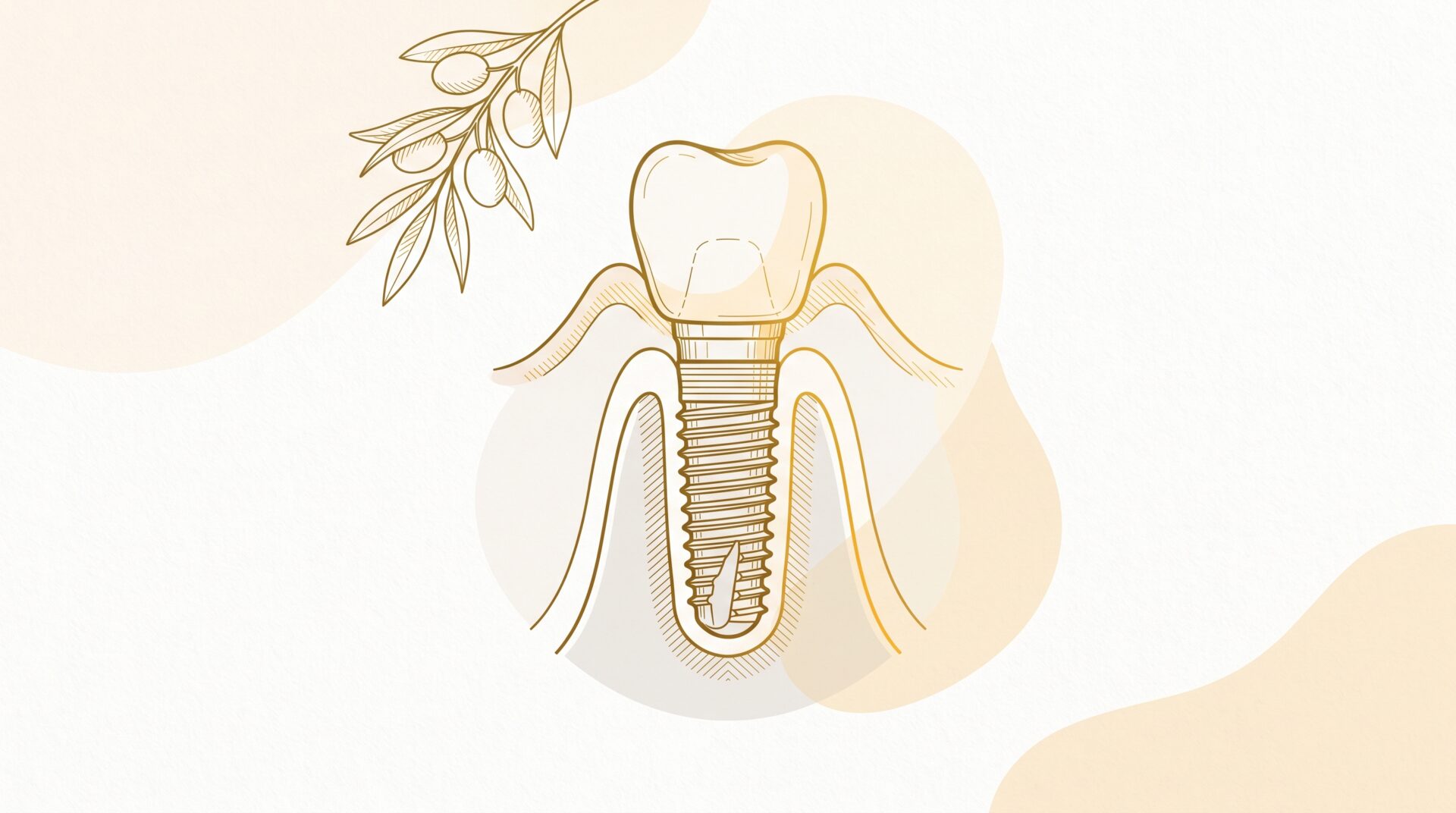
Dental implants can be considered for replacing one or more missing teeth. They usually involve placing a small fixture, often made from titanium, into the jaw bone. Over time, the bone may integrate with the implant in a process called osseointegration. A crown, bridge or full-arch restoration can then be attached, depending on the treatment plan.
Implant treatment is not suitable for everyone. Your dentist needs to assess your teeth, gums, jaw bone, medical history, habits and goals before discussing whether it may be an appropriate option.
Searching for a dental implant nearby? Start with these key questions
A good implant consultation should give you practical information, not vague reassurance. If you are in Geelong or nearby areas such as Newtown, Geelong West, East Geelong, Belmont or Highton, it can be helpful to choose a clinic where you feel comfortable asking questions and where the treatment plan is explained in plain language.
If this is your first visit to a new dental clinic, you may also find it useful to read about what to expect when visiting a Geelong dentist before your appointment.
At your implant consultation, consider asking:
- Am I a suitable candidate for dental implants?
- What other treatment options could be considered?
- What scans or records are needed before planning treatment?
- What are the possible risks in my situation?
- What is included in the quoted fee?
- How long might the process take?
- What ongoing maintenance will I need?
You do not need to remember every question on the spot. Bringing notes can make the appointment easier, especially if you are comparing options or feeling unsure.
Questions about your suitability for dental implants
Before discussing implant surgery, your dentist needs to understand the reason for the missing or failing tooth. A tooth that feels beyond saving may still need assessment, as options such as a filling, crown, gum treatment or root canal treatment may be considered in some situations. In other cases, removing the tooth and planning a replacement may be discussed.
Ask your dentist: “What is the main problem we are trying to solve?” This keeps the conversation focused on diagnosis and suitable options, rather than jumping straight to a procedure.
You can also ask: “Do I have enough jaw bone and healthy gum tissue for an implant?” When a tooth has been missing for some time, the surrounding bone can change. Some patients may need additional procedures such as bone grafting before or during implant treatment. Others may not be suitable for an implant in a particular area because of anatomy, gum health or medical factors.
Your medical history also matters. Diabetes, smoking, some medications, previous radiation therapy, immune conditions and gum disease can influence healing and implant planning. These factors do not automatically rule out implant treatment, but they may affect timing, risks or whether another option is more appropriate.
Useful questions include:
- “Are there any health conditions or medications that affect my treatment options?” Your dentist can explain whether further medical information is needed before planning care.
- “Does gum disease need to be treated first?” Healthy gums and good plaque control are important because inflammation around an implant can lead to complications.
- “What happens if I am not suitable for an implant?” A balanced consultation should include alternative ways to replace or manage a missing tooth.
Questions about implant options and alternatives
A dental implant is one possible treatment, not the only one. Depending on your mouth and goals, your dentist may also discuss a dental bridge, removable denture, repairing an existing tooth or choosing not to replace a tooth straight away.
| Option discussed | What it may involve | Questions to ask |
|---|---|---|
| Single dental implant | An implant supports one replacement tooth | “Is this suitable for the gap I have, and what would the stages involve?” |
| Implant-supported bridge | Implants support more than one replacement tooth | “How many implants may be needed, and why?” |
| Removable denture | A removable appliance replaces one or more teeth | “Would this be a temporary or longer-term option for me?” |
| Dental bridge on natural teeth | A fixed bridge uses neighbouring teeth for support | “How would this affect the teeth beside the gap?” |
| No immediate replacement | Monitoring or delaying treatment | “What are the possible effects of waiting?” |
It is reasonable to ask why your dentist is recommending one option over another. The answer should relate to your oral health, bone levels, bite, cleaning ability, medical history and preferences.
For general consumer dental information, the Australian Dental Association’s Teeth.org.au website can be a helpful starting point. It does not replace an examination, but it can help you understand common dental terms before your consultation.
Questions about the procedure, timing and scans
Implant treatment is usually planned over several stages. These may include a consultation, X-rays, three-dimensional imaging such as a cone beam CT scan if needed, tooth removal if required, implant placement, healing time, impressions or digital scans, then fitting the final tooth or teeth.
Not every patient follows the same timeline. Some people may need gum treatment, extractions or grafting before an implant is placed. Others may be suitable for a different staged approach.
Ask your dentist:
| Question | Why it matters |
|---|---|
| “What records or scans do you need before confirming my treatment plan?” | Implant planning depends on bone volume, nearby nerves, sinus position, bite and gum health. |
| “Will I need any treatment before implant placement?” | Gum treatment, fillings, extractions or grafting may be needed before implant treatment can proceed. |
| “How many appointments may be involved?” | This helps you plan time, travel and costs. |
| “Will I have a temporary tooth during treatment?” | Some areas of the mouth may need a temporary replacement for function or appearance. |
| “What discomfort, swelling or downtime should I reasonably expect?” | Recovery varies, and your dentist can discuss what may apply to your procedure. |
Avoid relying on a treatment timeline until your dentist has completed the necessary assessment. A quick estimate can change once scans, gum health and bite factors are reviewed.
Questions about risks and limitations
All dental procedures carry potential risks and benefits. A dental implant consultation should include a clear discussion of possible complications, even if the overall plan seems straightforward.
Potential risks can include infection, bleeding, swelling, delayed healing, gum recession, damage to nearby structures, sinus involvement in the upper jaw, nerve-related symptoms, implant failure to integrate with the bone, screw loosening, crown chipping or the need for further procedures. The relevance of each risk depends on your individual circumstances.
Ask: “Which risks are most relevant to my case?” This is more useful than asking for a generic list. For example, an upper back tooth may involve different planning considerations from a lower front tooth. A patient with untreated gum disease may have different risks from someone with stable gum health and good home care.
You can also ask: “What would happen if the implant does not integrate?” Your dentist can explain how this may be managed, what additional treatment may be needed and what costs or delays could apply.
Any claim that implant treatment is guaranteed, completely risk-free or suitable for everyone should be treated with caution. The AHPRA advertising guidance also makes clear that regulated health services should not be advertised using misleading claims or guarantees of outcome.
Questions about cost, payment options and what is included
Dental implant fees can vary because treatment plans differ. The total cost may depend on the number of implants, scans, extractions, grafting, temporary teeth, implant components, final crown or bridge design, follow-up visits and maintenance needs.
Rather than asking only for a single figure, ask for an itemised written estimate where possible. This can help you understand what is included and what may be separate.
Helpful questions include:
- “Does the estimate include the implant, abutment and final crown or prosthesis?” The abutment is the connector between the implant and the replacement tooth.
- “Are scans, surgical guides, temporary teeth or review appointments included?” These may or may not be part of the same estimate.
- “Could the cost change if grafting or additional treatment is needed?” Your dentist can explain what is known now and what may depend on findings during treatment.
- “What private health insurance item numbers apply?” Your health fund can advise whether any rebate may apply to your level of cover.
- “What payment options are available?” Ask for details in writing so you can make an informed decision.
If you are comparing implant providers across Victoria, look for clear information about treatment options, fees and payment arrangements. For example, some Victorian cosmetic dental practices such as Creative Smiles publish information about services including All-on-4, Invisalign and payment options. Online information can help you prepare questions, but it should not replace a personalised consultation.
For broader decision-making, you may also like to review how to choose a dental clinic in Geelong, especially if you are comparing communication, fees, services and appointment convenience.

Questions about All-on-4 or full-arch implant treatment
If you are missing most or all teeth in one jaw, or you have several teeth that may not be restorable, your dentist may discuss full-arch options. All-on-4 is a type of full-arch implant treatment that often uses four implants to support a set of replacement teeth, although the exact plan can vary depending on anatomy and clinical needs.
Full-arch treatment is more complex than replacing a single tooth. It may involve extractions, surgical planning, temporary teeth, healing stages and later fitting of a final prosthesis. It also requires ongoing cleaning and maintenance.
If this option is raised, ask:
- “Why is full-arch treatment being considered in my case?” The reason should relate to tooth condition, gum health, function and your goals.
- “Are any teeth able to be kept?” Sometimes saving natural teeth may be possible, and sometimes removal may be recommended after assessment.
- “What will I wear during healing?” Temporary teeth may be part of some plans, but this should be confirmed for your situation.
- “How do I clean around the implants and bridge?” Cleaning needs can be different from natural teeth.
- “What repairs or maintenance may be needed over time?” Replacement teeth and implant components can wear, chip, loosen or need servicing.
Geelong Dental Centre provides implant dentistry, including All-on-4 options where clinically appropriate. A consultation is needed before any recommendation can be made.
Questions about aftercare and long-term maintenance
Dental implants still need regular care. They cannot decay like natural tooth enamel, but the gum and bone around them can become inflamed or infected. This is sometimes called peri-implant disease. Good brushing, interdental cleaning, regular dental reviews and professional maintenance can help reduce problems, but no treatment can remove risk completely.
Ask your dentist what maintenance would look like in your case. This may include how often to attend reviews, what cleaning tools to use, whether you need a mouthguard for grinding and how your dentist will monitor the implant over time.
You should also ask what symptoms to watch for after treatment. These may include increasing pain, swelling, bleeding, pus, a bad taste, loosening of the crown or bridge or a change in your bite. These symptoms do not always mean the implant has failed, but they should be assessed by a dentist.
If you currently have toothache, swelling, a broken tooth or signs of infection, do not wait for an implant consultation purely to discuss replacement options. A dental examination can help determine what is causing the problem and whether treatment is needed sooner. Geelong patients can read more about when to book a dental appointment if symptoms are changing or becoming harder to manage.
Red flags to watch for during an implant consultation
Most patients are not expected to know the technical details of implant dentistry. That is why communication matters. You should feel able to ask questions and receive answers that are specific to your situation.
Consider pausing or seeking another opinion if you are given guaranteed outcomes, pressured to decide immediately, discouraged from asking about alternatives or not given information about risks and fees. It is also reasonable to ask who will be involved in each stage of care and whether any part of treatment may require referral.
A clear treatment plan should explain the diagnosis, proposed treatment, alternatives, likely stages, fees, possible complications and maintenance. It should also allow time for you to consider the information before proceeding, unless urgent care is needed for pain, infection or trauma.
How to prepare before your appointment
A little preparation can make your implant consultation more useful. Before you attend, write down what you want to know and bring relevant health information.
Consider bringing:
- A list of current medications, supplements and allergies
- Details of medical conditions or recent surgeries
- Your private health insurance information, if you have cover
- Any recent dental X-rays, if available
- Notes about previous dental treatment that affected your comfort or confidence
- Questions about timeframes, costs, work commitments or travel
It can also help to think about your priorities. Some patients are most concerned about chewing function. Others are focused on avoiding a removable denture, managing costs or understanding surgical risks. There is no single right priority. Your dentist can explain which options may suit your oral health and circumstances.
Frequently Asked Questions
Is a dental implant consultation the same as agreeing to treatment? No. A consultation is usually an information-gathering and planning appointment. You can ask questions, review options and take time to consider the proposed treatment before deciding.
Can I get a dental implant if I have gum disease? Gum disease needs to be assessed and managed before implant treatment is considered. Active gum inflammation can affect healing and long-term implant health, so your dentist may recommend periodontal care first.
How long does dental implant treatment take? Timing varies between patients. It depends on whether you need extractions, grafting, healing time, gum treatment or a temporary tooth. Your dentist can give a more realistic timeframe after examining you and reviewing any required scans.
Are dental implants suitable for older adults? Age alone does not determine suitability. Your oral health, jaw bone, medical history, medications, ability to maintain cleaning and treatment goals are usually more relevant than age by itself.
What if I am nervous about implant treatment? Tell your dentist early in the consultation. They can explain the stages, discuss local anaesthetic and comfort measures, and let you know whether additional anxiety management options or referral pathways may be appropriate.
Should I get a second opinion before implant treatment? You may choose to seek another opinion, especially for complex treatment, full-arch treatment or if you feel unsure. A second opinion can help you compare explanations, risks, alternatives and costs.
Discuss dental implant options in Geelong
A dental implant consultation should leave you with a clearer understanding of your choices, including possible benefits, risks, limitations and costs. It should also confirm whether implant treatment is appropriate for your oral health, rather than assuming it is the right option.
To discuss your concerns, you can book an appointment with Geelong Dental Centre. Your dentist can assess your mouth, explain suitable options and help you make an informed decision based on your individual needs.
Disclaimer
The information provided on this website is for general informational and educational purposes only. It is not intended to replace professional dental advice, diagnosis or treatment. Dental needs and treatment outcomes vary between individuals. Always seek advice from a qualified dental practitioner regarding your specific circumstances before making decisions about your oral health or treatment. A consultation and clinical assessment are required to determine which treatment options may be suitable for you. All dental procedures carry potential risks and benefits, which will be discussed with you before treatment.