How a Family Dental Care Clinic Supports Different Ages
7 October 2026 | Children's Dentistry, General Dentistry, Preventative Dentistry
A family dental care clinic can support different ages by tailoring dental advice, check-ups and treatment options to the needs of babies, children, teenagers, adults and older patients. Rather than treating each visit as a separate event, family dental care looks at oral health over time, including habits at home, growth and development, medical history, lifestyle factors and any concerns that may run through a household.
For families in Geelong, this can make dental care easier to understand and manage. One child may need help building confidence in the dental chair, a teenager may be discussing aligners or sports mouthguards, while a parent may be managing gum health, a broken tooth or cosmetic concerns. The aim is not to recommend treatment for everyone, but to assess what is appropriate for each person.
What makes a family dental care clinic different?
The value of a family dental care clinic is not that every person receives the same care. It is that the dental team can adapt communication, prevention and treatment planning to different ages within the same household.
This may include child-friendly explanations, practical brushing advice for busy parents, discussions about diet and snacking, monitoring tooth wear in adults or reviewing dry mouth concerns in older patients. A clinic that sees several family members may also better understand shared routines, such as diet, sport, anxiety around dental visits or difficulty keeping regular appointments.
| Age group | Common focus | How dental care may help |
|---|---|---|
| Babies and toddlers | Early habits, teething and tooth decay prevention | Parent guidance, gentle checks and advice on brushing |
| School-aged children | Growth, hygiene, diet and dental injuries | Check-ups, fissure sealant discussions, mouthguard advice and preventive care |
| Teenagers | Orthodontic concerns, wisdom teeth and lifestyle habits | Alignment assessment, hygiene coaching and monitoring development |
| Adults | Gum health, restorations, emergencies and cosmetic goals | Examinations, treatment planning and options based on suitability |
| Older adults | Medication effects, tooth wear, dentures and implants | Oral health reviews, comfort checks and maintenance planning |
Babies and young children: building familiarity early
Early dental visits are often more about prevention and familiarity than treatment. A dentist can check tooth eruption, look for early signs of decay, discuss thumb sucking or dummy use and guide parents on brushing with age-appropriate fluoride toothpaste.
At this stage, a family dental care clinic can help parents understand what is normal, what needs monitoring and when a follow-up may be useful. Young children may also benefit from short, calm visits that let them become familiar with the dental setting before any complex care is needed.
Common topics for parents include:
- How to brush a toddler's teeth safely
- When to start cleaning between teeth
- Tooth-friendly snacks and drinks
- What to do after a bump to the mouth
- How to manage early dental anxiety without pressure
If a child has tooth pain, facial swelling, dental trauma or difficulty eating, professional assessment should not be delayed. The treatment suggested will depend on the child's age, symptoms, medical history and the tooth involved.
School-aged children and teenagers: prevention, growth and independence
As children become more independent, dental care often shifts towards habit building. Brushing technique, cleaning between teeth, sugary drink habits and sports-related dental injuries can all become relevant.
A family dental care clinic may also monitor how the adult teeth are coming through and whether orthodontic assessment could be appropriate. This does not mean every child will need braces or aligners. It simply allows concerns such as crowding, bite changes or delayed eruption to be assessed at the right time.
For teenagers, dental conversations may include wisdom teeth, mouthguards, vaping or smoking, oral piercings, tooth whitening and clear aligners. These topics should be discussed honestly, including possible benefits, limitations and risks. For example, Invisalign aligners may be suitable for some alignment concerns, but suitability depends on the teeth, bite, gum health and commitment to wearing aligners as advised.
Adults: balancing prevention, treatment choices and busy schedules
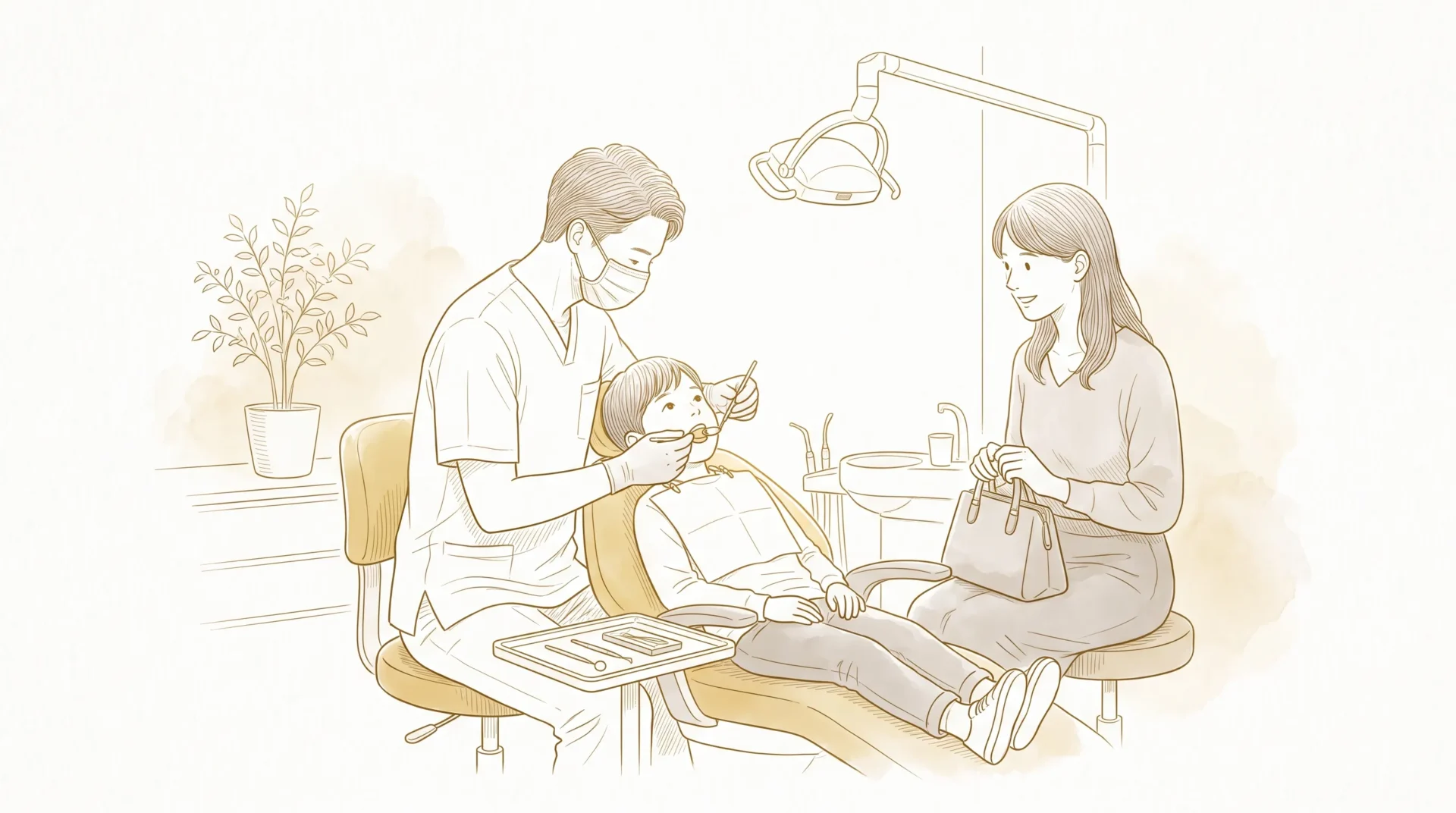
Adults often contact a dentist for different reasons, including routine check-ups, toothache, a cracked filling, bleeding gums, teeth grinding, cosmetic questions or missing teeth. A family dental care clinic can help by separating what is urgent, what can be monitored and what options may be considered after an examination.
Preventive visits may include checking the teeth, gums and soft tissues, reviewing home care habits and discussing X-rays only when clinically appropriate. If treatment is recommended, your dentist should explain the reason for the recommendation, alternatives, possible risks, expected maintenance and likely appointment sequence.
Adults may also ask about cosmetic dentistry, teeth whitening, crowns, veneers, implants or full smile restoration. These options are not suitable for every person. Oral health, bite, gum condition, existing restorations, medical history and expectations all matter. Treatment outcomes and experiences vary between patients, so an individual assessment is needed before deciding whether any option is appropriate.
If you are comparing local options, this guide to choosing a family dentist in Geelong outlines practical points such as communication, access and age-appropriate care.
Older adults: comfort, function and changing health needs
Dental needs can change with age, especially if a person takes medications, has reduced dexterity, lives with chronic health conditions or has past dental work that now needs review. Dry mouth, gum disease, tooth wear, loose dentures and difficulty chewing are common reasons older adults seek advice.
A family dental care clinic can support older patients by considering comfort, function and maintenance rather than focusing only on individual teeth. For some people, this may involve adjusting a denture, repairing a worn filling or managing gum inflammation. For others, dental implants or All-on-4 implant treatment may be discussed, although these options require careful assessment and are not appropriate for everyone.
Older adults may also benefit from practical home care adjustments. Electric toothbrushes, interdental brushes, fluoride products or modified denture care routines may be recommended depending on individual needs. If a person has a carer, family member or support person involved in appointments, consent and privacy should still be respected.
How one clinic can make care simpler for households
Family dental care is partly clinical and partly practical. Parents and carers often juggle school, work, sport, medical appointments and transport. Coordinating dental visits for more than one family member may reduce the number of separate trips and make follow-up easier to track.
Good household routines often work the same way as other preventive responsibilities, such as smoke alarm checks, car servicing or arranging home and business security planning before time away. Dental care can be added to that same rhythm: set reminders, keep a list of concerns and bring relevant medical or medication updates to appointments.
For day-to-day prevention, Geelong families may find it useful to review everyday dental care habits for the whole family, especially if brushing routines or snack habits have become inconsistent.
What an appointment may involve at different ages
A family dental care clinic will usually adjust the visit to the person's age, comfort level and reason for attending. A young child may need a short introductory appointment, while an adult with pain may need a more detailed assessment.
A routine appointment may include a discussion about symptoms, medical history and current medications, followed by an examination of the teeth, gums and soft tissues. X-rays may be recommended if the dentist needs more information that cannot be seen during the visual exam. Cleaning, fluoride application, fillings or other treatment may be discussed depending on the findings.
For families visiting Geelong Dental Centre, available services include general dentistry, children's dentistry, emergency dental care, cosmetic dentistry, Invisalign aligners, dental implants, All-on-4 implants, root canal treatment and teeth whitening. The suitability of any service depends on an assessment, and your dentist can explain the potential benefits, limitations and alternatives before treatment begins.
For a broader overview of the visit process, this article on what to expect from a family dental care centre may be helpful.
Benefits and limitations of family dental care
Seeing one clinic over time may help with continuity. The dental team can monitor changes, compare previous findings and understand factors that affect care, such as anxiety, medical conditions, past treatment experiences or family routines.
It can also make communication easier. Parents may receive consistent advice for children, teenagers can gradually take more responsibility and older adults can discuss maintenance in a familiar setting.
There are limits. Some people require referral to a dental specialist or another health practitioner for complex concerns. Not every service is suitable for every patient, and all dental procedures carry potential risks as well as possible benefits. A responsible dental plan should be based on examination findings, individual circumstances and informed consent.
When should a family member see a dentist?
A routine check-up interval varies from person to person. Some people need more frequent monitoring because of decay risk, gum disease, orthodontic treatment, medical conditions or a history of complex dental work. Others may be advised to attend less often. The Australian Dental Association's consumer site, Teeth.org.au, provides general oral health information for Australian patients, although individual advice should come from your own dentist.
A dental appointment should be considered if a family member has tooth pain, bleeding gums, swelling, a broken tooth, a knocked tooth, ongoing bad breath, loose adult teeth, jaw pain, a mouth ulcer that does not heal or difficulty chewing. These symptoms do not always mean something serious, but they are worth assessing.
For families in Geelong, Newtown, Geelong West, East Geelong, Belmont, Highton and nearby areas, local access can make it easier to seek advice before a dental concern becomes harder to manage.
Frequently Asked Questions
Is a family dental care clinic only for children? No. It can support children, teenagers, adults and older patients. The care provided should be adjusted to the person's age, oral health, medical history and reason for attending.
How often should each family member have a dental check-up? Check-up timing varies. Your dentist may recommend a timeframe based on decay risk, gum health, age, symptoms, previous treatment and general health.
Can several family members be seen on the same day? This may be possible depending on appointment availability and the type of care needed. It can be useful for busy families, although some visits may need separate appointments if treatment is more involved.
Does family dental care include cosmetic treatment? It can include discussions about cosmetic options such as whitening, veneers or aligners, but suitability requires an examination. Cosmetic treatment is optional and should be considered alongside oral health, risks, limitations and alternatives.
What should I bring to a family dental appointment? Bring Medicare or health fund details if relevant, a list of medications, information about medical conditions, any mouthguards, retainers or dentures and notes about symptoms or concerns.
Discuss age-appropriate dental care in Geelong
A family dental care clinic can provide practical support as dental needs change through childhood, adolescence, adulthood and later life. The right approach depends on individual circumstances, not a one-size-fits-all plan.
To discuss your family's oral health needs, you can arrange an appointment with Geelong Dental Centre in Geelong. A dental examination can help identify the cause of concerns and clarify which options may be appropriate.
Disclaimer
The information provided on this website is for general informational and educational purposes only. It is not intended to replace professional dental advice, diagnosis or treatment. Dental needs and treatment outcomes vary between individuals. Always seek advice from a qualified dental practitioner regarding your specific circumstances before making decisions about your oral health or treatment. A consultation and clinical assessment are required to determine which treatment options may be suitable for you. All dental procedures carry potential risks and benefits, which will be discussed with you before treatment.