What to Expect From a Family Dental Care Centre
11 September 2026 | Children's Dentistry, General Dentistry, Preventative Dentistry
If you are looking for a family dental care center, you are probably trying to find one dental team that can care for children, adults and older family members in a way that feels clear and manageable. In Australia, you may more often see the spelling family dental care centre, but the idea is the same: a clinic that can assess oral health, explain options and plan care suited to different ages, needs and budgets.
For many families in Geelong, a family dental centre is about convenience, familiarity and communication. It may mean booking routine check-ups for more than one family member, asking questions about a child’s first visit, discussing tooth pain promptly or exploring longer-term treatment options such as orthodontics, implants or cosmetic dentistry when appropriate.
What a family dental care center usually provides
A family dental centre is not a single treatment. It is a way of delivering dental care across different life stages, from early childhood through to older adulthood. The focus is usually on prevention, early assessment, practical treatment planning and helping patients understand what is happening in their mouth before decisions are made.
The exact services available vary between clinics, so it is worth checking before you book. A clinical examination is also needed before any dentist can advise whether a particular treatment is suitable for you or a family member.
Care that adapts to age and stage
Different ages often come with different oral health needs. Babies and toddlers may need advice about brushing, dummy habits and the timing of a first dental visit. School-aged children may need monitoring as adult teeth come through, along with fissure sealants or fluoride advice where appropriate. Teenagers may need support with sports mouthguards, orthodontic concerns or wisdom tooth monitoring.
Adults often attend for check-ups, cleans, fillings, gum care, cracked teeth, cosmetic concerns or missing teeth. Older adults may have additional considerations such as dry mouth, tooth wear, dentures, implants, medical conditions or medications that affect oral health.
For a broader age-by-age overview, Geelong Dental Centre has a helpful guide to family dental services for every stage of life.
Services you may be able to access in one place
A family dental care center may be convenient because several types of dental care can often be discussed with the same clinic. This does not mean every person needs every service, and it does not mean all treatments are suitable for all patients. It simply means your dentist can assess your oral health and explain what options may be available.
At Geelong Dental Centre, available services include general dentistry, emergency dental care, children’s dentistry, cosmetic dentistry, Invisalign aligners, dental implants, All-on-4 implants, root canal treatment, teeth whitening and online appointment booking.
Common family dental services may include:
- Dental check-ups and professional cleans
- X-rays when clinically needed
- Preventive advice for brushing, flossing and diet
- Fillings, crowns or other restorative care
- Gum health assessment and management
- Emergency assessment for pain, swelling or dental injuries
- Children’s dental appointments
- Cosmetic options such as whitening or aligner treatment, if suitable
- Missing tooth options such as bridges, dentures or implants, depending on individual circumstances
Your first visit: calm, practical information gathering
At a family dental care center, a first visit should feel more like a conversation and assessment than a rushed treatment session. Your dental team will usually want to understand your concerns, medical history, current medications, previous dental experiences and any goals you may have.
If you are booking for a child, it can help to mention their age, whether they have been to a dentist before and whether there are any worries about sitting in the chair. If you are booking for an older family member, it may be useful to bring a medication list or details of relevant health conditions.
| Part of the visit | What may happen | Why it matters |
|---|---|---|
| Health and dental history | You may be asked about medical conditions, medications, allergies and past dental care | This helps the dentist consider safety, comfort and treatment suitability |
| Main concerns | You can explain pain, sensitivity, cosmetic concerns or questions | This guides the examination and discussion |
| Oral examination | The dentist checks teeth, gums, bite, existing dental work and soft tissues | This helps identify concerns that may need monitoring or treatment |
| X-rays if needed | Dental X-rays may be recommended based on symptoms, history or examination findings | X-rays can help assess areas not visible during a visual examination |
| Discussion of options | Your dentist explains findings, possible options, risks, limitations and costs | This supports informed decision-making before treatment proceeds |
For children or anxious family members
Many people feel unsure about dental visits, especially if they have had a difficult experience in the past. A family dental centre should allow time for questions, explain what is happening and avoid pressuring patients into treatment before they understand their options.
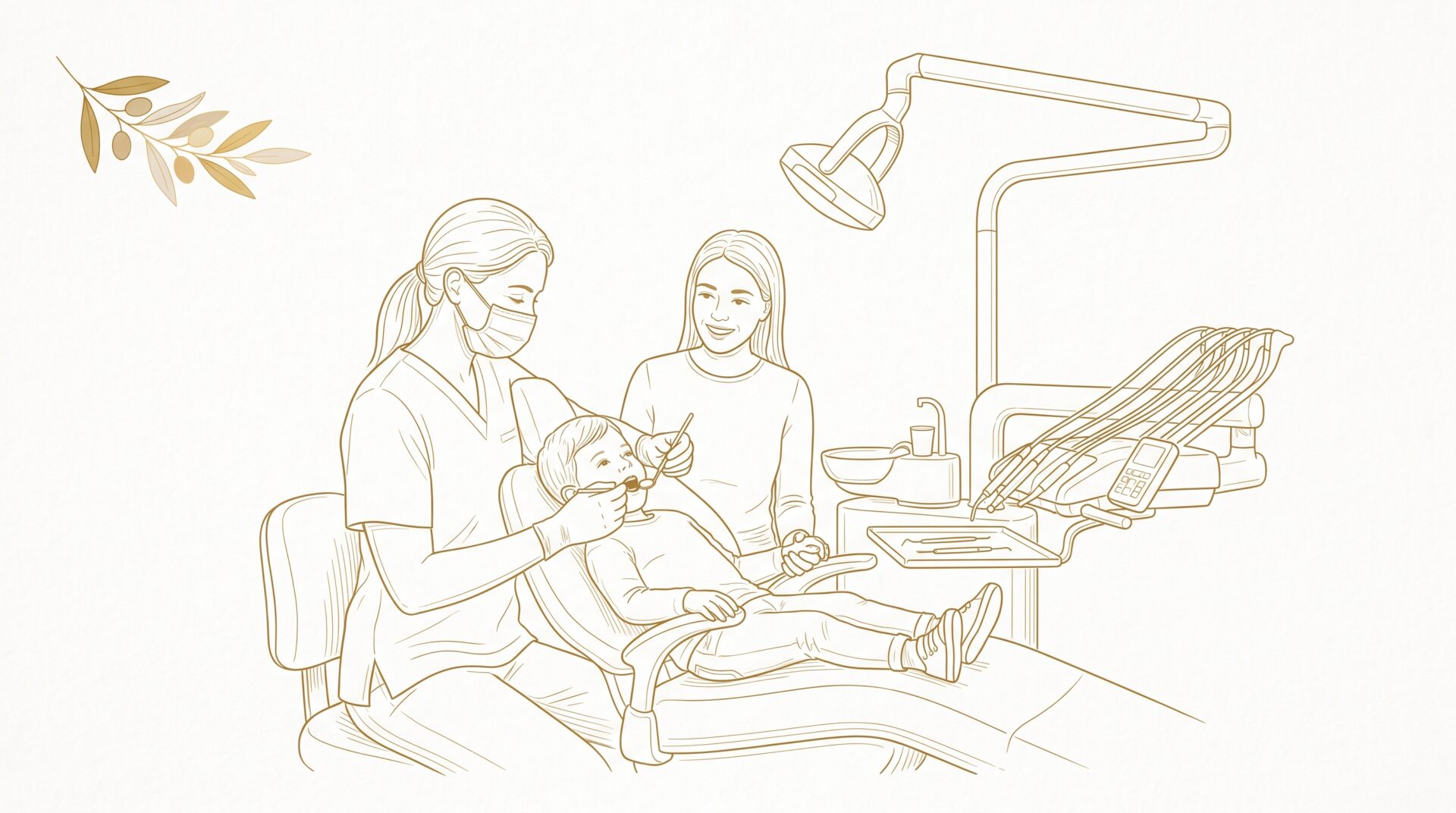
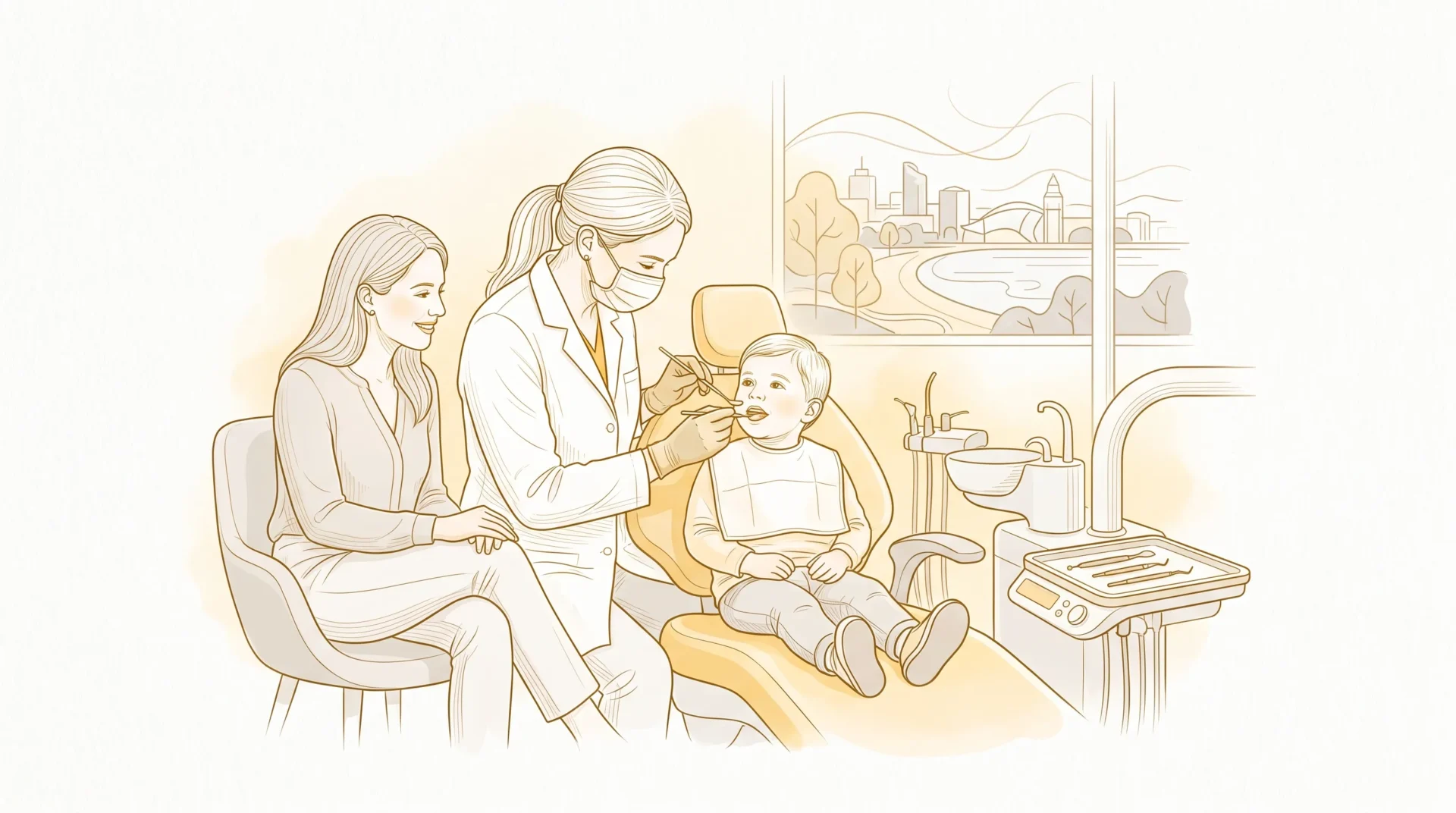
For children, the first appointment may be kept simple. The dentist might count the teeth, check the gums, discuss brushing and help the child become familiar with the dental chair. Treatment, if needed, is usually discussed with a parent or guardian first.
For adults who feel nervous, it is appropriate to tell the clinic when booking and again at the appointment. Your dentist can discuss ways to make the visit more manageable, such as agreed pauses, clear explanations and breaking care into stages where suitable.
What check-ups and cleans may involve
Preventive care is a common reason families attend a dental clinic. A check-up and clean may include an examination, gum assessment, scale and polish, oral hygiene advice and X-rays if they are clinically needed. Dental X-rays involve radiation exposure, so dentists consider the need for them based on your symptoms, age, oral health history and examination findings.
If you would like more detail about the usual steps, Geelong Dental Centre explains what a dental check-up and clean usually includes.
For many households, the value of a family dental care center is continuity. When the same clinic sees family members over time, the team may become familiar with dental history, previous treatment, preferences and oral health risks. This can make conversations about prevention more specific, although recommendations should still be based on each person’s individual needs.
The Australian Dental Association’s patient website, Teeth.org.au, also provides general oral health information for Australian patients, including guidance on brushing, flossing, diet and dental visits. For day-to-day routines at home, this local guide to everyday dental care habits for the whole family may also be useful.
Treatment planning, consent and individual suitability
At a family dental care center, treatment planning should be based on examination findings, your symptoms, your preferences and any relevant medical or dental history. A dentist may recommend monitoring, preventive care, a filling, a crown, root canal treatment, extraction or referral depending on the situation.
Cosmetic and restorative treatments require the same careful assessment. Teeth whitening, Invisalign aligners, dental implants and All-on-4 implants may be considered for some patients, but suitability depends on factors such as gum health, tooth structure, bite, bone levels, medical history, smoking status, oral hygiene and treatment goals.
All dental procedures have potential benefits, limitations and risks. These may include sensitivity, discomfort, treatment not progressing as expected, the need for further treatment, changes to appearance or bite and, for surgical procedures, healing complications or infection. Your dentist should explain the relevant risks and alternatives before you decide whether to proceed.
Fees, health funds and payment conversations
Dental costs vary because treatment needs vary. A short check-up is different from a complex restoration, root canal treatment, aligner plan or implant procedure. Before treatment begins, you can ask for an estimate and clarification about what is included, what may change and whether follow-up visits are likely.
If you have private health insurance, your rebate will depend on your policy, waiting periods, annual limits and the item numbers used. Some children may be eligible for support through the Child Dental Benefits Schedule. If you plan to use any benefit, it is sensible to ask the clinic about eligibility, claiming and out-of-pocket costs before the appointment.
Geelong Dental Centre notes flexible payment options as part of its patient care approach. The details of any payment arrangement should always be confirmed directly with the clinic before treatment.
When to seek dental advice sooner
Not every dental concern is an emergency, but some symptoms are better assessed promptly. If a family member has facial swelling, spreading gum swelling, significant toothache, dental trauma, uncontrolled bleeding, a broken tooth with pain or signs of infection, contact a dental clinic for advice as soon as practical.
If swelling affects breathing or swallowing, or if there has been a serious injury, call 000 or attend an emergency department. Dental clinics are appropriate for many urgent dental problems, but medical emergencies need immediate medical care.
Emergency dental care usually begins with assessment. The dentist may need to identify the cause of pain, take an X-ray, provide temporary care or discuss longer-term options. For example, toothache may relate to decay, a cracked tooth, gum infection, grinding, sinus pressure or another cause. An article cannot diagnose the issue, so an examination is needed.
Choosing a family dental care center in Geelong
Choosing a family dental care center in Geelong is partly about services, but it is also about communication, access and whether the clinic suits your household’s needs. Families in Newtown, Geelong West, East Geelong, Belmont, Highton and surrounding areas may consider travel time, appointment availability, parking, public transport and whether appointments can be coordinated for multiple family members.
Clear communication matters. You should feel able to ask what has been found, why treatment is being suggested, what alternatives exist and what may happen if treatment is delayed or not undertaken. Consent is not just a form to sign. It is a conversation about your circumstances, choices, risks and expected limitations.
If you are comparing local options, this guide to choosing a family dentist in Geelong covers useful questions about fees, communication, safety and appointment access.
Questions worth asking before you book
A few practical questions can help you understand whether a clinic is a good fit for your family:
- Do you see children, adults and older patients?
- Can you explain expected fees before treatment begins?
- What happens if a child is anxious or reluctant to open their mouth?
- Do you offer emergency dental appointments for pain or dental injuries?
- Can cosmetic or implant options be discussed after a full examination?
- Is online booking available?
- What payment options are available and what terms apply?
- Do I need to bring health fund details, medical history or a medication list?
How Geelong Dental Centre may fit into family care
The right family dental care center is one that helps you understand your oral health, not one that pushes a particular treatment before assessment. Geelong Dental Centre is a local dental clinic in Geelong offering general, cosmetic and implant dentistry for patients of different ages.
Depending on your needs, appointments may involve routine check-ups, children’s dental care, emergency assessment, Invisalign discussions, teeth whitening, root canal treatment, dental implants or All-on-4 implant discussions. A dentist can only advise what may be appropriate after examining your mouth, considering your health history and discussing your preferences.
If you are unsure what type of appointment to book, it is reasonable to contact the clinic and describe your concern. The team can advise whether a routine consultation, children’s appointment or emergency dental appointment may be the most appropriate starting point.
Frequently asked questions
What is a family dental care center? A family dental care centre is a dental clinic that provides care for people at different stages of life, such as children, teenagers, adults and older patients. Services may include check-ups, preventive care, fillings, emergency assessment and discussions about cosmetic or restorative options, depending on the clinic.
How often should my family visit the dentist? The right timing varies. Some people are advised to attend every six months, while others may need a different interval based on tooth decay risk, gum health, medical history and previous dental treatment. Your dentist can recommend a recall schedule after an examination.
What should I bring to a first family dental appointment? Bring your Medicare card if relevant, private health fund details if you have them, a list of medications, details of allergies and any dental records or X-rays you have been asked to provide. For children, it can help to bring comfort items and explain the visit in simple, calm language.
Can one clinic look after both children and adults? Many family dental clinics provide care for both children and adults. Some situations may require referral to another dental practitioner or specialist, depending on the complexity of the concern, the patient’s age, behaviour needs or medical history.
Are cosmetic or implant treatments suitable for everyone? No. Treatments such as whitening, aligners, dental implants and All-on-4 implants depend on oral health, gum condition, bone levels, medical history, expectations and other factors. Your dentist can assess whether an option may be suitable and explain risks and alternatives.
Discuss your family’s dental needs in Geelong
A dental examination can help determine the cause of symptoms and which options may be appropriate for you or a family member. To discuss routine care, children’s dentistry, emergency concerns or longer-term treatment options, you can book an appointment with the team at Geelong Dental Centre in Geelong.
Your dentist can assess your oral health, explain the potential benefits, risks and alternatives, and help you make an informed decision based on your individual circumstances.
Disclaimer
The information provided on this website is for general informational and educational purposes only. It is not intended to replace professional dental advice, diagnosis or treatment. Dental needs and treatment outcomes vary between individuals. Always seek advice from a qualified dental practitioner regarding your specific circumstances before making decisions about your oral health or treatment. A consultation and clinical assessment are required to determine which treatment options may be suitable for you. All dental procedures carry potential risks and benefits, which will be discussed with you before treatment.