
When to See a Dentist for Everyday Dental Care Needs
15 September 2026 | Children's Dentistry, General Dentistry, Preventative Dentistry
If you are wondering whether a dental concern is minor or worth checking, a dental care dentist can assess your teeth, gums and mouth before a small issue becomes harder to manage. Everyday dental care is not only about treating pain. It also includes routine check-ups, professional cleaning, preventive advice and timely care when something feels different.
For many people in Geelong, the hardest part is deciding when to book. You might have mild sensitivity, bleeding when brushing, a chipped tooth that does not hurt or simply a busy schedule that has pushed dental visits down the list. This guide explains when a dental appointment may be useful, what your dentist may look for and when a concern needs more prompt attention.
When a dental care dentist should be part of everyday care
Everyday dental care covers the routine and occasional appointments that help you keep track of your oral health. It can include a check-up, scale and polish, gum assessment, X-rays when clinically needed, fillings, advice for children’s teeth or a discussion about cosmetic and restorative options.
A routine visit may be worthwhile even if you do not have obvious symptoms. Tooth decay, gum inflammation and early cracks in teeth can sometimes develop quietly. A dental examination does not guarantee that future problems will be prevented, but it can help identify concerns earlier and give you clearer options.
The Australian Government’s Healthdirect service provides general information about dental care, including the role of prevention and professional advice. Your own recommended visit pattern may depend on your oral health, medical history, age, previous dental treatment, diet, smoking or vaping habits and how easily plaque builds up around your teeth.
Everyday signs that may mean it is time to book
Some symptoms do not need emergency care, but they should not be ignored for weeks or months. A dental care dentist may recommend an examination if symptoms are new, recurring or affecting eating, speaking, brushing or sleep.
| Situation | What it may suggest | Sensible next step |
|---|---|---|
| Mild tooth sensitivity | Enamel wear, gum recession, decay, cracks or recent dental treatment | Book a routine appointment if it continues or worsens |
| Bleeding gums when brushing | Gum inflammation, brushing technique issues or other health factors | Arrange a gum assessment, especially if bleeding is frequent |
| Food catching between teeth | A gap, broken filling, tooth shape change or gum change | Have the area checked before it becomes painful |
| Chipped tooth or lost filling | Exposed tooth structure or a weakened restoration | Book soon, even if there is no pain |
| Toothache or throbbing pain | Decay, infection, cracked tooth or another cause requiring assessment | Arrange prompt dental advice |
| Facial swelling, fever or trouble swallowing | Possible spreading infection or another urgent medical concern | Seek urgent dental or medical care. Call 000 if breathing or swallowing is affected |
This table is a guide only, not a diagnosis. Similar symptoms can have different causes, so a dentist needs to assess the area before recommending treatment.
If you have no pain, do you still need routine visits?
Pain is not the only sign of a dental problem. Gum disease can progress with little discomfort in the early stages. Decay can also be present before a tooth becomes sore. Regular appointments give your dentist the opportunity to check the teeth, gums, bite, jaw joints and soft tissues of the mouth.
For people with low dental risk, visits may be spaced differently from someone with a history of gum disease, frequent decay, dry mouth or complex dental work. A dental care dentist can suggest a recall interval based on your individual risk rather than a one-size-fits-all timetable.
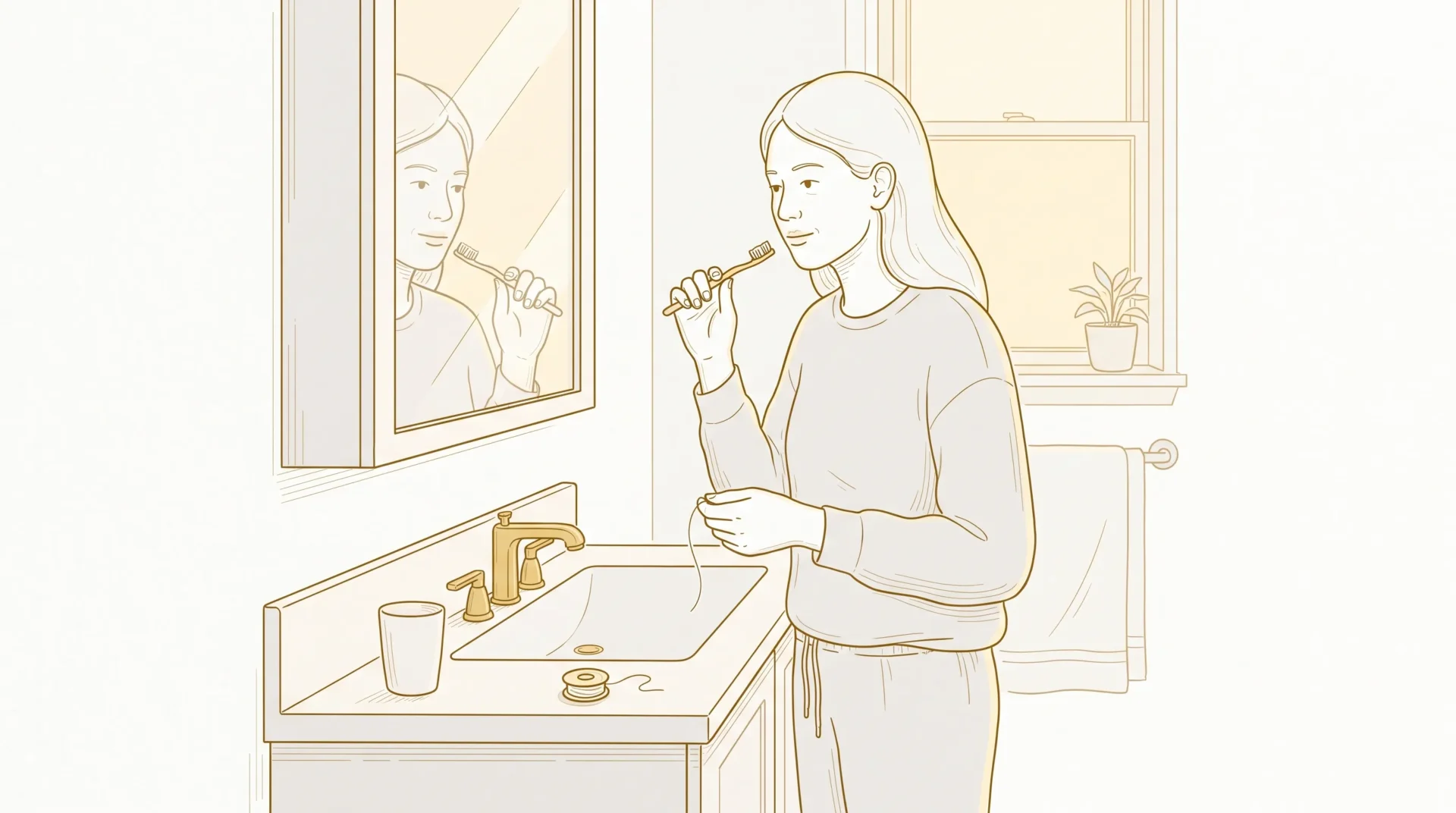
At home, daily habits still matter. Brushing twice a day with fluoride toothpaste, cleaning between teeth and limiting frequent sugary snacks or drinks can support oral health between visits. If you want practical family routines, Geelong Dental Centre has a separate guide to everyday dental care habits for the whole family.
Common everyday concerns worth mentioning at an appointment
A useful dental visit is not limited to the concern you first booked for. Small details can help your dentist understand what is happening and tailor advice to your needs.
Tooth sensitivity
Sensitivity to cold, sweet foods or brushing can occur for several reasons, including worn enamel, gum recession, tooth grinding, decay or a cracked tooth. Some sensitivity products may help in certain cases, but persistent or one-sided sensitivity should be assessed so the cause is not missed.
Bleeding or tender gums
Bleeding gums are common, but they are not something to dismiss if they happen regularly. They may be related to plaque build-up, gum inflammation, brushing technique, certain medications, pregnancy-related changes or other factors. A dental care dentist can check gum health, clean areas that are difficult to reach at home and discuss a realistic routine for cleaning between teeth.
Worn, chipped or cracked teeth
Small chips may not hurt straight away, but they can leave rough edges or weaken the tooth. Cracks can also be difficult to see without a dental examination. Treatment options vary and may include smoothing, a filling, a crown or monitoring, depending on the tooth, symptoms and how much structure remains.
Bad breath or a persistent bad taste
Bad breath can be linked with oral hygiene, gum inflammation, dry mouth, smoking, diet or medical causes. A dental appointment can help rule out common dental causes. If the cause appears to be non-dental, your dentist may suggest speaking with your GP.
What an everyday dental care appointment may involve
A routine appointment usually starts with a conversation about your concerns, medical history, medications and any changes since your last visit. Your dentist may ask about sensitivity, bleeding, jaw pain, grinding, snoring, diet, oral hygiene habits and previous dental treatment.
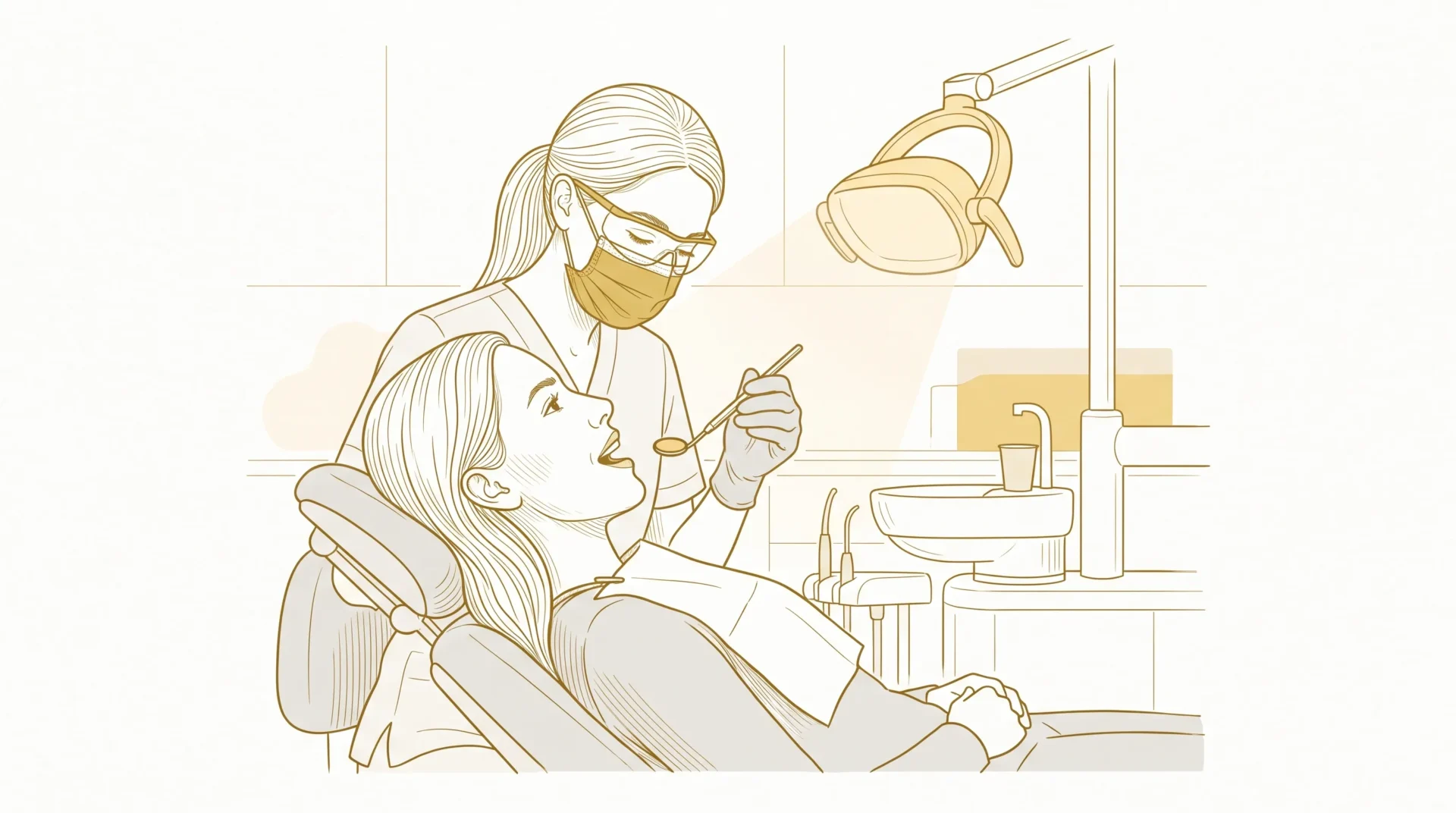
The examination may include checking each tooth, existing fillings or crowns, the gums, bite and soft tissues such as the tongue, cheeks and palate. X-rays may be recommended if they are clinically justified, for example to check between teeth or under existing restorations. They are not automatically needed at every visit.
If a professional clean is suitable, it may involve removing plaque and tartar, polishing the teeth and discussing areas that need extra attention at home. For a more detailed outline, you can read what a dental check-up and clean usually includes.
When to seek care sooner rather than waiting
Some dental symptoms are better assessed promptly. This does not mean you should panic, but waiting too long can sometimes limit your options or make treatment more involved.
Book sooner if you have tooth pain that lasts more than a day or two, swelling around the gum or face, a broken tooth, a knocked tooth, a lost filling with sharp edges, pus, fever or pain when biting. You should also arrange an assessment if an ulcer, red patch, white patch or lump in the mouth does not improve within about two weeks.
If a tooth is knocked out, urgent advice is important. Avoid scrubbing the tooth. If it is an adult tooth, it may sometimes be placed back in the socket if you can do so safely, or stored in milk while seeking urgent dental care. Baby teeth should not be replanted. If there is heavy bleeding, facial injury, trouble breathing or trouble swallowing, seek urgent medical care.
Children, teenagers and family dental needs
Children may need dental visits for more than toothache. A dentist can check how teeth are erupting, look for early decay, assess brushing difficulties and discuss habits such as thumb sucking, dummy use or mouth breathing when relevant.
Teenagers may need advice about wisdom teeth, sports mouthguards, orthodontic concerns, diet, vaping or tooth wear from grinding. For adults and older patients, everyday dental needs may include gum monitoring, dry mouth advice, care around crowns or implants and checking dentures or restorations.
A dental care dentist can adapt the appointment to the person’s age, comfort level and dental history. For families in Geelong, this can make it easier to keep track of different needs without assuming everyone should follow the same schedule.
What if you are considering cosmetic or restorative treatment?
Everyday dental care may also be the starting point for discussing cosmetic or restorative options, such as teeth whitening, Invisalign aligners, crowns, dental implants or All-on-4 treatment. These treatments are not suitable for everyone and should be considered only after an oral health assessment.
Before discussing appearance-focused changes, your dentist may need to check for decay, gum disease, bite issues or tooth wear. For example, whitening may not change the colour of fillings or crowns, aligners require healthy gums and implants depend on factors such as bone, gum health, medical history and smoking status.
All dental procedures carry potential benefits, limitations and risks. Your dentist should explain suitable options, likely costs, maintenance requirements and alternatives before you decide whether to proceed.
How to prepare for a routine dental visit
You do not need to have everything worked out before your appointment. It can help to bring a list of symptoms, when they started and what makes them better or worse. If you take medications, have allergies or have had recent medical treatment, let the dental team know.
If cost is a concern, ask for an estimate before treatment starts. Some care may be staged over more than one visit, depending on what is clinically appropriate and what you are comfortable with. Geelong Dental Centre offers flexible payment options, and the team can explain available arrangements before you make decisions about treatment.
Patients from Geelong, Newtown, Geelong West, East Geelong, Belmont, Highton and nearby areas may find it practical to choose a local clinic for ongoing care. Convenience is not the only factor, but it can make routine appointments easier to keep.
Frequently asked questions
How often should I see a dentist for everyday dental care? The timing varies. Some people may be advised to attend every six months, while others may need more or less frequent visits depending on their gum health, decay risk, medical history and previous dental treatment. Your dentist can recommend an interval after assessing your mouth.
Should I book if my tooth only hurts sometimes? Yes, intermittent pain can still be worth checking, especially if it happens when biting, wakes you at night or is becoming more frequent. The cause may be minor, but it needs an examination before that can be confirmed.
Can a dental appointment help with bleeding gums? A dentist can assess your gums, remove hardened tartar if needed and discuss cleaning techniques. Bleeding may improve with appropriate care, but the cause and response to treatment vary between patients.
Is a professional clean the same as a check-up? Not exactly. A check-up assesses your teeth, gums and mouth, while a professional clean removes plaque and tartar deposits. They are often done at the same visit when suitable.
What should I do if I feel nervous about seeing a dentist? Tell the clinic when booking or at the start of your visit. Your dentist can explain what is planned, pause when needed and discuss options that may make the appointment more manageable. Avoiding care for a long time can sometimes make problems more complex, so a conversation is a useful first step.
Arranging everyday dental care in Geelong
If you are unsure whether your concern needs a routine visit or more prompt attention, a dental examination can help clarify the cause and the options that may be appropriate. To discuss check-ups, symptoms, children’s dental care or treatment options, you can book an appointment with Geelong Dental Centre in Geelong.
A dental care dentist can explain findings in plain language, discuss potential benefits and risks, and help you make an informed decision based on your individual needs.
Disclaimer
The information provided on this website is for general informational and educational purposes only. It is not intended to replace professional dental advice, diagnosis or treatment. Dental needs and treatment outcomes vary between individuals. Always seek advice from a qualified dental practitioner regarding your specific circumstances before making decisions about your oral health or treatment. A consultation and clinical assessment are required to determine which treatment options may be suitable for you. All dental procedures carry potential risks and benefits, which will be discussed with you before treatment.