Geelong Family Dental Care: A Guide for Parents
15 September 2026 | Children's Dentistry, General Dentistry, Preventative Dentistry
Geelong family dental care is about making dental visits, home routines and treatment decisions manageable for the whole household, from a toddler’s first check-up to a teenager’s sports mouthguard or a parent’s overdue examination. For many parents, the main question is simple: how do you keep everyone’s teeth healthy without turning dental care into another source of stress?
The short answer is to focus on prevention, early advice and clear communication. Regular dental care does not mean every child needs treatment. Often, it is about checking development, spotting concerns early, answering parent questions and helping children become comfortable with dental visits over time.
What Geelong family dental care means for parents
Geelong family dental care usually brings together preventive, general and age-appropriate dentistry for children, teenagers and adults. A family-focused approach can be helpful when parents want one clinic to understand the needs of different family members, including young children, anxious patients, busy working adults and older relatives.
For parents, the value is often practical. You may want advice about brushing a preschooler’s teeth, when to start flossing, whether thumb sucking is affecting tooth position or how often a child should have a check-up. You may also want a dentist who can explain things clearly, avoid unnecessary treatment and discuss costs before care begins.
A family dental appointment may include a check of teeth, gums, bite development, jaw growth and oral habits. If treatment is recommended, your dentist should explain the reason, available options, possible risks, likely benefits and alternatives, based on the person’s individual oral health and circumstances.
When should children start seeing a dentist?
Many dental organisations encourage a first dental visit when a child’s first tooth appears or by around twelve months of age. This early visit is usually simple and gentle. It gives parents a chance to ask about teething, brushing, toothpaste, feeding habits and what to do if a tooth is injured.
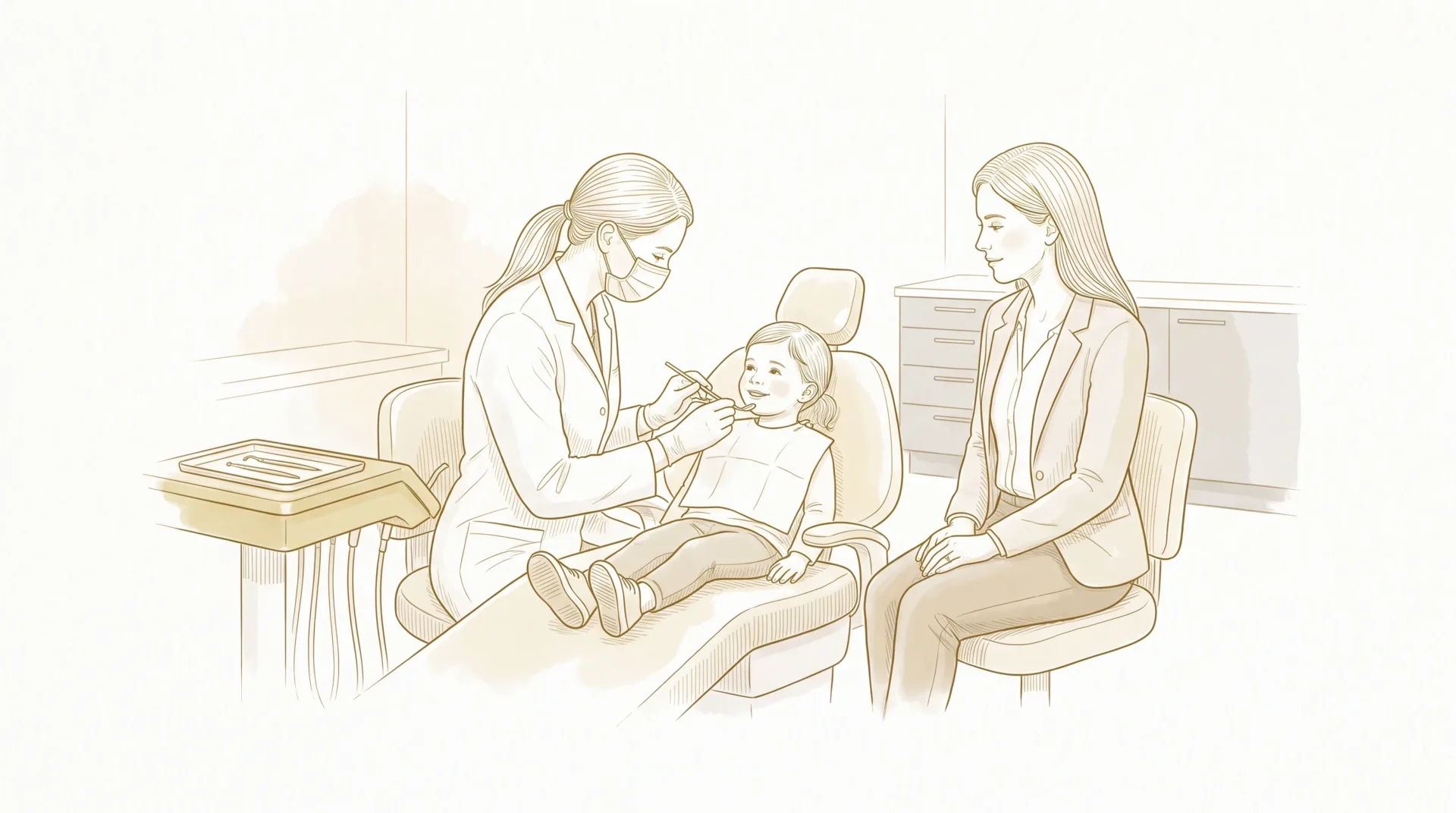
For Geelong family dental care, early appointments are less about doing treatment and more about building familiarity. A baby or toddler may sit on a parent’s lap while the dentist looks at the mouth, checks tooth eruption and discusses home care. Some children only manage a quick look at first, which can still be useful.
As children grow, appointment frequency depends on their risk of tooth decay, oral hygiene, diet, dental development, medical history and previous dental issues. Some children may be reviewed every six months, while others may need a different schedule. Your dentist can suggest an interval after assessing your child.
The Australian Dental Association’s public information site, Teeth.org.au, offers general oral health information for families, although individual advice should always come from a dentist who has examined the patient.
| Age or stage | What parents may discuss with the dentist | Common focus |
|---|---|---|
| Baby and toddler | Teething, first teeth, brushing, dummy use, feeding patterns | Early advice and familiarity |
| Preschool | Toothbrushing help, toothpaste amount, snacks, dental development | Prevention and habit building |
| Primary school | Fissure sealants, mouthguards, tooth eruption, cleaning between teeth | Monitoring growth and decay risk |
| Teen years | Braces or aligner questions, wisdom teeth, sports injuries, diet, oral hygiene | Independence and risk management |
| Parents and carers | Gum health, worn teeth, fillings, cosmetic concerns, missing teeth | Ongoing maintenance and treatment planning |
Everyday habits that make the biggest difference
Good home routines do much of the heavy lifting between appointments. For children, consistency matters more than perfection. Parents usually need to brush for young children, then supervise until the child has the coordination and attention to clean properly on their own.
A practical Geelong family dental care routine may include brushing twice a day with age-appropriate fluoride toothpaste, helping children clean all tooth surfaces and encouraging water as the usual drink. The right toothpaste amount and timing can vary by age, so ask your dentist if you are unsure what is suitable for your child.
Cleaning between teeth becomes more relevant when teeth touch. For some children, flossing is difficult at first, and parents may need to help. Your dentist can show a technique that suits your child’s mouth, rather than expecting your family to work it out alone.
Food and drink choices also matter. Frequent snacking on sweet foods or sipping sugary drinks can increase the time teeth are exposed to acid. This does not mean families need to be unrealistic or restrictive. It usually means keeping sweet foods to mealtimes where possible, choosing tooth-friendly snacks more often and avoiding children going to bed with bottles containing milk, juice or sweet drinks.
If you want a more detailed routine you can adapt at home, Geelong Dental Centre has a practical guide to everyday dental care habits for the whole family.
What happens at a family dental appointment?
Parents often feel more relaxed when they know what an appointment may involve. A check-up usually starts with questions about symptoms, medical history, brushing habits, diet, previous dental experiences and any concerns the patient wants to discuss.
During a child’s appointment, the dentist may count the teeth, check the gums, look at the bite and assess how adult teeth are developing. X-rays are not taken automatically for every child. They may be recommended only when the dentist needs information that cannot be seen by looking in the mouth, such as checking decay between teeth or monitoring development.
For adults, Geelong family dental care may involve a broader review of gum health, fillings, worn teeth, tooth sensitivity, missing teeth, cosmetic concerns or jaw discomfort. A professional clean may be recommended depending on plaque, calculus, gum condition and individual needs.
If a dental issue is found, the next step should be a clear explanation. Parents should feel able to ask what the problem is, whether treatment is needed now or can be monitored, what the alternatives are, what the risks may be and what costs are involved. For a general overview of the appointment process, see this guide on what to expect when visiting a Geelong dentist.
Understanding costs, eligibility and public dental options
Dental costs can be a real consideration for families. Fees vary depending on the type of appointment, whether X-rays are needed, what treatment is recommended and whether private health insurance or government support applies. A dental clinic should be able to discuss estimated fees before treatment proceeds.
For some children, the Child Dental Benefits Schedule may help cover certain basic dental services. Eligibility is set by the Australian Government and is linked to Medicare and certain family tax or government payment requirements. Because details can change, parents should check the current information on the Services Australia Child Dental Benefits Schedule page or ask the clinic before booking.
There are also public and community dental options in Victoria, although availability, eligibility and wait times can vary. For families comparing private care, public care and government-supported services, this article on community dental care options for Geelong families explains the main pathways in more detail.
When considering Geelong family dental care, it is reasonable to ask about payment options, treatment stages and whether care can be prioritised according to urgency. Not every concern needs immediate treatment, and a dentist can explain what can be monitored and what should be addressed sooner.
Helping children who feel nervous about the dentist
Dental anxiety is common in children and adults. Some children feel worried because of unfamiliar sounds, lying back in the chair, sensory sensitivities or previous medical experiences. Others simply need more time to understand what is happening.
A calmer Geelong family dental care experience often starts before the appointment. Parents can use simple, neutral language such as “the dentist will count your teeth” instead of detailed descriptions that may worry a child. It can also help to book at a time of day when the child is usually rested and fed.
At the appointment, tell the dental team if your child is anxious, neurodivergent, sensitive to noise or needs extra time. Depending on the situation, the dentist may start with a short introductory visit, explain instruments in child-friendly language or agree on a stop signal. These steps do not guarantee a child will feel comfortable immediately, but they may make dental visits easier to manage.
Parents also set the tone. If you have had difficult dental experiences yourself, try to avoid sharing frightening details in front of your child. It is fine to say that dental visits can feel new or unusual, while reassuring them that the appointment is to check their teeth and answer questions.
Dental issues parents should not ignore
Many dental concerns can wait for a routine appointment, but some symptoms need earlier assessment. A dentist cannot diagnose the cause without examining the mouth, yet certain signs suggest a child or adult should be checked promptly.
Arrange dental advice if you notice:
- Toothache that lasts, wakes a child at night or affects eating
- Swelling of the face, gum or jaw
- A broken tooth, knocked tooth or injury from sport or a fall
- Bleeding that does not settle after pressure is applied
- Pus, a pimple-like swelling on the gum or a bad taste linked to one tooth
- A loose adult tooth, unless it has been assessed by a dentist
- Sensitivity that is worsening or does not settle
If an adult tooth is knocked out, time matters. Avoid scrubbing the root, store the tooth in milk if possible and seek urgent dental advice. Baby teeth should generally not be pushed back into the socket because this may affect the developing adult tooth underneath. Healthdirect has general information on dental emergencies, although a dentist should guide the next steps for your situation.
Emergency appointments are part of Geelong family dental care because injuries and toothaches rarely happen at convenient times. Even when the final treatment is not completed on the same day, an urgent assessment can help identify the cause and discuss appropriate options.
Choosing a family dentist in Geelong
Parents often look for a dentist who can care for children without ignoring the needs of adults. Convenience matters, but it is not the only factor. Clear explanations, consent, realistic treatment planning and the ability to discuss costs are just as important.
When comparing Geelong family dental care options, consider whether the clinic explains findings in plain language, offers preventive advice, discusses alternatives and avoids pressuring you into treatment. You may also want to ask whether the clinic sees children, teenagers and adults, whether emergency appointments are available and how appointments are managed for anxious patients.
Location can make a difference for families travelling from Geelong, Newtown, Geelong West, East Geelong, Belmont, Highton and surrounding areas. A nearby clinic may make regular check-ups easier to fit around school, work and sport, but the appointment itself should still feel respectful, unhurried and focused on your needs.
A dental examination can help determine what care is appropriate for each family member. If treatment is recommended, remember that all dental procedures carry potential risks and benefits, and outcomes and experiences vary between patients.
Frequently Asked Questions
How often should children have dental check-ups? Many children are reviewed around every six to twelve months, but the right timing depends on decay risk, brushing, diet, development, medical history and previous dental problems. Your dentist can recommend a review interval after examining your child.
At what age should my child first see a dentist? A first visit is commonly recommended when the first tooth appears or by about twelve months of age. Early visits are usually simple and focus on advice for parents, checking development and helping the child become familiar with the dental setting.
Can the whole family attend the same dental clinic? Many families prefer one clinic for children, teenagers and adults because it can make appointments easier to coordinate. Suitability depends on the services the clinic provides and the needs of each family member.
What should I do if my child is scared of the dentist? Tell the clinic when booking and again at the appointment. A shorter visit, simple explanations, a stop signal and a calm pace may help. Some children need more than one visit before they feel comfortable.
Does Geelong family dental care include cosmetic dentistry for parents? Family dental care may include general dental care for parents as well as discussion of cosmetic concerns. Any cosmetic treatment should only be considered after an oral health assessment, with a clear explanation of risks, limitations, costs and alternatives.
Discuss family dental care in Geelong
If you are planning dental care for your child, teenager or household, an examination can help clarify what is needed and what can simply be monitored. Geelong family dental care should support informed decisions, not rushed treatment.
To discuss your family’s dental concerns, you can contact Geelong Dental Centre to arrange an appointment in Geelong. The dental team can assess oral health, explain suitable options and answer questions about care for different ages.
Disclaimer
The information provided on this website is for general informational and educational purposes only. It is not intended to replace professional dental advice, diagnosis or treatment. Dental needs and treatment outcomes vary between individuals. Always seek advice from a qualified dental practitioner regarding your specific circumstances before making decisions about your oral health or treatment. A consultation and clinical assessment are required to determine which treatment options may be suitable for you. All dental procedures carry potential risks and benefits, which will be discussed with you before treatment.