
Can an All-in-One Dental Visit Suit Your Needs?
19 August 2026 | Cosmetic Dentistry, General Dentistry, Preventative Dentistry
If you are searching for an all in one dental visit, you may be hoping to have several dental concerns assessed or managed in a single appointment. That can be a practical option for some people, especially if you are busy, travelling from outside central Geelong or trying to coordinate care for your family.
The main thing to understand is that “all-in-one” does not always mean every treatment can be safely completed on the same day. In dentistry, it usually means a more coordinated appointment where your dentist can assess your oral health, discuss your concerns, identify priorities and explain suitable next steps. Some care may be completed at that visit, while other treatment may need planning, healing time or a staged approach.
What does an all in one dental visit usually mean?
An all-in-one dental visit is not a single fixed type of appointment. It can mean different things depending on your oral health, your goals and the reason for your visit.
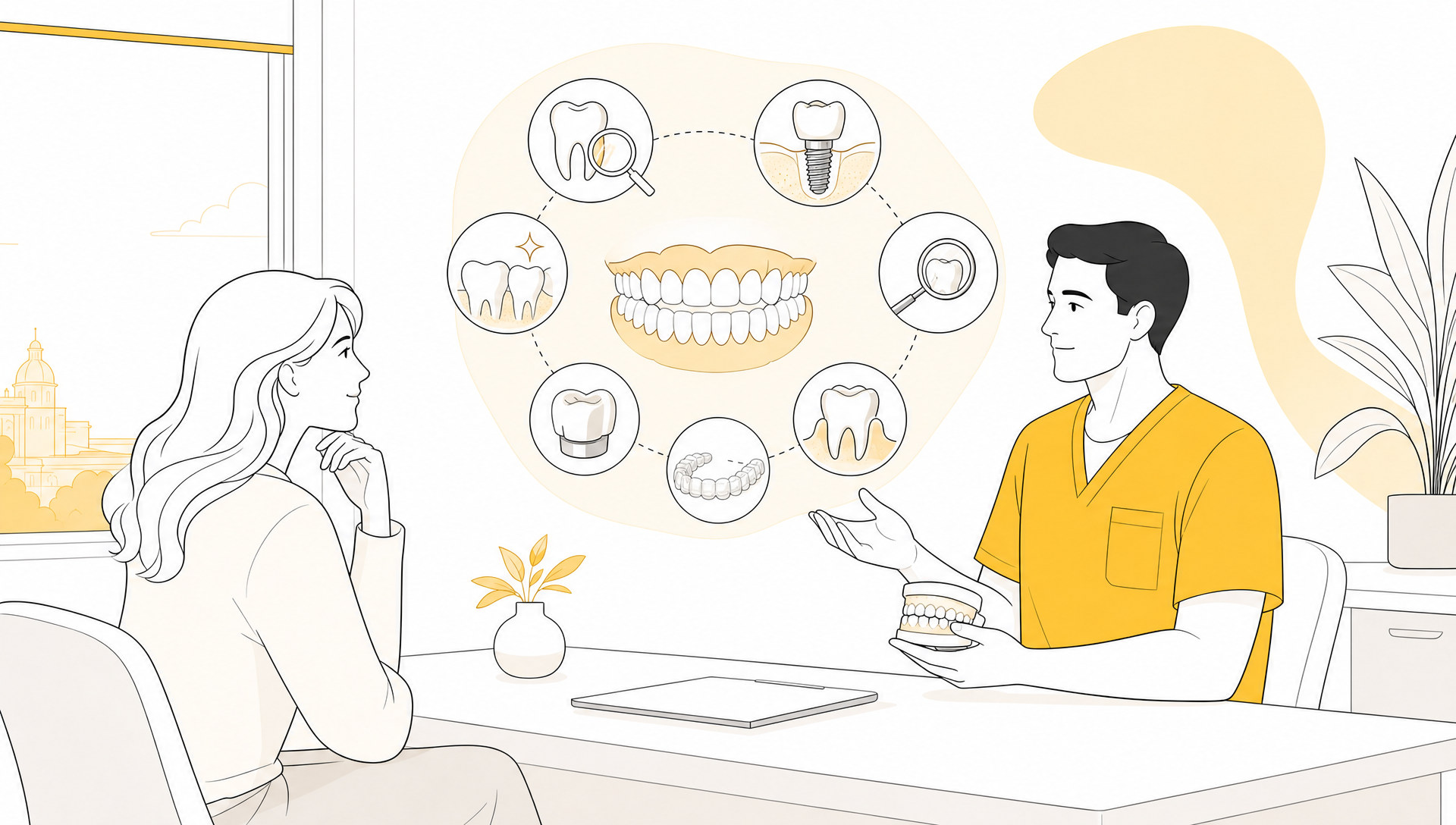
For some patients, it may involve a check-up, dental X-rays if needed, a professional clean and a discussion about any treatment options. For others, it may mean having several concerns reviewed in one longer consultation, such as tooth pain, gum health, cosmetic questions and missing teeth.
The phrase can also be used in broader health and cosmetic settings, where several services are grouped under one provider, such as broader cosmetic and wellness clinics. In dental care, however, the important question is not simply how much can be done at once. It is whether the care is appropriate, safe and properly planned for your individual circumstances.
At Geelong Dental Centre, patients can access a range of general, cosmetic and implant dentistry services. A comprehensive appointment may help clarify which options are relevant, but your dentist still needs to assess your mouth, medical history and treatment goals before making recommendations.
When might a combined dental appointment be useful?
A combined appointment may suit people who want to make the most of one visit, particularly if they have more than one question or concern. This can be helpful if you are unsure whether you need general care, cosmetic treatment or something more involved.
It may be worth asking about a longer or more comprehensive appointment if you want to discuss:
- A check-up and clean, if clinically appropriate
- Tooth pain, sensitivity or a broken tooth
- Bleeding gums or concerns about gum health
- Teeth whitening, Invisalign aligners or other cosmetic options
- Missing teeth, dental implants or All-on-4 implant options
- Older fillings, worn teeth or full smile restoration
- Dental care for more than one family member
For families in Geelong, Newtown, Geelong West, East Geelong, Belmont or Highton, fewer separate trips can be convenient. If your needs span different ages, it may also help to understand how family dental care supports oral health at different life stages.
What can often be done in one visit?
What happens in one appointment depends on the type of visit booked, the time available and what your dentist finds during the examination. A dental team may not know whether treatment can be completed until your teeth, gums and bite have been assessed.
A comprehensive dental visit may include a conversation about your symptoms, dental history, medical history and any medications you take. Your dentist may examine your teeth, gums, jaw and soft tissues, and may recommend dental X-rays where clinically indicated.
The Australian Dental Association’s public dental health resource explains that a dental check-up may include an examination of teeth, gums and the mouth, along with advice about oral hygiene and preventive care. This is useful context because many “all-in-one” appointments begin with assessment rather than treatment.
Depending on your circumstances, your visit may also include a professional clean, treatment planning, discussion of costs or item numbers, or simple treatment where it is appropriate to do so. If more complex care is needed, your dentist may explain the likely sequence, alternatives, benefits, risks and limitations before you decide whether to proceed.
When is staged dental care the safer option?
Some dental treatments need more than one appointment for clinical reasons. This is not a delay for the sake of it. Staged care can allow time for proper diagnosis, treatment planning, laboratory work, healing or review.
For example, dental implants usually require careful assessment of bone, gum health, medical factors and bite forces. Invisalign treatment involves records, planning and review over time. Root canal treatment may sometimes be completed in one visit, but it can also require multiple appointments depending on the tooth and infection. Crowns, bridges and more extensive restorative work often involve preparation, impressions or scans, temporary stages and fitting appointments.
| Situation | One visit may be enough for | Staged care may be needed when |
|---|---|---|
| Routine preventive care | Examination, clean and oral health advice where suitable | Gum disease or complex findings need further assessment |
| Tooth pain | Diagnosis, X-rays if needed and short-term relief | Infection, root canal treatment or extraction planning is required |
| Cosmetic concerns | Discussion of whitening, veneers, aligners or other options | Records, treatment planning or laboratory-made restorations are needed |
| Missing teeth | Initial implant, bridge or denture discussion | Surgical planning, healing time or multiple appointments are required |
| Family appointments | Coordinated check-ups for several family members | Each person has different treatment needs or time requirements |
All dental procedures carry potential risks and benefits. Treatment experiences, healing and outcomes vary between patients. A clinical assessment is needed before your dentist can advise whether one appointment or a staged plan is more suitable.
What should you ask before booking an all-in-one dental appointment?
Before booking, it is useful to be clear about what you want from the visit. This helps the clinic allocate an appropriate appointment type and avoids trying to fit complex concerns into a short check-up.
You may want to mention whether you have pain, swelling, a broken tooth, cosmetic questions, missing teeth or anxiety about dental care. If you are booking for a child, older family member or someone with medical considerations, let the team know when arranging the appointment.
Helpful questions include:
- Can this appointment include an examination and treatment discussion?
- Should I book a longer appointment if I have several concerns?
- Will X-rays or other records be recommended only if clinically needed?
- Can I receive an estimate or treatment plan before deciding on treatment?
- What are the alternatives if treatment cannot be completed on the same day?
If you are comparing local options, you may find it useful to read about how to choose a dental clinic in Geelong, including factors such as communication, services, fees and convenience.
Is an all-in-one dental visit suitable for cosmetic treatment?
It can be suitable as a starting point, but cosmetic dentistry usually needs careful assessment before treatment begins. Teeth whitening, veneers, Invisalign and restorative options all have different suitability considerations.
For example, whitening may not change the colour of fillings, crowns or veneers. Veneers require assessment of tooth structure, bite and gum health. Invisalign aligners require records and treatment planning to assess whether clear aligners may be appropriate. If you are considering dental implants or All-on-4, your dentist will need to assess oral health, bone support, medical history and expectations before discussing options.
A combined cosmetic consultation may help you understand what is possible, what is not suitable and what alternatives may be considered. It should not be treated as a promise of a particular result. Normal tooth shape, colour and alignment vary, and treatment decisions should be based on your health, preferences and informed consent.
How emergencies fit into an all-in-one approach
Dental emergencies are different from planned comprehensive visits. If you have severe toothache, facial swelling, dental trauma, uncontrolled bleeding or signs of infection, prompt assessment may be needed. If you have difficulty breathing or swallowing, seek urgent medical care.
During an emergency appointment, the priority is usually to assess the cause of symptoms and provide appropriate immediate care or advice. A full cosmetic or long-term restorative plan may need to wait until pain, infection or trauma has been managed.
This is another reason “all-in-one” needs to be interpreted carefully. The right care for that day may be diagnosis and stabilisation, followed by a planned review once your dentist has enough information.
Cost, timing and treatment planning considerations
An all-in-one visit may help you understand fees and options sooner, but costs depend on what is clinically required. Dental fees can vary based on the type of examination, X-rays, preventive care, materials, laboratory work and the complexity of treatment.
If you have private health insurance, your rebate may depend on your fund, level of cover, waiting periods and annual limits. Your dental team can usually provide item numbers so you can check with your health fund before deciding on treatment.
For larger treatment plans, it is reasonable to ask for time to consider your options. A written treatment plan can help you compare benefits, risks, alternatives, estimated costs and the likely sequence of appointments. Geelong Dental Centre also notes flexible payment options and online booking as part of its patient services, which may make planning easier for some patients.
If you are choosing where to book, factors such as communication, prevention-focused care and appropriate technology are covered in this guide to what to look for in a modern dental practice.
Frequently Asked Questions
Can all dental treatment be completed in one visit? Not always. Some simple care may be completed in one appointment, but many treatments need planning, laboratory work, healing time or review. Your dentist can explain what is appropriate after an examination.
Is an all in one dental visit the same as a check-up and clean? It can include a check-up and clean if suitable, but it may also involve a broader discussion about symptoms, cosmetic goals, missing teeth or future treatment options.
Can I discuss Invisalign, whitening and implants in the same appointment? You may be able to raise several topics in one consultation. Your dentist can then explain which options need further records, assessment or separate planning appointments.
What if I have tooth pain on the day? Tooth pain should be assessed first. Your dentist may focus on diagnosis and immediate care rather than trying to complete unrelated treatment during the same visit.
How do I know whether to book a standard or longer appointment? If you have multiple concerns, a complex dental history or want to discuss cosmetic or implant options, mention this when booking. The clinic can advise what appointment type may be appropriate.
Making the right appointment for your needs
An all-in-one dental visit may be useful if you want a clearer picture of your oral health and treatment options without booking several separate initial consultations. It can be especially helpful when you have more than one concern or want to understand how general, cosmetic and restorative care may fit together.
It is still important that treatment is recommended only after proper assessment. The safest and most useful appointment is one that gives your dentist enough time to understand your concerns, explain options clearly and outline the potential benefits, risks and alternatives.
To discuss whether a comprehensive appointment may suit your needs, you can contact Geelong Dental Centre or use the clinic’s online booking option to arrange an assessment in Geelong.
Disclaimer
The information provided on this website is for general informational and educational purposes only. It is not intended to replace professional dental advice, diagnosis or treatment. Dental needs and treatment outcomes vary between individuals. Always seek advice from a qualified dental practitioner regarding your specific circumstances before making decisions about your oral health or treatment. A consultation and clinical assessment are required to determine which treatment options may be suitable for you. All dental procedures carry potential risks and benefits, which will be discussed with you before treatment.