What to Look For in a Modern Dental Practice
11 August 2026 | News
Choosing a dentist is a personal decision. You are trusting someone with your health, comfort, appearance, budget, and often your family’s long-term wellbeing. A modern dental practice should do more than fix teeth when something hurts. It should help you prevent problems, understand your options, and feel confident about every step of care.
For patients in Geelong, the best choice is not always the clinic with the newest décor or the biggest advertising budget. It is the practice that combines clinical experience, up-to-date systems, clear communication, and genuine patient care. Whether you need a routine check-up, emergency appointment, children’s dentistry, Invisalign, cosmetic treatment, or dental implants, the right practice should make the process feel organised and transparent.
Here is what to look for when comparing a modern dental practice.
A modern dental practice starts with trust, not gadgets
Technology matters, but trust comes first. A reliable dental team should be qualified, registered, experienced, and willing to explain care in plain language. In Australia, dentists must be registered, and patients can check practitioners through the Ahpra public register.
Beyond registration, look for signs that the practice takes professional development seriously. Dentistry changes over time, from materials and diagnostic tools to implant planning and clear aligner systems. A modern clinic should be committed to ongoing learning while still being honest about what is clinically appropriate for each patient.
Just as importantly, the team should make you feel heard. If you feel rushed, judged, or confused after an appointment, that is a warning sign. Modern care is collaborative. Your dentist should ask about your concerns, medical history, goals, and previous dental experiences before recommending treatment.
Comprehensive care for different ages and needs
A modern dental practice should be able to care for a wide range of needs, especially if you are choosing a clinic for your family. General dentistry is still the foundation: check-ups, cleans, fillings, gum health, toothache assessment, preventive advice, and ongoing maintenance.
But many patients also want access to additional services without being sent from place to place unnecessarily. Depending on your needs, it can be helpful to choose a clinic that provides services such as emergency dental care, children’s dentistry, cosmetic dentistry, root canal treatment, teeth whitening, Invisalign aligners, dental implants, and full smile restoration options.
This does not mean every procedure should always be done in-house. A good dentist will still refer you to a specialist when that is the safest or most appropriate option. The point is that a modern practice should be equipped to assess your needs properly, explain your choices, and coordinate care efficiently.
For families, this continuity is especially valuable. Children can become familiar with the same environment, parents can manage appointments more easily, and the dental team can track changes in oral health over time.
Prevention should be built into every appointment
The best dentistry is often the treatment you never need because a problem was prevented or caught early. A modern dental practice should focus heavily on prevention, not just repairs.
That means your check-up should involve more than a quick look at your teeth. Your dentist should assess your gums, bite, tooth wear, risk of decay, oral hygiene habits, diet, medical history, and any symptoms such as sensitivity, bleeding gums, jaw pain, or grinding. Preventive care may include professional cleaning, fluoride advice, fissure sealants for children, mouthguards, gum maintenance, and tailored home-care guidance.
Look for a practice that explains your risk factors rather than giving generic advice. For example, two patients with similar-looking teeth may need different preventive plans if one has dry mouth, reflux, diabetes, a high-sugar diet, orthodontic appliances, or a history of gum disease.
A prevention-first approach can save discomfort, time, and money in the long run.
Clear communication and informed consent
One of the strongest signs of a modern dental practice is how well it communicates. Good communication reduces anxiety and helps patients make informed decisions.
Before treatment, your dentist should explain what they found, why it matters, what your options are, what each option involves, and what may happen if you delay treatment. You should also receive clear information about fees, likely timeframes, risks, benefits, alternatives, and maintenance requirements.
This is particularly important for more involved treatment, such as dental implants, Invisalign, cosmetic dentistry, root canal therapy, crowns, bridges, or All-on-4 implant treatment. These decisions should never feel rushed. You should have time to ask questions and understand the difference between urgent care, recommended care, and optional aesthetic treatment.
Clear communication also includes everyday details: appointment reminders, written treatment plans, item numbers for health fund claims, post-treatment instructions, and follow-up support if something does not feel right.
Technology should improve care, comfort, and accuracy
Modern dental technology can make appointments more precise, efficient, and comfortable. However, technology should serve a clinical purpose. A scanner, camera, or imaging system is only valuable if it helps your dentist diagnose accurately, plan better, explain clearly, or improve your experience.
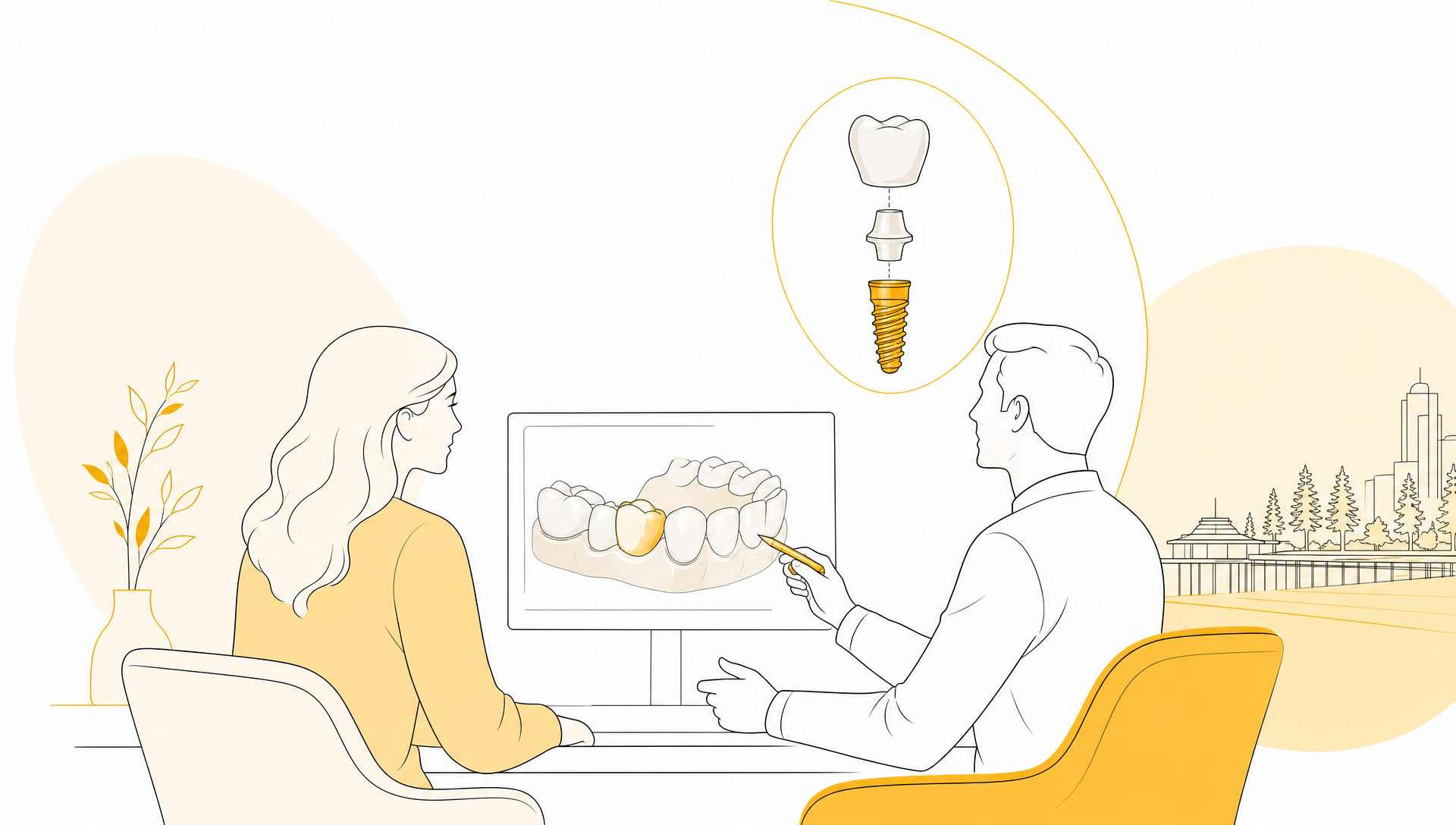
Depending on the clinic, useful modern tools may include digital X-rays, intraoral cameras, 3D imaging for implant planning, digital impressions, electronic records, shade-matching systems, and clear aligner planning software. These tools can help patients see what the dentist sees, which often makes treatment recommendations easier to understand.
When comparing practices, ask how technology is used in day-to-day care. The answer should be practical, not sales-focused.
| What to look for | Why it matters | Helpful question to ask |
|---|---|---|
| Digital imaging | Supports diagnosis and treatment planning | “Will you show me and explain my images?” |
| Intraoral photos | Helps you understand cracks, wear, decay, or old fillings | “Can I see what you are concerned about?” |
| Digital records | Improves continuity and follow-up | “How do you track my treatment history?” |
| Treatment planning tools | Useful for implants, aligners, and smile design | “What information do you use before recommending this option?” |
| Online booking | Makes care easier to access | “Can I book or request appointments online?” |

Safety, hygiene, and infection control should be visible
Patients should never have to wonder whether a clinic takes safety seriously. A modern dental practice should follow strict infection prevention and sterilisation protocols, with clean treatment rooms, appropriate personal protective equipment, sterilised instruments, and clear separation between clean and contaminated areas.
In Australia, dental practitioners are expected to meet professional standards set by regulators such as the Dental Board of Australia. You can learn more through the Dental Board of Australia codes and guidelines.
You do not need to inspect every process behind the scenes, but the environment should feel orderly and professional. Staff should be comfortable answering reasonable questions about sterilisation, medical history forms, allergies, medications, and safety procedures.
Safety also includes careful diagnosis and treatment planning. For example, implant dentistry should involve assessment of bone, gum health, medical factors, bite forces, and long-term maintenance. Teeth whitening should be assessed for suitability, especially if there is sensitivity, decay, gum recession, or existing restorations.
Emergency care and practical access matter
Dental problems do not always happen at convenient times. Toothache, swelling, broken teeth, lost fillings, dental trauma, and wisdom tooth pain can escalate quickly. A modern dental practice should have a clear process for urgent care, even if same-day appointments are not always available.
When choosing a clinic, check how they handle emergencies. Do they advise you what to do if you have swelling, facial trauma, uncontrolled bleeding, or severe pain? Can you contact the clinic easily? Are there online booking options or clear instructions for urgent appointment requests?
Practical access also matters for routine care. Consider location, parking, public transport, appointment availability, online booking, communication channels, and whether the clinic is suitable for children, older patients, anxious patients, or people with complex treatment needs.
A dental practice can be clinically excellent, but if it is difficult to book, hard to contact, or unclear about next steps, patients may delay care. Modern dentistry should make it easier to get help early.
Transparent fees and flexible payment discussions
Cost is one of the main reasons people postpone dental treatment. A modern dental practice should be upfront about fees and willing to discuss options clearly.
For simple appointments, you should know what to expect before you proceed. For larger treatment plans, you should receive a written estimate with item numbers where relevant, so you can check private health insurance rebates if applicable. If there are multiple treatment options, the dentist should explain the difference in cost, durability, complexity, and maintenance.
Flexible payment options can also make treatment more manageable, especially for families or patients considering staged care. The key is transparency. You should understand what is included, what may change, and whether follow-up appointments, scans, retainers, maintenance, or replacement components are separate costs.
A trustworthy clinic will not pressure you into the most expensive option. It will help you understand what is necessary, what is recommended, and what can be planned over time.
Comfort, anxiety support, and patient experience
A modern dental practice should recognise that many people feel nervous about dental visits. Anxiety may come from a previous bad experience, fear of pain, embarrassment about oral health, concerns about cost, or uncertainty about what will happen.
Look for a team that responds with patience rather than judgement. Small details can make a big difference: explaining each step, checking in during treatment, offering breaks, using gentle techniques, providing clear aftercare instructions, and allowing extra time for anxious patients when possible.
The overall patient experience also matters. A well-run practice usually has organised reception processes, respectful staff, clean waiting areas, clear appointment confirmations, and consistent follow-up. These are not just “nice to have” features. They reflect how seriously the clinic takes patient care.
Red flags when choosing a dental practice
Most clinics aim to do the right thing, but it is still useful to know what should make you pause. Consider looking elsewhere if you notice repeated signs such as:
- Vague explanations about diagnosis, treatment, or fees
- Pressure to start major treatment immediately without time to consider options
- No clear medical history process or discussion of relevant health factors
- Poor hygiene standards or disorganised treatment areas
- Dismissive responses to questions or anxiety
- Limited information about risks, alternatives, or maintenance
- Difficulty getting written estimates for larger treatment plans
One red flag on its own may not tell the whole story, but a pattern matters. You should leave a consultation feeling informed, respected, and clear about your next step.
How to choose the right local dental practice in Geelong
If you are comparing dental clinics in Geelong, start with your priorities. A young family may value children’s dentistry, preventive care, and convenient booking. A busy professional may prioritise online appointment options, clear communication, and efficient treatment planning. Someone with missing teeth may need a clinic experienced in implant dentistry and full smile restoration. A nervous patient may care most about communication, gentleness, and trust.
It can help to book an initial check-up and use that visit to evaluate the practice. Notice whether the dentist listens, explains findings clearly, discusses options, and gives you a realistic plan. You do not need to commit to major treatment on the spot.
If you are looking for a local clinic that offers general, cosmetic, emergency, children’s, Invisalign, and implant dentistry, you can learn more about Geelong Dental Centre. The right practice should feel like a long-term partner in your oral health, not just a place you visit when something breaks.
Frequently Asked Questions
What makes a dental practice modern? A modern dental practice combines qualified clinicians, preventive care, clear communication, appropriate technology, strong hygiene systems, transparent fees, and a patient-centred experience. It is not just about new equipment.
How often should I visit the dentist? Many people benefit from regular check-ups every six months, but the right interval depends on your oral health, gum condition, decay risk, medical history, and dentist’s advice.
Should a modern dental clinic offer emergency appointments? Ideally, yes. Dental emergencies such as toothache, swelling, broken teeth, and trauma need timely advice. A good clinic should explain how urgent cases are handled and what to do if symptoms are serious.
Is technology important when choosing a dentist? Technology can be very helpful when it improves diagnosis, planning, comfort, and communication. However, it should support good clinical judgement rather than replace it.
What should I ask before starting major dental treatment? Ask about the diagnosis, all reasonable options, benefits, risks, costs, treatment time, expected lifespan, maintenance needs, and what may happen if you delay treatment.
Ready to find a dental practice that suits your needs?
The right dental practice should make you feel informed, comfortable, and confident about your care. If you are in Geelong and want support with routine check-ups, emergency dental care, cosmetic options, Invisalign, dental implants, or family dentistry, Geelong Dental Centre offers local care with online appointment booking and clear communication.
Book a visit with Geelong Dental Centre and take the next step towards healthier teeth and a more confident smile.
Disclaimer
The information provided on this website is for general informational and educational purposes only. It is not intended to replace professional dental advice, diagnosis or treatment. Dental needs and treatment outcomes vary between individuals. Always seek advice from a qualified dental practitioner regarding your specific circumstances before making decisions about your oral health or treatment. A consultation and clinical assessment are required to determine which treatment options may be suitable for you. All dental procedures carry potential risks and benefits, which will be discussed with you before treatment.