What Happens During a Professional Teeth Clean?
28 August 2026 | General Dentistry, Preventative Dentistry, Teeth Cleaning
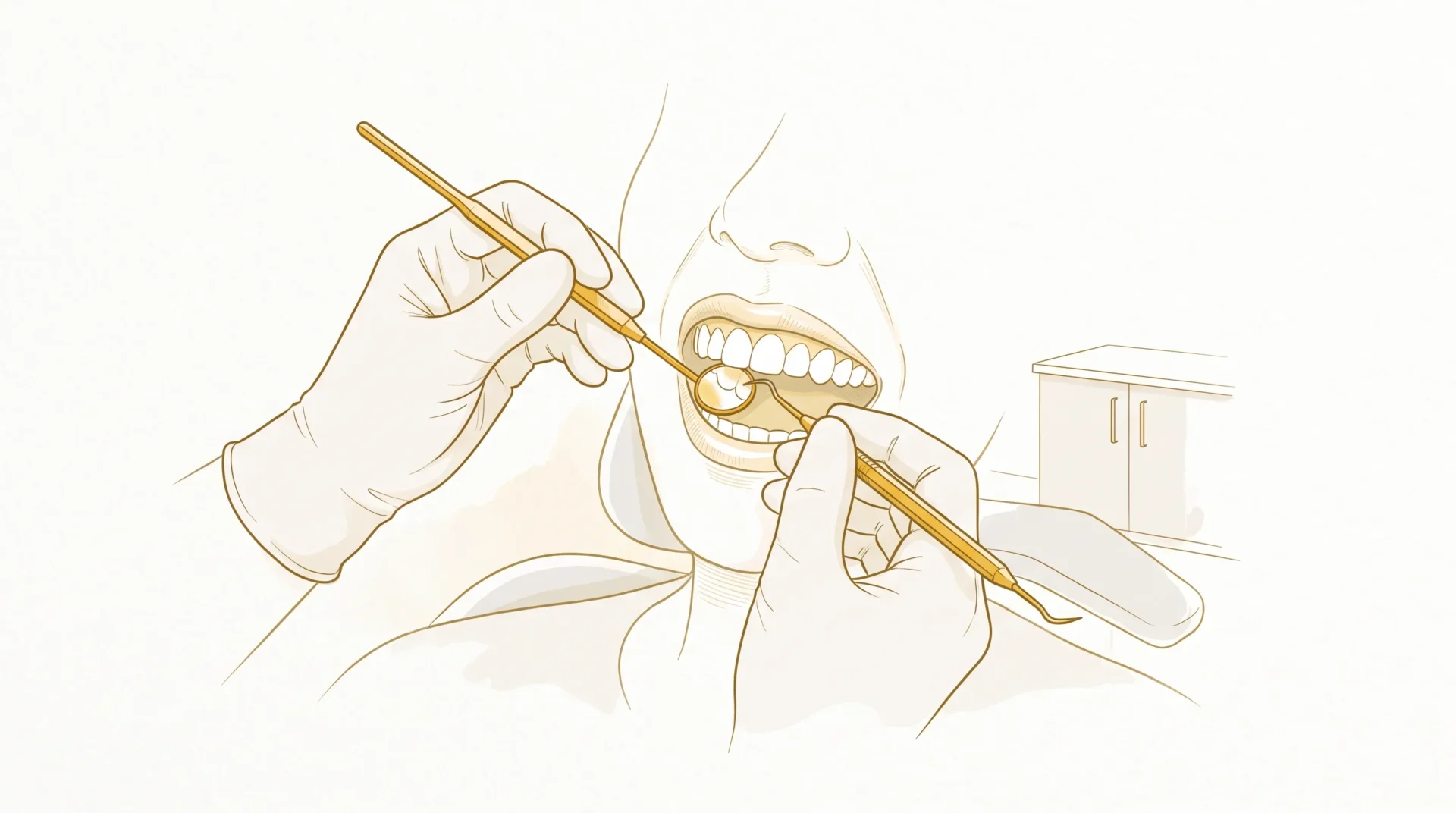
If you are searching for a dental clinic for cleaning teeth, you may be wondering what actually happens in the chair. A professional teeth clean, often called a scale and clean or check-up and clean in Australia, is more than a quick polish. It usually involves checking your teeth and gums, removing plaque and hardened tartar, polishing the teeth and discussing home care that suits your mouth.
The details can vary from person to person. Your dentist may adapt the appointment based on your oral health, medical history, gum condition, sensitivity, previous dental work and any concerns you raise.
What a professional teeth clean is meant to do
A professional teeth clean is designed to remove build-up that brushing and flossing cannot fully manage at home. Plaque is a sticky film of bacteria that forms on the teeth each day. If it stays in place, it can harden into tartar, also called calculus. Once tartar has formed, it usually needs to be removed with dental instruments.
A professional clean may help support gum health, reduce plaque build-up and make it easier to keep your teeth clean day to day. It is not the same as teeth whitening and it does not replace daily brushing and cleaning between the teeth.
For many people in Geelong, Newtown, Geelong West, Belmont and Highton, a professional clean is part of routine preventive dental care. For others, it may be recommended because of bleeding gums, tartar build-up, a history of gum disease or difficulty cleaning certain areas.
Before the clean: your dentist checks more than your teeth
A professional teeth clean often starts with a short discussion and examination. Your dental team may ask about your general health, medications, allergies, pregnancy, smoking or vaping, recent symptoms and any dental anxiety or sensitivity.
This matters because your medical history can affect how dental care is provided. For example, some medications can contribute to dry mouth or bleeding changes. Some people also need shorter appointments, extra explanations or different comfort measures.
Your dentist may then examine your teeth, gums, existing fillings, crowns, bite and soft tissues such as the tongue, cheeks and palate. X-rays are not always needed at every visit, but they may be recommended when clinically appropriate to assess areas that cannot be seen directly. If you would like a broader overview of a routine appointment, Geelong Dental Centre has a helpful guide on what to expect when visiting a Geelong dentist.
Step by step: what happens during a professional teeth clean?
The exact order may vary, but a routine clean commonly includes the following stages.
| Stage | What may happen | Why it matters |
|---|---|---|
| Gum and plaque assessment | The dentist checks where plaque, tartar or gum inflammation may be present | Helps guide the cleaning and identify areas needing attention at home |
| Scaling | Tartar is removed with ultrasonic and/or hand instruments | Removes hardened build-up that cannot usually be brushed away |
| Polishing | A polishing paste and small rotating cup or brush may be used | Helps remove some surface staining and smooth the tooth surface |
| Cleaning between teeth | Floss or interdental aids may be used during the appointment | Checks how spaces between teeth are responding to cleaning |
| Fluoride, if suitable | A fluoride gel, foam or varnish may be discussed or applied | May be recommended for people at higher risk of decay or sensitivity |
| Personalised advice | Your dentist discusses brushing, interdental cleaning and risk factors | Helps you maintain your oral health between visits |
Scaling: removing plaque and tartar
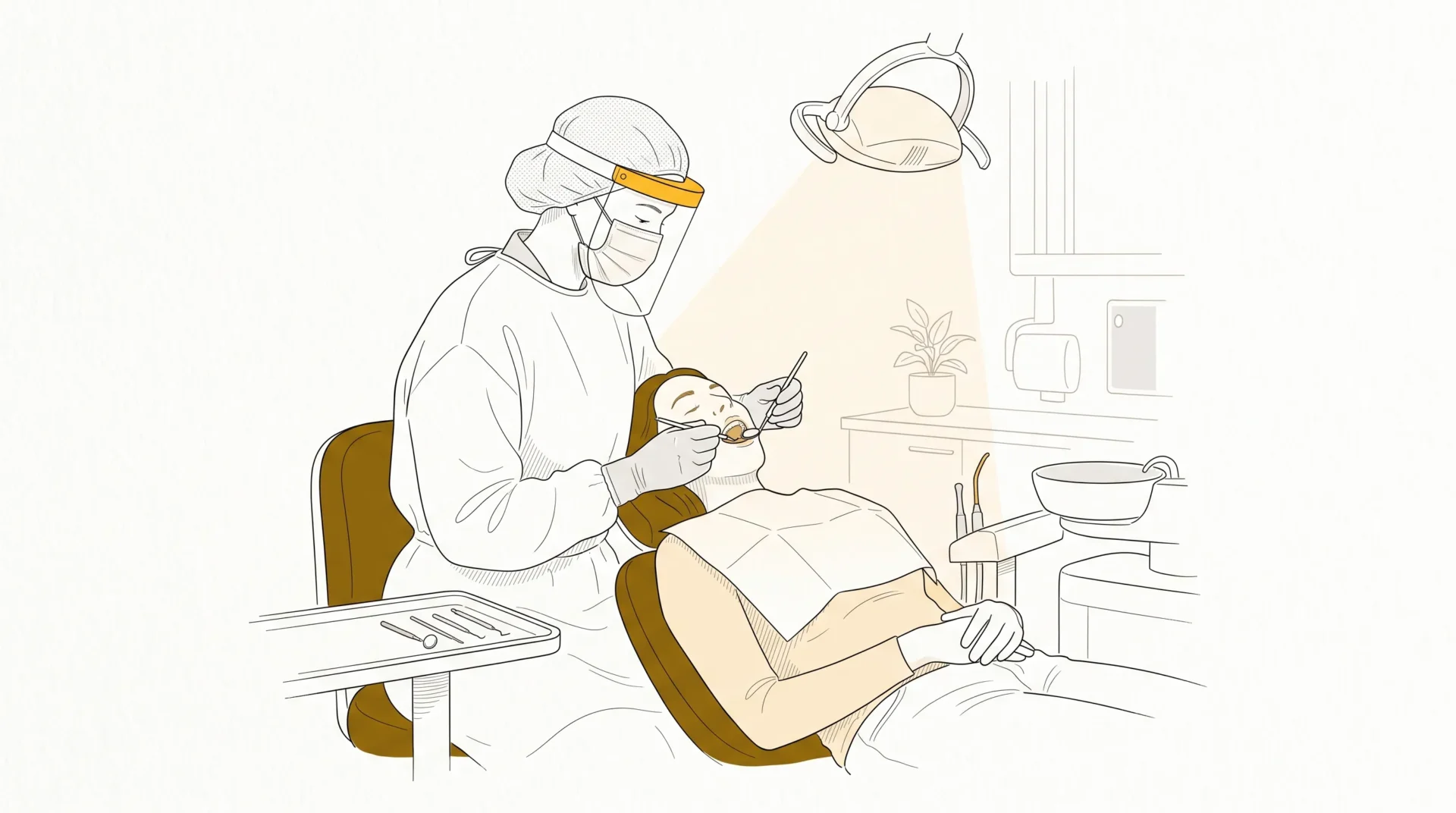
Scaling is the main part of a professional clean. Your dentist or oral health professional may use an ultrasonic scaler, which vibrates gently and uses water spray to loosen tartar. Hand instruments may also be used for detailed cleaning around the gumline or between teeth.
You may hear a scraping sound or feel vibration and water. This does not mean the tooth is being damaged. The aim is to remove deposits from the tooth surface and around the gumline while preserving healthy tooth structure.
If you have heavy tartar build-up, gum pockets or active gum disease, a routine scale and clean may not be enough. Your dentist may recommend a more detailed gum assessment or staged periodontal treatment. Suitability depends on your gum health and individual circumstances.
Polishing: smoothing the tooth surface
After scaling, polishing may be used to smooth the teeth and reduce some surface stains from everyday foods, drinks or habits. Polishing can leave the mouth feeling cleaner, but it is not intended to change the natural colour of teeth in the way a separate whitening treatment might.
Not every stain can be removed with polishing. Staining within the tooth, ageing-related colour changes, old restorations and some enamel changes need a different assessment before any cosmetic treatment is considered.
Fluoride: not always needed, but sometimes useful
Some patients may be offered fluoride after a clean. Fluoride is a mineral used in dentistry to help strengthen enamel and support decay prevention. Your dentist may consider fluoride if you have a higher risk of decay, sensitivity, dry mouth, orthodontic appliances, exposed root surfaces or other risk factors.
If fluoride is used, your dental team will explain any short aftercare instructions, such as when to eat or drink. These instructions can vary depending on the type of fluoride product used.
Will a professional teeth clean hurt?
Comfort varies. Many people find a routine clean manageable, but some experience sensitivity, tenderness or bleeding gums, especially if there is gum inflammation, exposed root surfaces or a large amount of tartar.
Bleeding during a clean does not automatically mean something serious is wrong, but it can be a sign that the gums are irritated or inflamed. Your dentist can assess the cause and explain whether further care may be appropriate.
If you have sensitive teeth, a strong gag reflex, jaw discomfort or dental anxiety, mention this before the clean begins. The appointment can often be adjusted with pauses, suction changes, desensitising products or a different cleaning approach. For deeper cleaning below the gumline, local anaesthetic may be discussed where appropriate.
Choosing a dental clinic for cleaning teeth in Geelong
When looking for a dental clinic for cleaning teeth in Geelong, it is reasonable to consider more than location. A good routine clean should be paired with clear communication, consent and an explanation of what is being done.
You may want to ask:
- Will my gums and teeth be checked as part of the appointment?
- Will I be told if X-rays are recommended and why?
- Can the dentist explain my gum health in plain language?
- Will I receive advice for cleaning between my teeth at home?
- Can I discuss sensitivity, anxiety or previous uncomfortable experiences before treatment starts?
Routine check-up and clean appointments are described similarly across many Australian dental clinics, although each practice has its own processes. For comparison, this overview of a professional check-up and dental clean in Toorak outlines common elements such as oral examinations, gum checks, tartar removal, polishing and fluoride options.
At Geelong Dental Centre, routine dental care may include check-ups, professional cleaning, preventive advice and discussion of any treatment options that may be suitable after an assessment. If treatment is recommended, your dentist can explain the potential benefits, limitations, risks and alternatives before you decide how to proceed.
How often should you have your teeth professionally cleaned?
There is no single interval that suits everyone. Some people are advised to attend every 6 months, while others may need more frequent gum maintenance or a different review schedule. Your dentist will consider factors such as:
- Gum health and bleeding
- Tartar build-up rate
- Decay risk
- Dry mouth
- Smoking or vaping
- Diabetes or other health factors
- Orthodontic appliances, implants, crowns or bridges
- Your ability to clean effectively at home
The Australian Dental Association’s patient resource, Teeth.org.au, provides general oral health information for the public, including preventive care and daily cleaning habits. Your own recall interval should still be based on a dental assessment rather than a fixed rule.
What happens after the clean?
Your mouth may feel fresher and smoother after a clean, but mild tenderness or sensitivity can occur for a short time. This is more likely if the gums were inflamed or if tartar had been sitting close to the gumline. If discomfort is significant, worsening or does not settle, contact your dentist for advice.
Your dentist may suggest changes to your home routine, such as brushing technique, fluoride toothpaste use, flossing, interdental brushes or changes to diet and snacking patterns. Small adjustments can make a meaningful difference when they are matched to your mouth. For practical home care tips, you may find Geelong Dental Centre’s guide to everyday dental care habits for the whole family useful.
A professional clean is also a good time to ask questions. For example, you might ask why one area builds tartar faster, whether your bleeding gums need further assessment or whether a restoration is making an area harder to clean.
When should you book sooner rather than waiting for a routine clean?
A routine clean is not a substitute for assessment of symptoms. Consider booking a dental appointment sooner if you notice toothache, swelling, a broken tooth, ongoing bleeding gums, a loose adult tooth, a lost filling, trauma to the mouth or pain when biting.
These symptoms do not always mean serious disease is present, but they should be assessed so the cause can be identified. If you are unsure whether your concern can wait, this guide on when to book a dental appointment may help you decide what to do next.
Frequently Asked Questions
Is a professional teeth clean the same as a dental check-up? Not exactly. A clean focuses on removing plaque, tartar and surface stains. A check-up assesses your teeth, gums, soft tissues, restorations and overall oral health. They are often provided in the same appointment, but they are different parts of care.
Can I remove tartar at home? Once plaque hardens into tartar, it usually cannot be safely removed with a toothbrush or floss. Trying to scrape your own teeth with sharp tools can injure the gums or damage tooth surfaces. A dentist can remove tartar using appropriate instruments.
Will my teeth look whiter after a professional clean? A clean may remove some external surface staining, so teeth may look cleaner or brighter. It does not change the natural internal colour of teeth in the same way as whitening treatment. Whitening suitability needs a separate dental assessment.
How long does a professional teeth clean take? Appointment length varies depending on your oral health, tartar levels, gum condition, whether X-rays or fluoride are needed and whether other concerns are discussed. Ask the clinic when booking if you would like an estimate for your appointment.
Can children have professional teeth cleans? Children may have professional cleaning when a dentist considers it appropriate. The appointment is usually adapted to the child’s age, comfort, tooth development and risk of decay. Parents or carers can also ask for guidance on brushing, diet and fluoride toothpaste.
Discuss professional teeth cleaning in Geelong
If you are due for a routine dental visit or have noticed tartar, bleeding gums or sensitivity, a dental examination can help determine what care may be appropriate. To discuss professional teeth cleaning in Geelong, you can book online or contact the team at Geelong Dental Centre for an appointment.
Your dentist can assess your oral health, explain what they find and talk through any suitable options before treatment proceeds.
Disclaimer
The information provided on this website is for general informational and educational purposes only. It is not intended to replace professional dental advice, diagnosis or treatment. Dental needs and treatment outcomes vary between individuals. Always seek advice from a qualified dental practitioner regarding your specific circumstances before making decisions about your oral health or treatment. A consultation and clinical assessment are required to determine which treatment options may be suitable for you. All dental procedures carry potential risks and benefits, which will be discussed with you before treatment.