
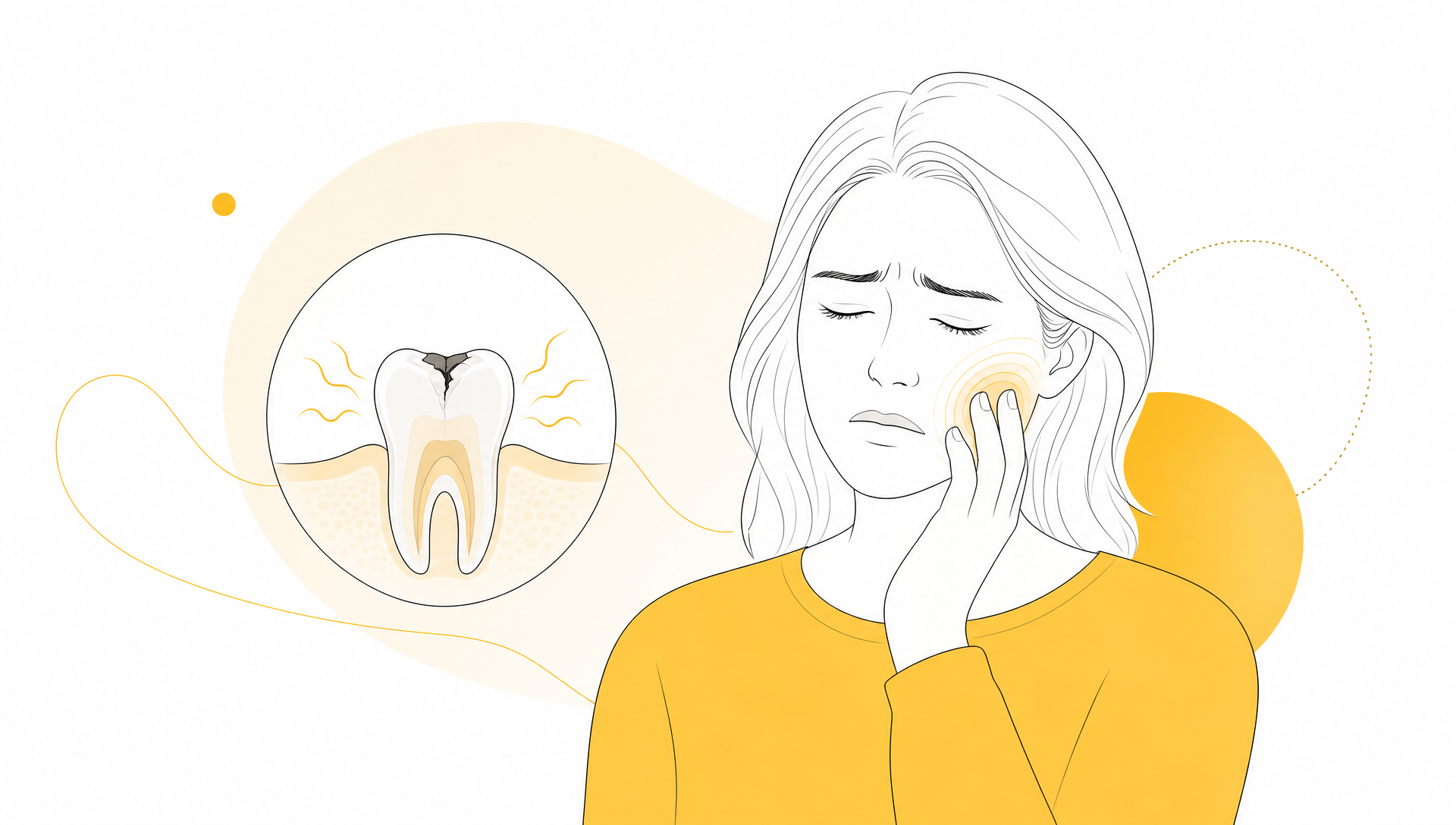
When Should You Book a Dental Appointment?
19 August 2026 | General Dentistry, Preventative Dentistry, Tooth Decay
A dental appointment is worth booking whenever you have pain, visible changes, an injury or a concern that does not settle. If your teeth and gums feel fine, your routine check-up schedule should still be based on your oral health risk, not a fixed rule for everyone.
The short answer is simple: book promptly for swelling, dental trauma, a broken tooth, ongoing toothache or signs of infection. For routine care, ask your dentist what interval makes sense for your teeth, gums, medical history and previous dental treatment.
Quick guide: when to book a dental appointment
The timing depends on what is happening. Some concerns can be checked at your next routine visit, while others are better assessed sooner.
| Situation | When to consider booking | Why it matters |
|---|---|---|
| No symptoms and due for a check-up | At an interval recommended by your dentist | Routine reviews can help monitor teeth, gums, restorations and early changes |
| Ongoing toothache | As soon as practical, especially if it lasts more than a day or two | Pain can come from decay, cracks, infection, gum issues or other causes |
| New or worsening sensitivity | Soon, particularly if it affects one tooth or lingers | Sensitivity may relate to enamel wear, gum recession, decay or a cracked tooth |
| Bleeding gums that keep recurring | Book a dental assessment rather than waiting months | Gum inflammation can be present without much pain |
| Broken tooth, lost filling or loose crown | Book soon, and sooner if there is pain or sharp edges | The tooth may need protection or repair to reduce further damage |
| Facial swelling, fever, pus, dental injury or uncontrolled bleeding | Seek same-day dental advice where possible | These signs may need prompt assessment. Call 000 if swelling affects breathing or swallowing |
| Considering whitening, aligners, veneers, implants or other treatment | Book a consultation before making decisions | Suitability depends on oral health, bite, gums, medical history and goals |
This table is a guide only. A dentist needs to examine your mouth before diagnosing a condition or recommending treatment.
When to book a dental appointment for a routine check-up
There is no single check-up interval that suits every adult. Some people may be advised to attend around every six months, while others may be suitable for a different schedule. Your dentist may consider your history of decay, gum health, dry mouth, medications, smoking or vaping, diet, previous restorations and whether you have dental implants, dentures, crowns or orthodontic appliances.
If you are unsure whether you are due, it is reasonable to ask the clinic when your last examination was and whether a review is appropriate. For a broader discussion of adult timing, this guide to how often adults should have a dental check-up explains why the right interval can vary between patients.
Routine visits are not only for people with symptoms. Tooth decay and gum disease can develop gradually, and early changes are not always obvious at home. A regular review gives your dentist an opportunity to check for changes, discuss prevention and plan care based on your individual circumstances.
Symptoms that are worth checking sooner
Toothache that persists or keeps returning
A toothache is not a diagnosis. It can come from decay, a cracked tooth, gum inflammation, an infection, grinding, sinus pressure or a problem with a previous filling or crown. If pain lasts more than a day or two, keeps returning or affects sleep or eating, a dental appointment is sensible.
Severe pain does not always mean a tooth must be removed, and mild pain does not always mean the issue is minor. The safest approach is to have the area assessed before deciding what to do next.
Sensitivity to cold, heat, sweet foods or brushing
Short, mild sensitivity can happen for several reasons, including gum recession, enamel wear or recent dental treatment. Sensitivity that is new, getting worse, limited to one tooth or lingering after the trigger is removed is more likely to need a professional opinion.
Your dentist may check for cracks, decay, exposed dentine, bite pressure or gum changes. Treatment options vary, and in some cases monitoring or preventive advice may be all that is needed.
Bleeding gums or changes in gum appearance
Bleeding when brushing or flossing is common, but it is not something to ignore if it keeps happening. Gums may bleed because plaque has built up around the gumline, brushing technique needs adjusting or gum disease is developing.
Gum problems can progress with little discomfort. Booking a dental appointment allows your dentist to check gum health, measure any pockets around the teeth if needed and discuss home care that suits your mouth.
Broken teeth, lost fillings and loose crowns
A chipped tooth, lost filling or loose crown may not hurt straight away. Even so, exposed tooth structure can be more vulnerable to sensitivity, further chipping or food trapping. If there is a sharp edge, avoid chewing on that side and contact a dentist for advice.
If an adult tooth is knocked out, seek urgent dental advice. Hold the tooth by the crown, not the root, and do not scrub it. If you are unsure what to do, call a dental clinic or urgent health service for guidance.
Swelling, fever, pus or dental trauma
Facial swelling, fever, pus, a bad taste, difficulty opening your mouth or dental trauma should be assessed promptly. These signs can be associated with infection or injury and may need same-day advice.
If swelling affects breathing or swallowing, or if there has been a serious facial injury, call 000 or attend emergency medical care.
Situations where a dental visit may be useful even without pain
Some dental appointments are planned because your needs are changing, not because something hurts. This can be especially relevant for children, teenagers, older adults, pregnant patients and people with medical conditions or medications that affect the mouth.
You may want to book an appointment if:
- You are pregnant or planning pregnancy and have bleeding gums, nausea-related enamel concerns or questions about dental care.
- You have diabetes, dry mouth, reflux, cancer treatment history or medications that may affect oral health.
- Your child has tooth pain, dental trauma, delayed tooth eruption, thumb sucking concerns or difficulty brushing.
- You are considering teeth whitening, clear aligners, veneers, crowns, implants or other cosmetic or restorative treatment.
- You wear dentures, a night guard, a retainer or aligners and they no longer feel comfortable.
- You are travelling for an extended period and have a tooth that has been causing intermittent problems.
For families, timing can vary by age and stage. Geelong Dental Centre has also covered this broader topic in its guide to family dental care at every age, which may be useful if you are planning appointments for children, teenagers or older relatives.

What happens at a dental appointment?
A general dental appointment usually starts with a conversation. Your dentist may ask about symptoms, medical history, medications, previous dental treatment, allergies and any concerns you would like to discuss. This information matters because oral health and general health often affect each other.
The clinical examination may include checking your teeth, gums, bite, jaw joints, soft tissues and existing fillings, crowns or other restorations. Dental X-rays may be recommended if they are clinically appropriate, such as when your dentist needs to see areas that are not visible during the examination.
If a clean is suitable at that visit, the dentist or dental practitioner may remove hardened plaque, also called calculus, and discuss brushing, flossing or interdental cleaning. If treatment is recommended, you should be given information about the proposed care, potential benefits, risks, alternatives and likely costs before deciding whether to proceed.
You can also book an appointment just to discuss options. For example, if you are considering Invisalign, whitening or dental implants, an assessment can help determine whether those options may be suitable or whether another approach should be considered first.
How often should you book if nothing hurts?
Pain is not the only measure of oral health. Some people feel fine even when early decay, gum changes or wear are present. Others have sensitivity or discomfort without needing complex treatment. This is why your dentist will usually recommend a recall interval based on risk rather than using the same timing for everyone.
| Factor your dentist may consider | How it may affect appointment timing |
|---|---|
| Recent decay or several fillings | May mean closer monitoring is appropriate |
| Gum inflammation or past gum disease | May require more regular gum reviews and cleaning |
| Dry mouth from medication or health conditions | Can increase the need for preventive advice and monitoring |
| Frequent snacking or acidic drinks | May affect decay and enamel wear risk |
| Smoking or vaping | Can affect gum health and healing |
| Braces, aligners, retainers or mouthguards | May need checks for fit, hygiene and tooth movement concerns |
| Implants, crowns, bridges or dentures | May need review to monitor fit, function and surrounding tissues |
| Medical history | Some conditions or treatments may influence oral health care planning |
If you have not seen a dentist for a few years, booking a check-up can give you a clearer starting point. The appointment does not mean you have committed to treatment. It is an opportunity to understand your current oral health and discuss reasonable next steps.
How to prepare for your dental appointment
A little preparation can make the appointment more useful, especially if you are attending for a specific concern.
Before you arrive, consider noting:
- When the symptom started and whether it is getting better or worse.
- What triggers the problem, such as cold drinks, chewing, sweets or brushing.
- Any medications, supplements, allergies or recent health changes.
- Whether you are pregnant or receiving medical treatment.
- Any dental work you have had elsewhere, if you remember the details.
- Questions about costs, payment options, risks or alternatives.
If you feel nervous about dental treatment, mention this when booking or at the start of the appointment. A first visit can focus on examination, discussion and planning. Any treatment should only proceed once you understand the options and provide consent.
Choosing the right timing in Geelong
If you live in Geelong, Newtown, Geelong West, East Geelong, Belmont, Highton or nearby areas, the practical timing of a dental appointment may depend on the type of concern and appointment availability. A routine check-up can usually be planned ahead. Pain, swelling, broken teeth or dental trauma should be discussed with the clinic sooner so they can guide you on the most appropriate appointment type.
If you are comparing local options, this article on how to choose a dental clinic in Geelong outlines practical factors such as communication, services, convenience and transparency.
The main point is to book based on your situation rather than waiting for symptoms to become severe. A dental examination can help clarify what is happening and whether treatment, monitoring or preventive care may be appropriate.
Frequently Asked Questions
How often should adults book a dental appointment? It varies. Many adults are advised to attend around every six to twelve months, but your ideal timing may be shorter or longer depending on your oral health, risk factors and dental history. Your dentist can recommend an interval after examining your mouth.
Should I book a dental appointment if I have no pain? Yes, if you are due for a routine check-up or have not had an examination for some time. Some dental and gum problems can develop without obvious pain, so routine care can still be useful.
What symptoms need urgent dental care? Facial swelling, fever, pus, uncontrolled bleeding, a knocked-out adult tooth, significant dental trauma or severe pain should be discussed with a dentist promptly. If swelling affects breathing or swallowing, call 000 or seek emergency medical care.
Can I book a dental appointment for cosmetic concerns? Yes. A consultation can help assess your oral health and explain whether options such as whitening, aligners, veneers or restorative treatment may be suitable. Cosmetic treatment is not appropriate for everyone, and outcomes vary between patients.
How do I know if my child needs a dental visit? Book sooner if your child has tooth pain, swelling, a dental injury, visible holes, unusual tooth colour, difficulty eating or bleeding gums. Routine dental visits can also support prevention and help children become familiar with dental care.
What if I feel anxious about seeing a dentist? Tell the clinic when you book or let your dentist know at the start of the visit. You can ask questions, discuss concerns and take time to understand your options before agreeing to any treatment.
Book a dental appointment in Geelong
If you have a dental concern or think you may be due for a routine check-up, you can book an appointment with Geelong Dental Centre. Your dentist can assess your oral health, explain the potential benefits, risks and alternatives of any recommended care and help you decide what is appropriate for your circumstances.
Disclaimer
The information provided on this website is for general informational and educational purposes only. It is not intended to replace professional dental advice, diagnosis or treatment. Dental needs and treatment outcomes vary between individuals. Always seek advice from a qualified dental practitioner regarding your specific circumstances before making decisions about your oral health or treatment. A consultation and clinical assessment are required to determine which treatment options may be suitable for you. All dental procedures carry potential risks and benefits, which will be discussed with you before treatment.