How Family Dental Care Supports Healthy Smiles at Every Age
11 August 2026 | News
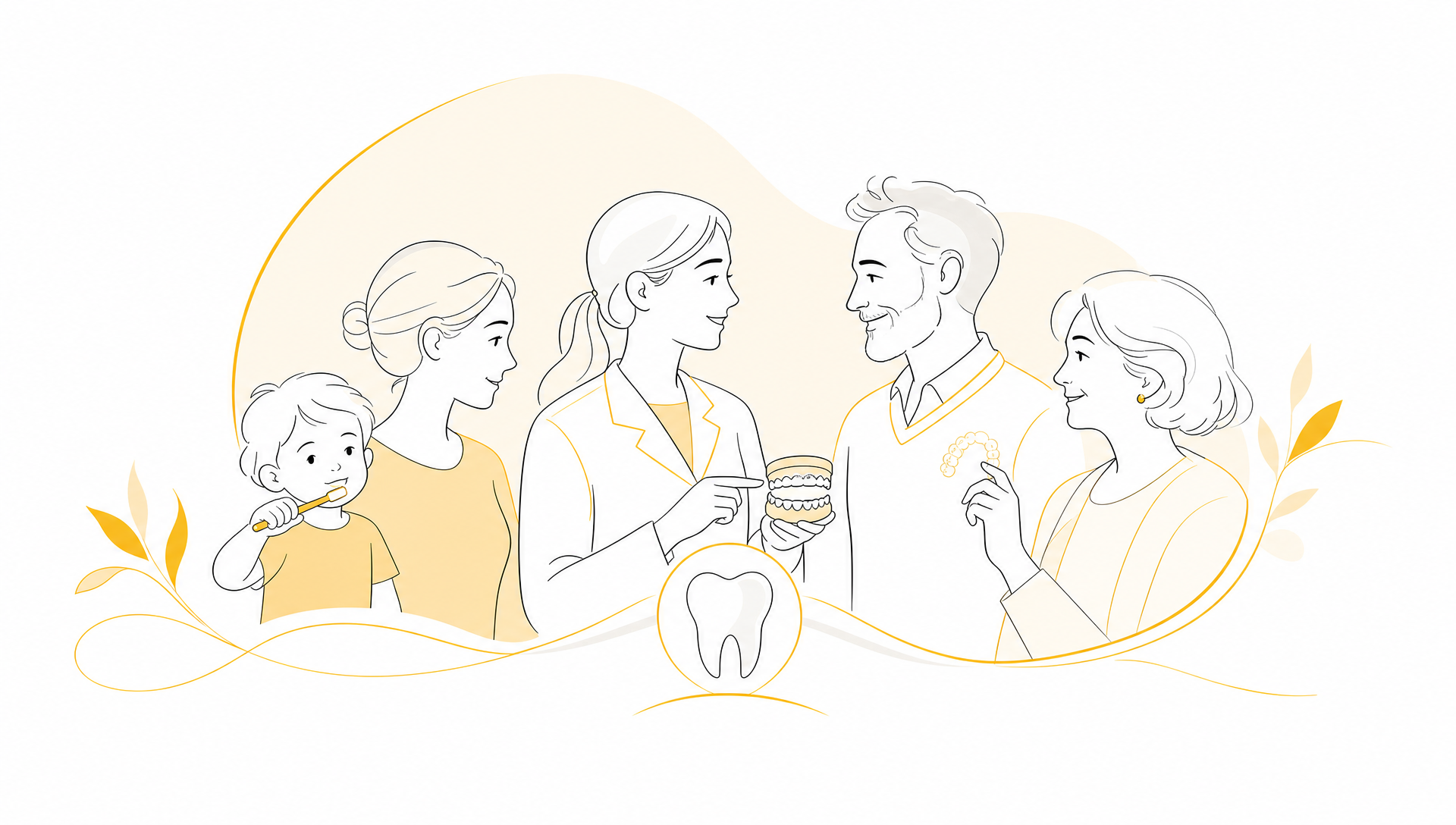
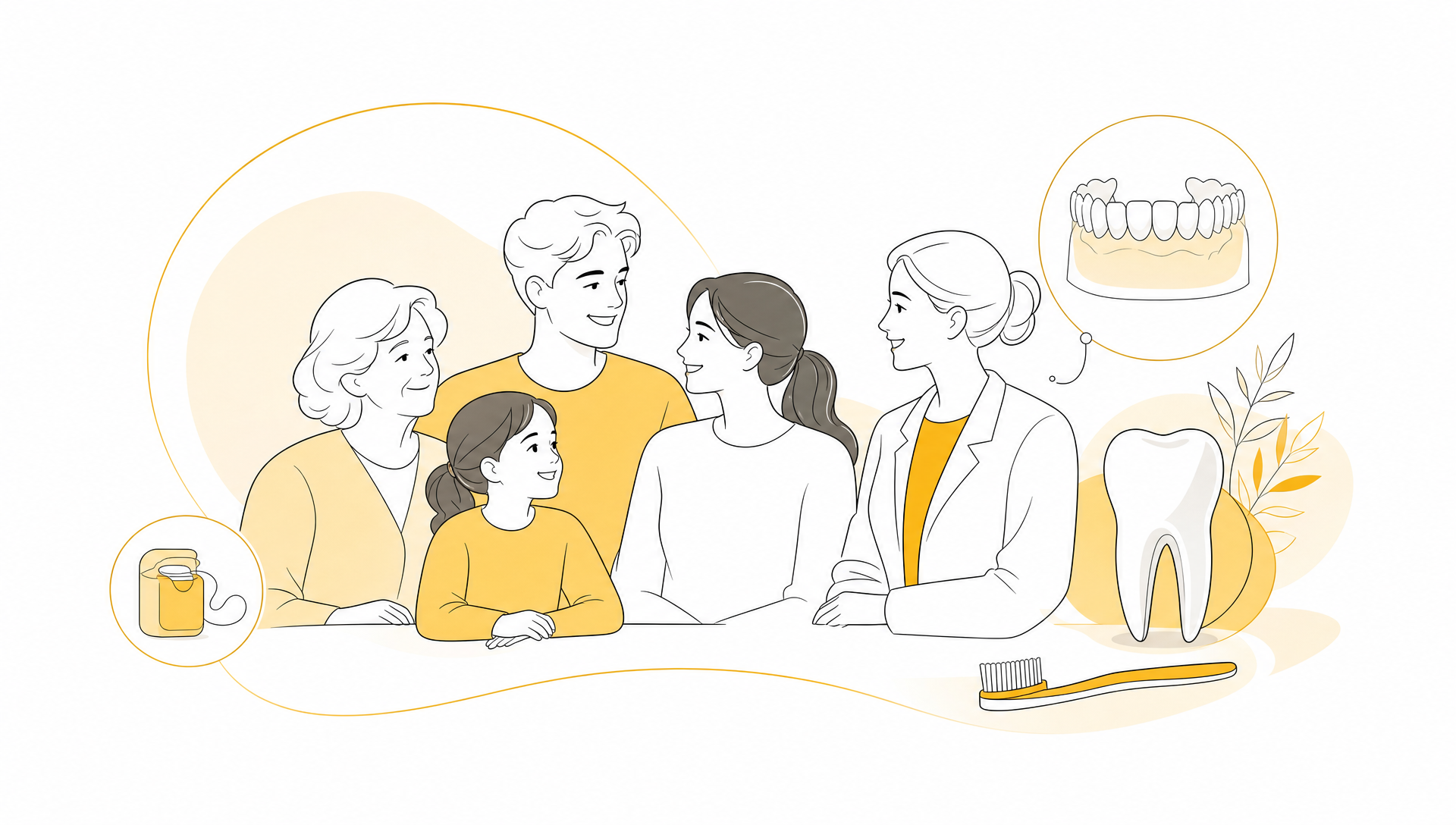
Family dental care is about more than booking everyone in for a check-up at the same clinic. At its best, it creates a consistent, age-appropriate approach to oral health, so children build good habits early, teenagers receive guidance through rapid changes, adults stay ahead of preventable problems, and older family members can maintain comfort, function and confidence.
For busy households, having one trusted dental team can also make life simpler. Records are easier to manage, appointments can often be coordinated, and your dentist can understand family patterns such as tooth decay risk, gum health concerns, orthodontic needs or dental anxiety. Over time, that familiarity helps turn dental visits from a stressful task into a normal part of looking after your health.
What does family dental care include?
Family dental care brings together preventive, restorative and cosmetic dental support for people at different life stages. It commonly includes routine check-ups, professional cleans, fluoride advice, fillings, children’s dentistry, emergency treatment, gum care, mouthguards, teeth whitening, Invisalign consultations, dental implants and support for more complex smile restoration.
The key difference is continuity. Instead of treating each appointment as a one-off problem, a family dentist looks at the bigger picture. Are children brushing well enough? Is a teenager’s bite changing? Is an adult grinding their teeth at night? Is an older parent struggling to chew comfortably? These questions help guide care before small issues become larger and more expensive.
The Australian Dental Association’s oral health information site highlights the importance of prevention and regular dental advice throughout life. That principle sits at the heart of good family dental care, because the right guidance changes as we age.
Why oral health needs change with age
Your teeth, gums and jaw do not stay the same forever. A toddler’s needs are very different from a retiree’s, and a teenager’s oral health risks are not the same as those of a busy parent.
A family dental team can help identify the most important priorities at each stage:
| Life stage | Why dental care matters | Common areas of focus |
|---|---|---|
| Babies and toddlers | Early habits influence future oral health | First dental visits, brushing support, diet advice, thumb sucking guidance |
| Children | Baby teeth guide speech, chewing and adult tooth development | Check-ups, cleans, fissure sealants, mouthguards, decay prevention |
| Teenagers | Growth, diet, sport and orthodontic changes can affect teeth | Invisalign or orthodontic advice, wisdom tooth monitoring, sports mouthguards |
| Adults | Prevention helps avoid complex treatment later | Gum health, fillings, whitening, grinding, emergency care |
| Older adults | Comfort, chewing ability and tooth replacement become more important | Dental implants, dentures, gum care, dry mouth management, restoration planning |
This is why family dental care works best when it is proactive rather than reactive. A dentist who sees your family regularly can spot changes, explain them clearly and recommend care that suits your age, lifestyle and goals.
Family dental care for babies and young children
Early dental visits help children become comfortable with the dental environment before there is a problem. They also give parents practical advice on brushing, toothpaste, snacks, bottles, dummies and early tooth development.
Baby teeth matter. Although they eventually fall out, they help children chew, speak and hold space for adult teeth. Tooth decay in baby teeth can cause pain, infection and difficulty eating. It can also make future dental visits more stressful if a child’s first experience is an emergency.
A gentle family dentist can make appointments feel positive by explaining tools in child-friendly language, moving at the child’s pace and celebrating small wins. For parents, these visits are a chance to ask simple but important questions, such as how much toothpaste to use, when to start flossing, or how to manage a child who dislikes brushing.
Dental care for school-age children
As children grow, dental care becomes more focused on prevention and independence. Children start brushing more of their own teeth, but they still need supervision and encouragement. A family dentist can assess whether plaque is being missed and show children better brushing techniques in a way that feels supportive rather than critical.
School-age children may also benefit from preventive treatments such as fissure sealants, which can help protect the grooves of back teeth from decay. If a child plays contact sport, a custom mouthguard may be recommended to reduce the risk of dental injuries.
This is also the stage when jaw growth, crowding and bite issues may become more visible. Not every child needs orthodontic treatment, but early monitoring gives families time to understand their options before problems become more complex.
Supporting teenagers through major dental changes
Teenagers often face a combination of oral health risks. They may have busy schedules, sports commitments, changing diets, orthodontic concerns and more independence over brushing and food choices. Sugary drinks, frequent snacking and inconsistent oral hygiene can increase the risk of tooth decay and gum inflammation.
This is also when many families start asking about teeth straightening options, including Invisalign aligners where suitable. A dental assessment can help determine whether clear aligners, referral for orthodontic care, or simple monitoring is the right path.
Wisdom teeth may also begin developing in the late teenage years or early adulthood. Regular dental check-ups can help monitor their position and identify potential issues early, especially if there is pain, swelling, crowding or repeated gum irritation at the back of the mouth.
Adult dental care: prevention, confidence and long-term planning
For adults, family dental care often centres on balancing prevention with lifestyle needs. Many adults delay dental visits until something hurts, but regular check-ups can help detect decay, gum disease, cracks, worn fillings and signs of grinding before they become urgent.
Gum health is particularly important. Gum disease can develop slowly and may not cause obvious pain in the early stages. Signs such as bleeding gums, persistent bad breath, gum recession or loose teeth should be assessed by a dentist. Professional cleaning and personalised home care advice can make a significant difference.
Adults may also want to improve the appearance of their smile. Cosmetic dentistry can include options such as teeth whitening, veneers or clear aligner treatment, depending on the person’s oral health and goals. A good family dentist will first check that the foundations are healthy, because cosmetic treatment works best when teeth and gums are stable.
Dental care for parents and carers
Parents and carers often prioritise everyone else’s health before their own. Family dental care makes it easier to stay on track because visits can become part of the household routine rather than a separate task that keeps getting postponed.
It also helps children learn by example. When children see adults attending dental appointments, brushing consistently and speaking positively about dental care, they are more likely to view oral health as normal and important.
If dental anxiety runs in the family, a familiar team can be especially helpful. Clear communication, calm explanations and predictable appointments can reduce fear over time. This matters for both adults and children, because avoiding the dentist due to anxiety can allow small dental issues to become painful emergencies.
Older adults and healthy smiles later in life
A healthy smile remains important at every age. Older adults may face additional challenges such as gum recession, dry mouth, worn teeth, missing teeth, medical conditions or medications that affect oral health. These issues can influence eating, speech, comfort and confidence.
Tooth replacement may also become part of the conversation. Dental implants, implant-supported solutions and full smile restoration options can help suitable patients restore function and appearance. Not every option is right for every person, so a thorough assessment is essential.
Regular dental care for older adults is not only about teeth. Dentists can also check soft tissues, assess denture fit, review oral hygiene challenges and help manage discomfort. For families supporting ageing parents, having a trusted local dentist can make it easier to coordinate care and make informed decisions.
The preventive power of seeing one family dentist
One of the biggest advantages of family dental care is that your dentist gets to know your history. They can identify patterns that may not be obvious in a single appointment. For example, if several family members have a high decay risk, the dentist may focus more closely on diet, fluoride exposure, brushing technique and review intervals.
A consistent dental team can also help families make decisions with less confusion. If a child needs a filling, a teenager is considering aligners, and a parent wants whitening, the same clinic can explain priorities and timing clearly. That matters, because not every treatment needs to happen immediately, and some concerns are best addressed in a particular order.
Preventive care usually includes:
- Regular dental check-ups based on individual risk
- Professional cleans to remove plaque and tartar
- Brushing and flossing advice tailored to age and ability
- Dietary guidance to reduce decay risk
- Monitoring of jaw growth, tooth wear, gum health and existing dental work
The aim is simple: keep teeth healthier for longer and reduce the chance of unexpected pain, infection or complex treatment.
When family dental care becomes urgent
Even with excellent prevention, emergencies can happen. Children may chip a tooth at school, teenagers can suffer sports injuries, adults may crack a tooth on hard food, and older family members can develop sudden denture or implant-related discomfort.
Common reasons to seek emergency dental care include severe toothache, facial swelling, a knocked-out adult tooth, uncontrolled bleeding, a broken tooth, dental trauma, or signs of infection. If you are unsure whether something is urgent, it is always better to contact a dental clinic promptly for advice.
For knocked-out adult teeth, time matters. The ADA provides emergency guidance through its patient education resources, and a dentist should be contacted as soon as possible. Baby teeth are managed differently from adult teeth, so professional advice is important.
How to choose the right family dentist in Geelong
Choosing a family dentist is partly about clinical services and partly about trust. You want a team that can care for different ages, explain treatment clearly and help your family feel comfortable asking questions.
When comparing clinics, consider whether they offer the services your household may need now and in the future. General dentistry, children’s dentistry, emergency care, cosmetic dentistry, Invisalign, root canal treatment, teeth whitening, dental implants and All-on-4 implant options can all be relevant at different life stages.
Clear communication is just as important. A good dental team should explain what they find, why treatment may or may not be needed, what alternatives exist, and what costs or payment options may apply before care begins. Flexible payment options and online booking can also make it easier for families to keep appointments manageable.
If you are looking for a local team that provides care for children, adults and older patients, Geelong Dental Centre offers general, cosmetic and implant dentistry in Geelong with online appointment booking available.
Simple habits that help every family member protect their smile
Dental visits are important, but the biggest gains often come from daily routines at home. The basics are simple, but consistency is what makes them powerful.
Brush twice a day with fluoride toothpaste, clean between teeth where possible, drink plenty of water and keep sugary snacks and drinks to occasional treats rather than frequent habits. For children, supervision is usually needed until they have the coordination to brush well on their own. For adults, small changes such as switching to a softer toothbrush or using interdental brushes can make home care more effective.
It is also worth paying attention to changes. Tooth sensitivity, bleeding gums, bad breath, jaw pain, loose teeth, mouth ulcers that do not heal, or changes in the way teeth bite together should not be ignored. Early advice often means simpler treatment.
Frequently Asked Questions
What is family dental care? Family dental care is dental support for patients of different ages, usually covering prevention, check-ups, children’s dentistry, restorative treatment, emergency care and advice tailored to each stage of life.
How often should my family visit the dentist? Many people benefit from regular check-ups, but the right timing depends on individual risk factors such as decay history, gum health, age, medical conditions and existing dental work. Your dentist can recommend a schedule that suits each family member.
When should a child first see a dentist? Many dental organisations recommend early dental visits when the first teeth appear or around the first birthday. Early visits help children become familiar with the dentist and give parents practical prevention advice.
Can one dentist look after children, adults and grandparents? Yes, many family dental clinics provide care across generations. Some complex needs may require referral or additional planning, but a family dentist can often coordinate preventive care, routine treatment and long-term oral health advice.
Is family dental care only for check-ups? No. It can include emergency dental care, fillings, gum care, root canal treatment, teeth whitening, Invisalign assessments, dental implants and broader smile restoration planning, depending on the clinic and the patient’s needs.
Keep every smile in your family on track
Healthy smiles are built over time. With the right family dental care, each generation can receive guidance that matches their age, habits, concerns and goals.
If your family is due for a check-up, needs help with a dental concern, or wants clear advice about treatment options, you can book with Geelong Dental Centre and speak with a local team that cares for patients at every stage of life.
Disclaimer
The information provided on this website is for general informational and educational purposes only. It is not intended to replace professional dental advice, diagnosis or treatment. Dental needs and treatment outcomes vary between individuals. Always seek advice from a qualified dental practitioner regarding your specific circumstances before making decisions about your oral health or treatment. A consultation and clinical assessment are required to determine which treatment options may be suitable for you. All dental procedures carry potential risks and benefits, which will be discussed with you before treatment.